

What is the Pneumatic Conveying of Barite Powder? What are the Design Principles?
Barite powder, a key industrial material widely used in drilling fluids, paint, and other applications, often requires efficient handling and transportation. Pneumatic conveying is a common method for moving such powders, offering advantages like reduced dust, improved safety, and flexibility in system layout. This article explores the fundamentals of pneumatic conveying for barite powder and the key design principles that ensure effective operation.
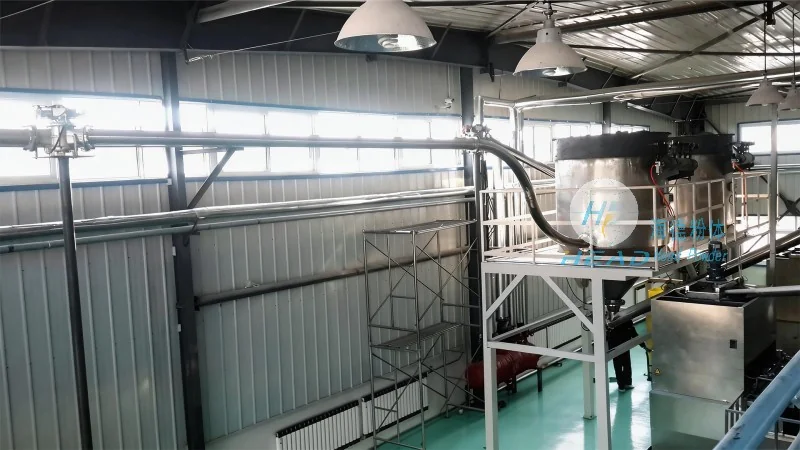
Key Components of a Pneumatic Conveying System
A typical pneumatic conveying system for barite powder consists of several core components. These include a material feed hopper, a conveyor line (usually made of stainless steel or other corrosion-resistant materials to handle the powder's properties), a blower or compressor to generate the air flow, and a dust collection system. The feed hopper ensures a consistent supply of barite powder, while the conveyor line transports the material through the system. The blower provides the necessary pressure or vacuum to move the powder, and the dust collection system captures any particles that might escape, maintaining air quality and compliance with environmental regulations.
Design Principles for Efficient Barite Powder Conveying
Several critical design principles must be considered to ensure the efficient and reliable operation of a barite powder pneumatic conveying system. First, the air velocity must be carefully controlled to prevent particle segregation and ensure smooth flow. The velocity is typically maintained above the minimum fluidization velocity of the barite powder to keep particles suspended in the air stream. Second, the system's pressure drop must be minimized to reduce energy consumption and prevent excessive wear on components. This involves selecting appropriate pipe diameters, using smooth surfaces, and avoiding sharp bends or restrictions. Third, the system's layout should be designed to minimize the number of bends and changes in direction, as these can cause particle accumulation and blockages. Properly sized and positioned expansion joints and filters are also essential to maintain system integrity.
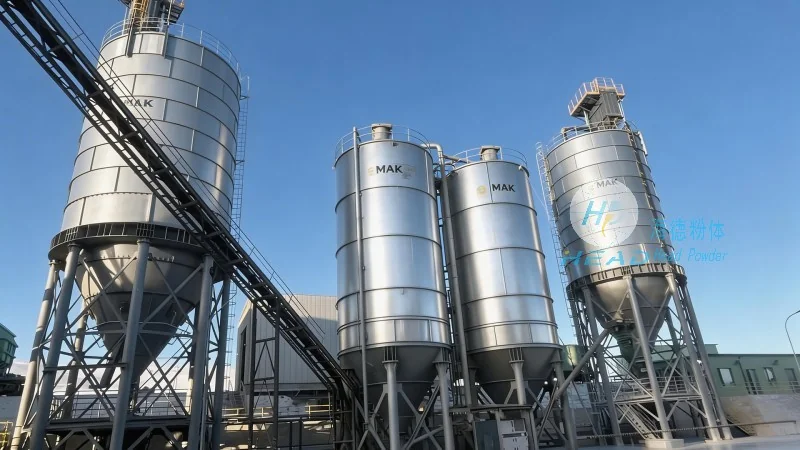
Material Properties and Their Impact on Design
The physical and chemical properties of barite powder significantly influence the design of a pneumatic conveying system. Barite has a high density and relatively fine particle size, which can affect the air velocity required for effective conveying. For example, finer particles may require higher air velocities to remain suspended, while larger particles might need lower velocities to avoid excessive wear on the conveyor line. Additionally, barite's tendency to agglomerate or stick to surfaces can impact the feed mechanism and the need for anti-sticking coatings or additives. Engineers must consider these properties when selecting materials for the system components, such as the hopper and conveyor line, to ensure durability and prevent material buildup.
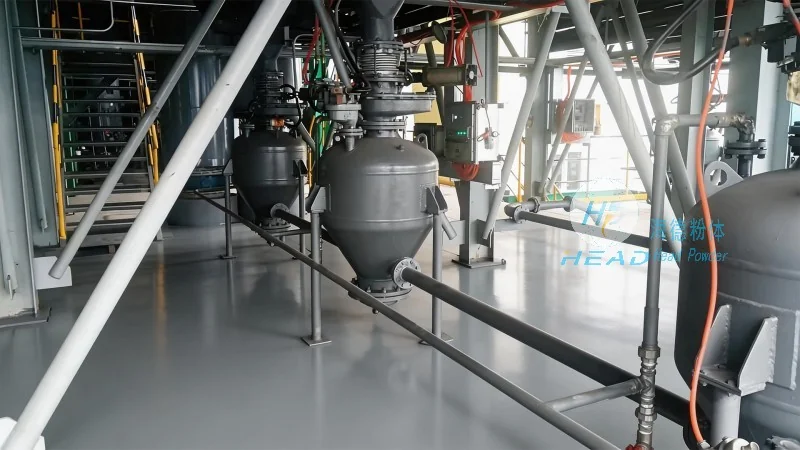
Energy Efficiency and System Optimization
Energy efficiency is a crucial consideration in the design of pneumatic conveying systems for barite powder. High energy consumption can increase operational costs and reduce the overall profitability of the system. To optimize energy use, engineers may employ variable frequency drives (VFDs) to adjust the blower speed based on the material flow rate. This allows the system to operate at the most efficient speed, reducing energy waste. Additionally, using larger diameter pipes and minimizing the number of components can reduce pressure drop and energy requirements. Regular maintenance, such as cleaning filters and checking for leaks, is also essential to maintain system efficiency and prevent energy losses.
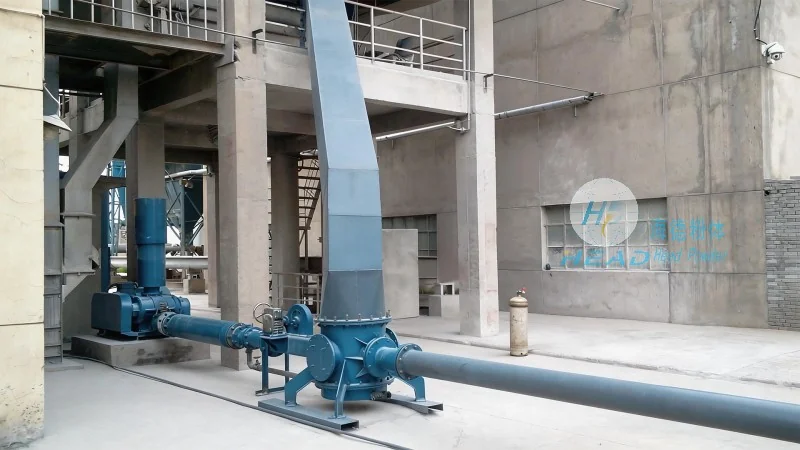
Safety and Environmental Considerations
Safety and environmental compliance are paramount in the operation of pneumatic conveying systems for barite powder. The fine particles can pose respiratory hazards if not properly contained, so the system must include effective dust collection and filtration. The blower and other moving parts should be enclosed to prevent accidental contact and to contain dust. Additionally, the system should be designed to handle any potential blockages or overloads, with safety valves and emergency shut-off mechanisms in place. Environmental regulations may require the system to be equipped with scrubbers or other air treatment devices to reduce emissions and ensure compliance with local and national standards.
Company Profile: Shandong HeadPowder Engineering Co., Ltd.
Shandong HeadPowder Engineering Co., Ltd., commonly known as HeadPowder, is a leading provider of pneumatic conveying solutions for industrial powders, including barite. With a strong focus on engineering excellence and customer satisfaction, HeadPowder designs and manufactures customized systems tailored to the specific needs of its clients. The company's expertise in material handling and process engineering ensures that its systems are efficient, reliable, and compliant with industry standards. HeadPowder's commitment to quality and innovation has made it a trusted partner for businesses in the drilling, paint, and other industries that rely on the safe and effective transportation of barite powder.