

What is Low-Pressure Powder Pneumatic Conveying? And What Are Its Design Principles?
Low-pressure powder pneumatic conveying is a specialized method used to transport dry powders and granular materials through a pipeline using air as the conveying medium. This technology is widely adopted in various industries, including pharmaceuticals, food processing, chemical manufacturing, and bulk material handling, due to its ability to handle sensitive materials without degradation or contamination. The system operates by creating a slight negative pressure within the pipeline, which draws the material from the source and transports it to the destination. This approach is particularly advantageous for materials that are prone to caking, agglomeration, or are sensitive to moisture, as it minimizes direct contact with equipment and reduces the risk of material degradation.
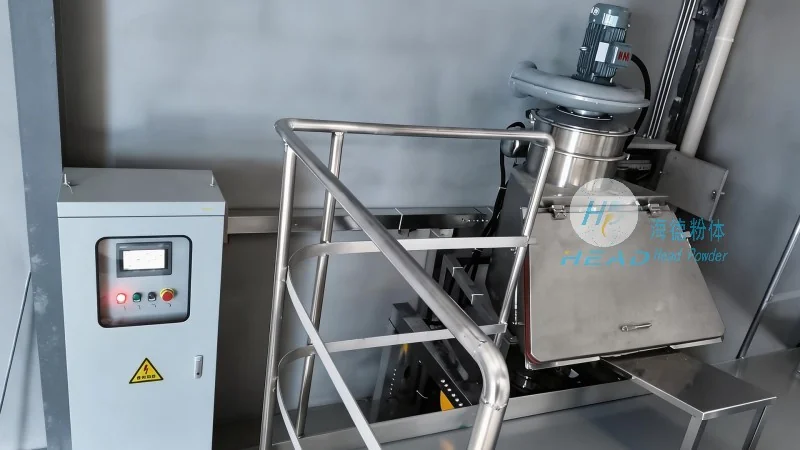
The Core Design Principles of Low-Pressure Powder Pneumatic Conveying Systems
The design of a low-pressure powder pneumatic conveying system involves several critical components and principles that ensure efficient and reliable material transport. The primary components include a material feeder, a blower or fan to generate the conveying air, a pipeline network, and a receiver or discharge device. The material feeder is responsible for accurately metering the powder into the system, while the blower provides the necessary air flow to create the pressure differential. The pipeline design is crucial, as it must be sized appropriately to handle the material's flow characteristics and prevent blockages or pressure losses. The receiver, typically a hopper or silo, collects the conveyed material and may include features such as level indicators or discharge valves for further processing. The entire system is designed to maintain a consistent air flow and pressure, ensuring that the material is transported smoothly without excessive wear or energy consumption.
Key Factors Influencing Low-Pressure Powder Pneumatic Conveying Performance
Several key factors impact the performance of low-pressure powder pneumatic conveying systems. The first is the material's physical properties, such as particle size, density, and moisture content. These characteristics determine the required air velocity and pressure to achieve effective transport. For example, fine powders with high moisture content may require higher air velocities to prevent clogging, while larger, denser particles may need lower velocities to avoid excessive wear on the pipeline. Another critical factor is the system's pressure drop, which is the difference in pressure between the inlet and outlet of the pipeline. Proper design of the pipeline and components minimizes pressure drop, ensuring that the blower can operate efficiently without excessive energy consumption. Additionally, the system's capacity, which refers to the amount of material that can be transported per unit time, is influenced by the feeder design and the blower's air flow rate. Proper sizing of these components is essential to meet the operational requirements of the application.
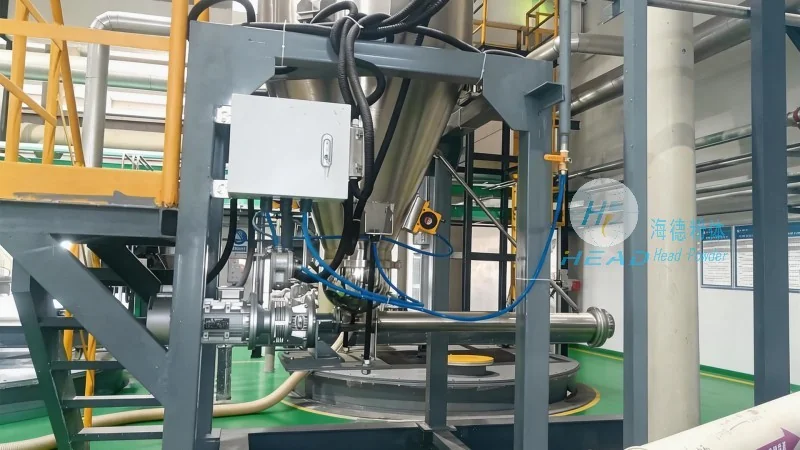
Applications of Low-Pressure Powder Pneumatic Conveying in Industrial Settings
Low-pressure powder pneumatic conveying is utilized in a wide range of industrial applications where the transport of dry powders is essential. In the pharmaceutical industry, for example, this technology is used to handle active pharmaceutical ingredients (APIs) and excipients, ensuring that the materials are transported without contamination or degradation. The system's ability to maintain a sterile environment and prevent cross-contamination makes it ideal for pharmaceutical manufacturing. In the food processing industry, low-pressure conveying is used to transport ingredients such as flour, sugar, and spices, while preserving their quality and preventing moisture absorption. The system's gentle handling reduces the risk of material degradation, which is critical for maintaining product quality. In chemical manufacturing, low-pressure conveying is employed to transport bulk chemicals, such as powders and granules, from storage to processing units. The system's ability to handle corrosive or hazardous materials makes it suitable for these applications, as it minimizes direct contact with equipment and reduces the risk of spills or leaks.
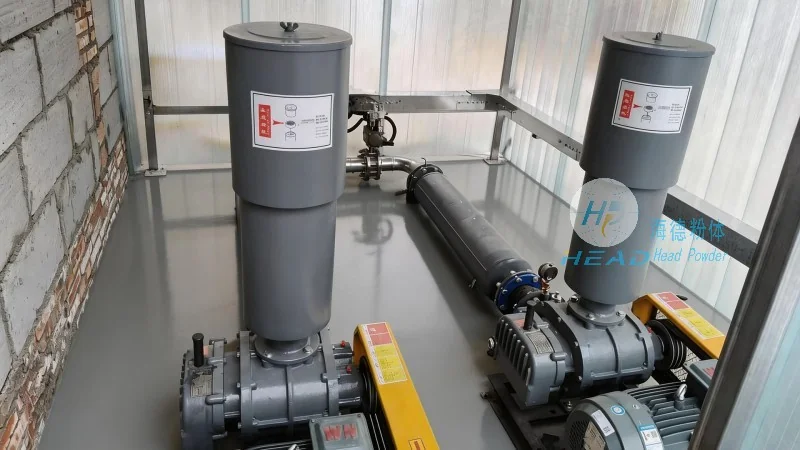
Advantages of Low-Pressure Powder Pneumatic Conveying Over Other Conveying Methods
Compared to other material handling methods, such as belt conveyors or screw conveyors, low-pressure powder pneumatic conveying offers several advantages. One of the primary benefits is the ability to handle materials that are difficult to transport using mechanical methods. For example, materials that are prone to caking or agglomeration can be effectively transported using low-pressure pneumatic systems, as the air flow prevents the material from sticking together. Another advantage is the system's flexibility, as it can be easily integrated into existing facilities and adapted to changing production requirements. The system can be expanded or modified to accommodate increased material volumes or different material types without significant modifications. Additionally, low-pressure conveying systems are generally more energy-efficient than other methods, as they require less power to operate. The use of air as the conveying medium reduces the need for moving parts, which minimizes maintenance and operational costs. Finally, the system's ability to handle materials in a closed environment reduces the risk of dust emissions and environmental contamination, making it a more environmentally friendly option.
Design Considerations for Low-Pressure Powder Pneumatic Conveying Systems
When designing a low-pressure powder pneumatic conveying system, several factors must be considered to ensure optimal performance and reliability. The first is the selection of the appropriate blower or fan. The blower must be capable of providing the required air flow and pressure to transport the material, while operating efficiently to minimize energy consumption. The choice of blower type, such as a centrifugal or positive displacement blower, depends on the material's properties and the system's requirements. Another critical design consideration is the pipeline layout. The pipeline must be sized appropriately to handle the material's flow characteristics and prevent pressure losses or blockages. The use of appropriate fittings, such as elbows and tees, is essential to maintain the air flow and prevent turbulence or pressure drops. The receiver design is also important, as it must be able to collect the conveyed material without causing material degradation or spillage. The receiver may include features such as level indicators or discharge valves to control the material flow. Additionally, the system must be equipped with safety features, such as pressure relief valves and dust collection systems, to prevent accidents and ensure compliance with safety regulations.