

What is a Continuous Material Feeding Pneumatic Conveying System? What Are Its Design Principles?
Continuous material feeding pneumatic conveying systems represent a sophisticated method for transporting bulk materials through a pipeline using air or other gas as the conveying medium. This technology is widely used in various industrial sectors, including pharmaceuticals, food processing, and chemical manufacturing, where precise and efficient material handling is critical. The system operates by introducing material into a hopper or feeder, which then feeds the material into a pipeline where it is carried by a stream of air. The design of such systems is crucial for ensuring optimal performance, reliability, and safety in material transport operations.
Understanding the Core Components of a Continuous Material Feeding Pneumatic Conveying System
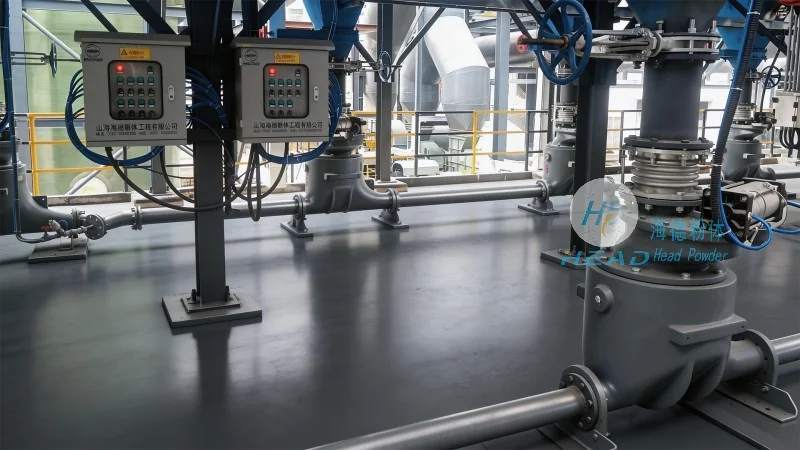
A typical continuous material feeding pneumatic conveying system consists of several key components that work in tandem to achieve efficient material transport. The primary components include a hopper or feeder, a conveying pipeline, a blower or air compressor, and a receiver or discharge unit. The hopper is responsible for storing and feeding the bulk material into the system at a consistent rate, ensuring a continuous flow. The feeder, often a screw or rotary valve, regulates the material feed rate to match the system's capacity and demand. The conveying pipeline, usually made of metal or plastic, transports the material and air mixture from the feeder to the discharge point. The blower or air compressor provides the necessary pressure and airflow to move the material through the pipeline. Finally, the receiver or discharge unit collects the material from the pipeline and discharges it into the final destination, such as a storage silo or processing equipment.
The Design Principles Behind Continuous Material Feeding Pneumatic Conveying Systems
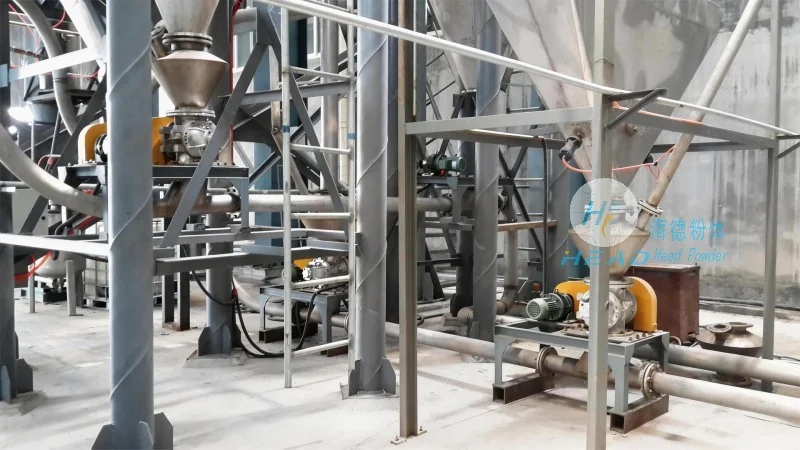
The design of a continuous material feeding pneumatic conveying system is based on several fundamental principles that ensure efficient and reliable operation. The first principle is the balance between the material feed rate and the air flow rate. The system must be designed to maintain a consistent material flow without causing blockages or excessive pressure drops. This balance is achieved by carefully selecting the size of the hopper, feeder, and pipeline, as well as the capacity of the blower. The second principle is the consideration of material properties, such as particle size, density, and moisture content. Different materials have varying conveying characteristics, and the system design must account for these properties to ensure effective transport. For example, fine powders may require higher air velocities to prevent clogging, while larger particles may need a higher pressure to move through the pipeline. The third principle is the prevention of material degradation or contamination. The system is designed to minimize friction and impact on the material, which can cause degradation or contamination. This is achieved by using smooth pipeline surfaces and appropriate blower types that do not generate excessive heat or vibration. Additionally, the system may include filters or separators to remove air contaminants and prevent them from entering the material stream.
Key Advantages of Continuous Material Feeding Pneumatic Conveying Systems
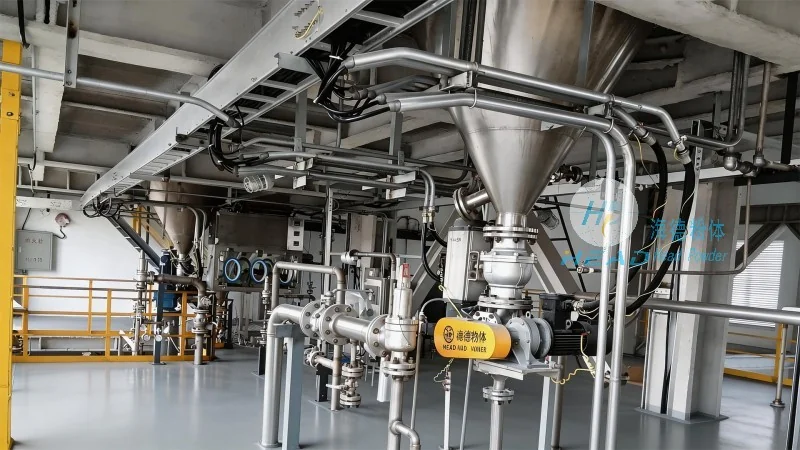
Continuous material feeding pneumatic conveying systems offer several advantages over traditional material handling methods, such as belt conveyors or bucket elevators. One of the main advantages is the ability to transport materials over long distances with minimal maintenance. The system is enclosed, which reduces dust emissions and improves safety in the workplace. Additionally, the system can handle a wide range of materials, from fine powders to bulk solids, with high efficiency and low energy consumption. The continuous feeding mechanism ensures a steady flow of material, which reduces downtime and increases productivity. Another advantage is the flexibility of the system, as it can be easily integrated with other processing equipment, such as mixers or classifiers. The system can also be designed to handle varying material feed rates, allowing for adjustments based on production demands. Furthermore, the system is relatively compact and can be installed in tight spaces, making it suitable for facilities with limited floor space.
Applications and Industries Utilizing Continuous Material Feeding Pneumatic Conveying Systems
Continuous material feeding pneumatic conveying systems are widely used in various industries due to their versatility and efficiency. In the pharmaceutical industry, the system is used to transport raw materials and finished products, ensuring a clean and sterile environment. The enclosed design and low dust generation make it suitable for handling sensitive materials. In the food processing industry, the system is used to transport ingredients, such as flour, sugar, and spices, with minimal contamination. The system's ability to handle fine powders and maintain product quality is crucial in this industry. In the chemical manufacturing industry, the system is used to transport raw materials and intermediates, often in hazardous environments. The system's ability to handle corrosive materials and prevent leaks is essential for safety and compliance. Additionally, the system is used in the mining and minerals industry to transport bulk materials, such as coal and ore, from mines to processing facilities. The system's high capacity and long-distance transport capabilities make it ideal for this industry.
Conclusion and Company Overview
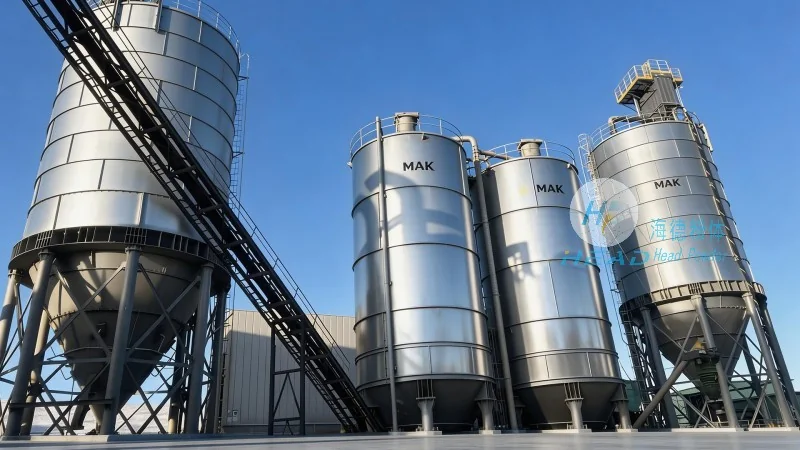
Continuous material feeding pneumatic conveying systems are an essential technology for efficient and reliable material handling in various industrial applications. The design principles and components of such systems are carefully engineered to ensure optimal performance, safety, and efficiency. The system's ability to handle a wide range of materials and operate continuously makes it a preferred choice for many industries. As a leading provider of material handling solutions, Shandong HeadPowder Engineering Co., Ltd. specializes in designing and manufacturing high-quality pneumatic conveying systems tailored to the specific needs of its clients. With a focus on innovation and customer satisfaction, the company has established itself as a trusted partner in the industry, providing reliable and efficient solutions for material transport challenges. The company's commitment to quality and customer service ensures that its clients receive systems that meet their exact requirements and operate with minimal downtime. Whether for pharmaceutical, food, chemical, or mining applications, Shandong HeadPowder Engineering Co., Ltd. offers comprehensive solutions that enhance productivity and safety in material handling operations.