

What is a mixing and batching bulk material pneumatic conveying system? What are its design principl
For industrial applications requiring precise control over the handling and mixing of bulk materials, a specialized system known as a mixing and batching bulk material pneumatic conveying system is often employed. This technology facilitates the efficient transport of dry powders and granules from storage to processing equipment, while simultaneously ensuring uniform mixing and accurate batching. Understanding the core components and design principles of such a system is crucial for optimizing operational efficiency and product quality in various industries, including pharmaceuticals, food processing, and chemical manufacturing.
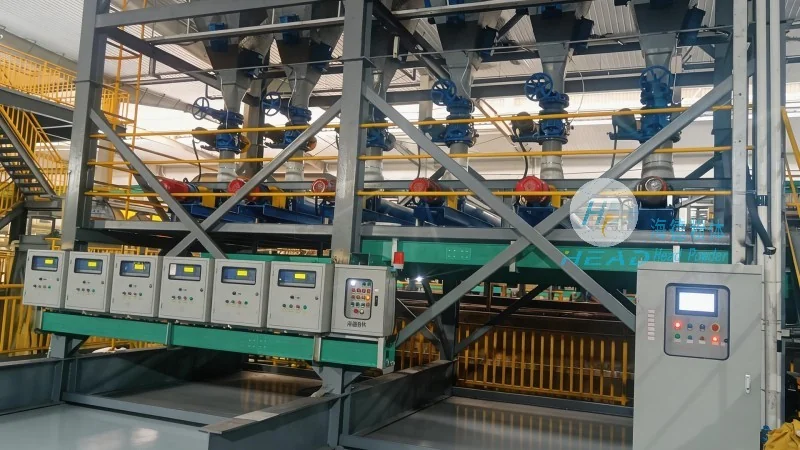
Understanding the Core Functionality of Mixing and Batching Pneumatic Conveying Systems
A mixing and batching bulk material pneumatic conveying system is designed to handle the transport, mixing, and batching of bulk materials using air as the primary conveying medium. Unlike traditional mechanical conveyors, which rely on mechanical components like belts or screws, pneumatic systems utilize pressurized or vacuum air to move materials through a network of pipes and ducts. This approach offers several advantages, including the ability to handle materials that are difficult to convey mechanically, such as fine powders or abrasive granules, and to maintain a closed system that prevents contamination and dust emissions.
Key Components and Their Roles in the System
The effectiveness of a mixing and batching pneumatic conveying system depends on several critical components, each playing a specific role in the overall operation. These components typically include a material feeder, which controls the flow rate of the bulk material into the system; a conveying line, which transports the material from the feeder to the mixing or batching unit; a mixing chamber or blender, which ensures uniform mixing of different material streams; and a batching control system, which regulates the quantity of material delivered to the final processing stage. Additionally, the system may incorporate a filter or dust collector to capture any airborne particles and a pressure regulator to maintain consistent air pressure throughout the conveying process.
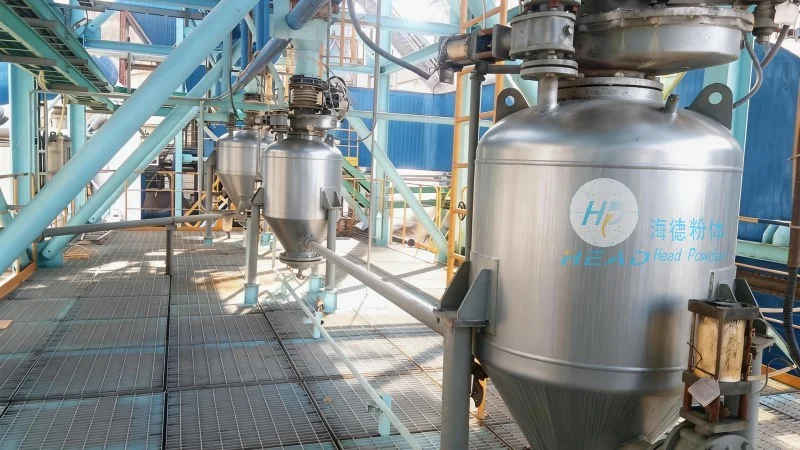
Design Principles for Optimal Performance
The design of a mixing and batching bulk material pneumatic conveying system follows several key principles aimed at maximizing efficiency, reliability, and product quality. One of the primary design considerations is the selection of the appropriate conveying method, which can be categorized as pressure or vacuum systems. Pressure systems use compressed air to push material through the system, while vacuum systems use a vacuum to pull material from the source. The choice between these methods depends on factors such as the material's characteristics, the distance to be conveyed, and the required flow rate. Another critical design principle is the sizing of the conveying line and components, which must be matched to the material's properties to prevent blockages or excessive pressure drops. For example, the diameter of the pipe and the length of the conveying line are carefully calculated to ensure that the material can be transported at the desired velocity without causing clogging or degradation.
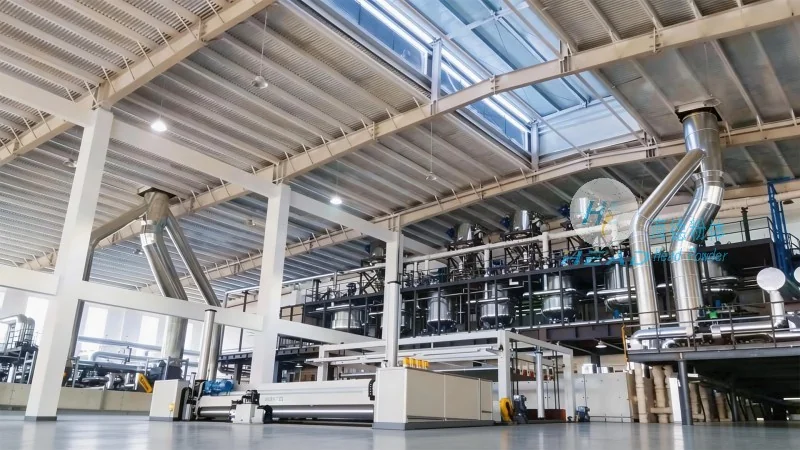
How Mixing and Batching Systems Enhance Industrial Processes
In industrial settings, the integration of a mixing and batching bulk material pneumatic conveying system can significantly improve process efficiency and product consistency. By automating the handling and mixing of raw materials, these systems reduce the need for manual intervention, minimizing the risk of human error and improving overall productivity. The precise control over material flow and batching also ensures that each batch of product meets the required specifications, which is particularly important in industries where product quality is paramount, such as pharmaceuticals or food processing. Furthermore, the closed system design of pneumatic conveying reduces the risk of contamination from external sources, maintaining the integrity of the materials being handled.
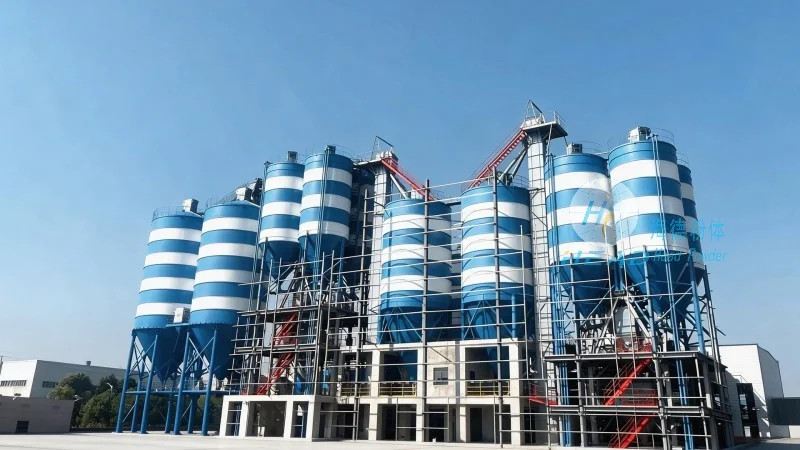
Applications Across Diverse Industries
The versatility of mixing and batching bulk material pneumatic conveying systems makes them suitable for a wide range of industrial applications. In the pharmaceutical industry, these systems are used to transport and mix active pharmaceutical ingredients (APIs) and excipients, ensuring that each batch of medication is uniform and free from contamination. In the food processing industry, they handle ingredients like flour, sugar, and spices, maintaining the quality and safety of the final products. Similarly, in the chemical manufacturing sector, they convey raw materials such as powders and granules, supporting the production of various chemical compounds. The ability to handle different materials with minimal adjustments makes these systems a valuable asset for companies operating in multiple product lines.
Conclusion: The Importance of Proper Design and Implementation
For businesses seeking to optimize their bulk material handling processes, investing in a well-designed mixing and batching bulk material pneumatic conveying system is a strategic decision. The combination of efficient material transport, precise mixing, and accurate batching capabilities offered by these systems can lead to significant improvements in operational efficiency, product quality, and overall cost-effectiveness. By understanding the core components and design principles of such systems, companies can make informed decisions when selecting or upgrading their material handling infrastructure. As a leading provider of engineering solutions for bulk material handling, Shandong HeadPowder Engineering Co., Ltd. specializes in designing and manufacturing customized pneumatic conveying systems tailored to the specific needs of their clients, ensuring optimal performance and reliability in diverse industrial applications.