

What is a Ton Bag Material Pneumatic Conveying System? And What Are Its Design Principles?
For industrial operations that require the efficient handling of bulk materials, the ton bag material pneumatic conveying system has emerged as a crucial solution. This technology enables the transport of large quantities of material from storage to processing areas through an air-driven system, offering advantages such as reduced labor costs, minimized contamination, and enhanced safety. Understanding the components and design principles of this system is essential for optimizing material handling processes in various industries.
Introduction to Ton Bag Material Pneumatic Conveying Systems
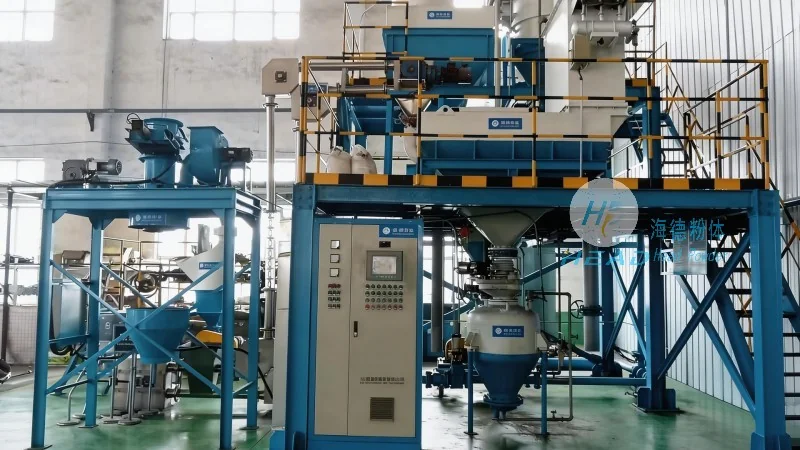
A ton bag material pneumatic conveying system is a specialized equipment setup designed to transport bulk materials from bulk bags (also known as FIBCs or super sacks) into processing or storage facilities. The system typically involves a hopper, a pneumatic conveying line, and a receiver or discharge point. The primary function is to transfer material from the ton bag, which is often used for bulk storage and shipping, into a processing line or storage silo. This method is particularly useful for materials that are difficult to handle manually or with traditional mechanical conveyors, such as powders, granules, and fine particles.
Key Components of the System
The ton bag material pneumatic conveying system consists of several critical components that work together to ensure efficient material transfer. The main components include:
1. Ton Bag Discharge Unit: This component is responsible for opening the ton bag and allowing the material to flow into the system. It may include a valve or a hopper that connects to the bag's opening, ensuring a controlled release of material. The discharge unit is designed to handle the bulk of the material from the bag without causing spillage or contamination.
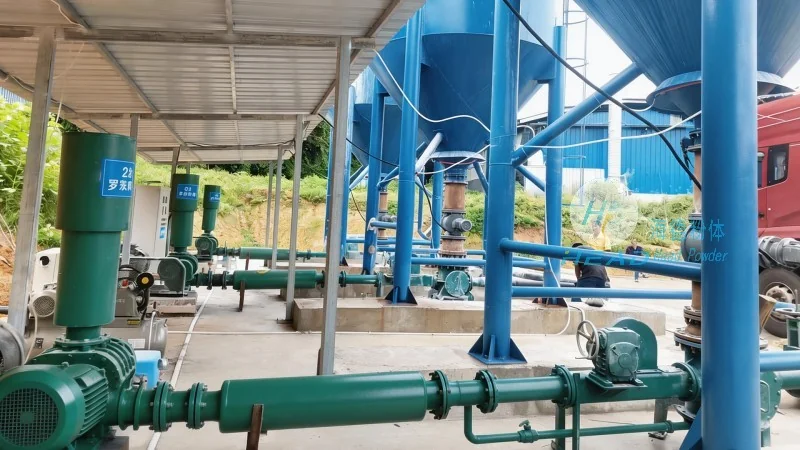
2. Pneumatic Conveying Line: The core of the system, the pneumatic line uses compressed air to move the material through a pipeline. This line can be either positive pressure or negative pressure, depending on the system design. Positive pressure systems blow air into the line to push the material, while negative pressure systems create a vacuum to pull the material. The choice of pressure type depends on the material characteristics, such as dustiness or abrasiveness, and the distance the material needs to travel.
3. Conveying Hopper or Receiver: The receiver is where the material is deposited after being conveyed through the line. It may be a storage silo, a processing hopper, or a transfer point to another system. The receiver is designed to handle the material's flow and prevent backflow or spillage, ensuring a smooth transition to the next stage of the process.
4. Compressor or Vacuum Pump: This component provides the necessary air pressure or vacuum to drive the material through the conveying line. The compressor's capacity and pressure must be matched to the system's requirements, considering the material's density, flow rate, and the length of the conveying line. Proper sizing of the compressor is crucial for maintaining system efficiency and preventing pressure drops that could lead to material blockages.
Design Principles and Considerations
The design of a ton bag material pneumatic conveying system is based on several key principles to ensure optimal performance and reliability. These principles include:
1. Material Characterization: Before designing the system, it is essential to characterize the material being handled. This includes analyzing its particle size distribution, density, flowability, and dustiness. These properties determine the type of conveying system (e.g., dense phase or dilute phase) and the required air velocity and pressure. For example, cohesive or dusty materials may require a dense phase system to minimize particle separation and prevent blockages.
2. System Sizing and Layout: The system layout and components must be sized based on the material's flow rate, the distance to be conveyed, and the elevation change. The conveying line diameter and length are critical factors that affect the system's performance. Proper sizing ensures that the air velocity is sufficient to keep the material in suspension without causing excessive wear on the equipment. The layout should also consider the need for bends, elbows, and other fittings that may affect the pressure drop and material flow.
3. Pressure Drop Management: Managing pressure drop is a critical design consideration to maintain system efficiency. Pressure drop occurs as the material moves through the conveying line due to friction and changes in direction. Excessive pressure drop can lead to reduced flow rates or even system failure. Designers use formulas and empirical data to calculate the expected pressure drop and select components that minimize it, such as using smooth pipe surfaces and avoiding unnecessary bends.
4. Material Handling and Containment: The system must be designed to handle the material safely and prevent contamination. This includes using appropriate materials for the conveying line and components, such as stainless steel or special coatings, to resist corrosion and abrasion. The ton bag discharge unit and receiver must be equipped with dust collection systems to prevent airborne particles from escaping and causing environmental or health issues. Proper sealing and filtration are essential to maintain the material's quality and ensure compliance with regulations.
Applications and Benefits
The ton bag material pneumatic conveying system is widely used in various industries, including food processing, pharmaceuticals, chemicals, and mining. Its applications range from transferring raw materials into production lines to moving finished products to storage facilities. The benefits of this system include:
1. Efficiency and Speed: The system allows for the rapid transfer of large quantities of material, reducing the time required for material handling and increasing overall production throughput.
2. Reduced Labor Costs: By automating the material transfer process, the system minimizes the need for manual labor, which can be costly and prone to errors.
3. Improved Safety: The enclosed system reduces the risk of dust exposure and material spillage, enhancing workplace safety and compliance with occupational health regulations.
4. Minimized Contamination: The system's enclosed design prevents cross-contamination between different materials, ensuring product quality and meeting stringent industry standards.
5. Space Efficiency: The pneumatic conveying system can be installed in tight spaces, making it suitable for facilities with limited room for traditional conveyor systems.
Conclusion
In conclusion, the ton bag material pneumatic conveying system is a highly effective solution for bulk material handling in industrial settings. Its design, based on careful consideration of material properties and system requirements, ensures efficient and reliable operation. Companies like Shandong HeadPowder Engineering Co., Ltd., a leading provider based in China, specialize in designing and manufacturing such systems to meet the diverse needs of various industries. By understanding the components and design principles of this system, businesses can optimize their material handling processes, improve productivity, and enhance safety in their operations.