

What is the Pneumatic Conveying Equipment for Battery Cathode Materials? Exploring Its Design Princi
Understanding the equipment used for transporting battery cathode materials is crucial in the modern battery manufacturing industry. The pneumatic conveying system stands out as an efficient and reliable solution for handling these materials, which are essential components in lithium-ion batteries and other advanced battery technologies. This article delves into the specifics of such equipment, focusing on its design principles and the role it plays in ensuring the smooth operation of battery production lines.
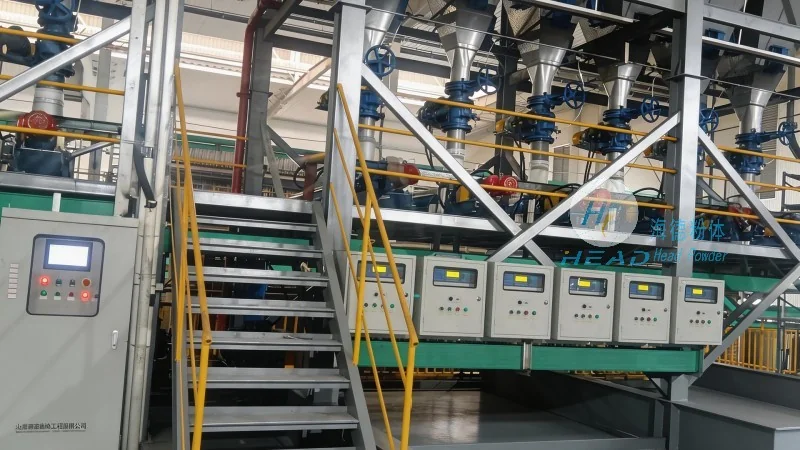
Pneumatic Conveying Equipment: An Overview
Pneumatic conveying equipment is a system that uses compressed air or other gases to transport bulk materials, including powders and granules, from one location to another. In the context of battery manufacturing, this equipment is specifically designed to handle cathode materials, which are typically fine powders composed of active materials like lithium cobalt oxide (LCO), lithium nickel manganese cobalt oxide (NMC), or lithium iron phosphate (LFP). These materials are critical for the performance and energy density of batteries, making their handling and transportation a critical step in the production process.
Key Components of Pneumatic Conveying Systems
The design of a pneumatic conveying system for battery cathode materials involves several key components that work in tandem to ensure efficient material transport. These components include the hopper or feeder, which holds the raw material and controls the flow rate; the conveying line, which can be either a positive pressure or negative pressure system; the air compressor or vacuum pump, which provides the necessary air pressure or suction; and the receiver or discharge point, where the material is deposited. Each component is carefully selected and engineered to handle the specific properties of the cathode material, such as its particle size, moisture content, and flowability.
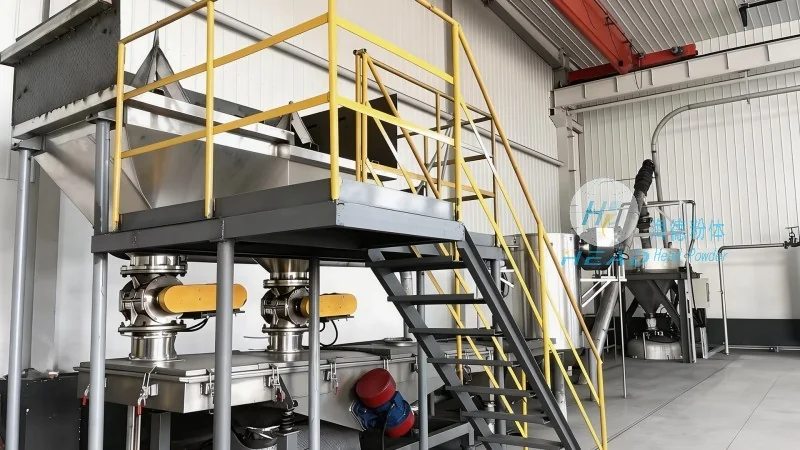
Design Principles for Efficient Material Transport
The design principles of pneumatic conveying equipment for battery cathode materials are centered on maximizing efficiency, minimizing material degradation, and ensuring consistent flow rates. One of the primary design considerations is the selection of the appropriate conveying method, either dense phase or dilute phase. Dense phase conveying uses higher air velocities and lower material velocities to transport material in a compact, plug-like flow, which reduces particle breakage and improves material quality. Dilute phase conveying, on the other hand, uses lower air velocities and higher material velocities, suitable for longer distances or when the material is less sensitive to degradation. The choice between these methods depends on the specific characteristics of the cathode material and the operational requirements of the battery production line.
Material Handling Considerations
Handling battery cathode materials requires special attention due to their chemical and physical properties. These materials are often sensitive to moisture, which can affect their performance and stability. Therefore, the pneumatic conveying system must be designed to minimize exposure to air and moisture, typically by incorporating sealed hoppers and conveying lines. Additionally, the system must be capable of handling materials with varying particle sizes and flow characteristics, as different cathode formulations may have different properties. The design may include features such as agitators or vibrators to ensure uniform material flow and prevent clogging or bridging in the hopper or conveying line.
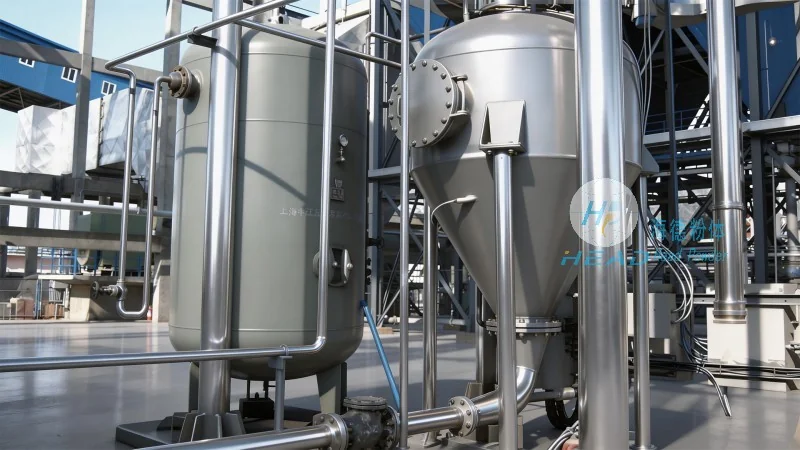
Application in Battery Manufacturing
In battery manufacturing, the pneumatic conveying equipment for cathode materials is used in various stages of the production process. For example, it can be used to transport raw cathode powders from storage silos to the mixing and coating equipment, where they are combined with other components like conductive agents and binders. The equipment must be able to handle these materials at a consistent rate to ensure uniform mixing and coating, which directly impacts the final battery performance. Additionally, the system may be used to transport finished cathode materials to the battery cell assembly line, where they are used in the formation of the battery cells. The reliability and efficiency of the pneumatic conveying system are therefore critical to the overall productivity and quality of the battery manufacturing process.
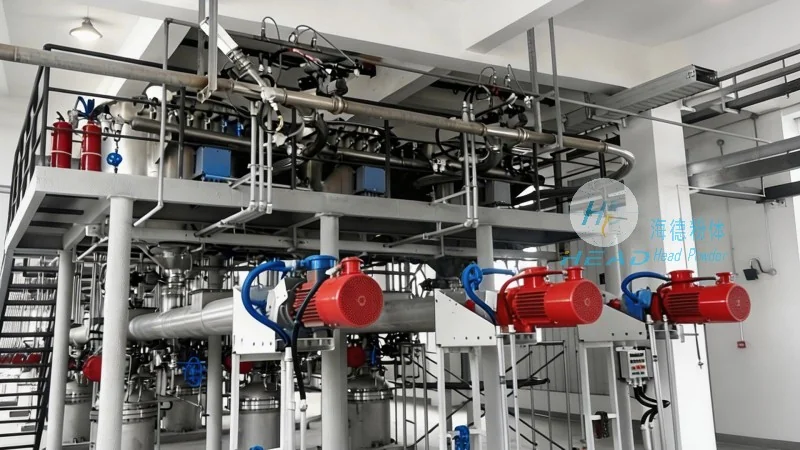
Company Information: Shandong HeadPowder Engineering Co., Ltd.
HeadPowder, a leading manufacturer of material handling equipment, specializes in designing and manufacturing pneumatic conveying systems tailored to the needs of the battery industry. With years of experience in the field, HeadPowder has developed advanced solutions that meet the stringent requirements of battery cathode material handling. The company's products are engineered to ensure high efficiency, minimal material loss, and consistent performance, contributing to the overall success of battery manufacturing operations. HeadPowder's commitment to quality and innovation has made it a trusted partner for battery manufacturers worldwide.
Conclusion
Pneumatic conveying equipment for battery cathode materials is a vital component in modern battery manufacturing, enabling efficient and reliable transport of these critical materials. The design principles behind such equipment focus on maximizing efficiency, minimizing material degradation, and ensuring consistent flow rates. By carefully selecting and integrating the key components of the system, manufacturers can ensure that the cathode materials are handled in a way that preserves their quality and performance. With the growing demand for batteries in various applications, the importance of reliable material handling systems like pneumatic conveyors cannot be overstated. Companies like Shandong HeadPowder Engineering Co., Ltd. play a crucial role in providing these advanced solutions, supporting the development of the battery industry and contributing to the advancement of clean energy technologies.