

What is a Clay Material Pneumatic Conveying System? What Are Its Design Principles?
Clay material pneumatic conveying systems represent a critical technology in material handling, particularly for industries dealing with fine, dry, or semi-dry clay-based products. These systems utilize air or gas to transport clay materials from one location to another, offering a dust-free, efficient, and flexible solution compared to traditional mechanical conveyors. Understanding the fundamentals of such systems and their design principles is essential for optimizing material flow, maintaining product quality, and ensuring operational efficiency in industrial processes.
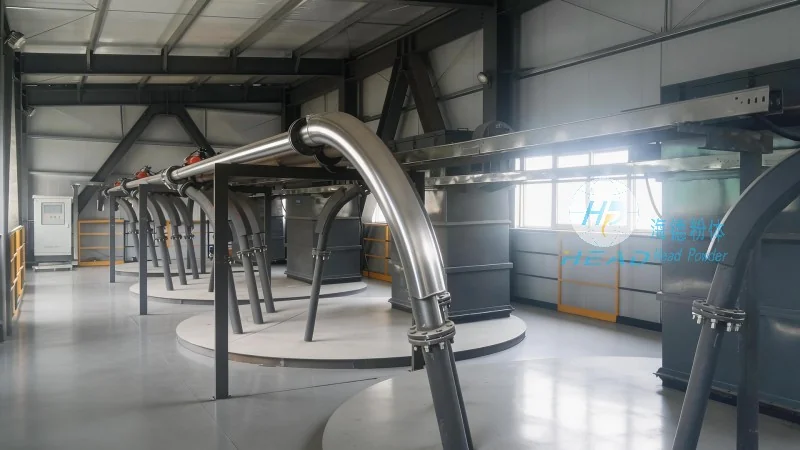
Defining Clay Material Pneumatic Conveying Systems
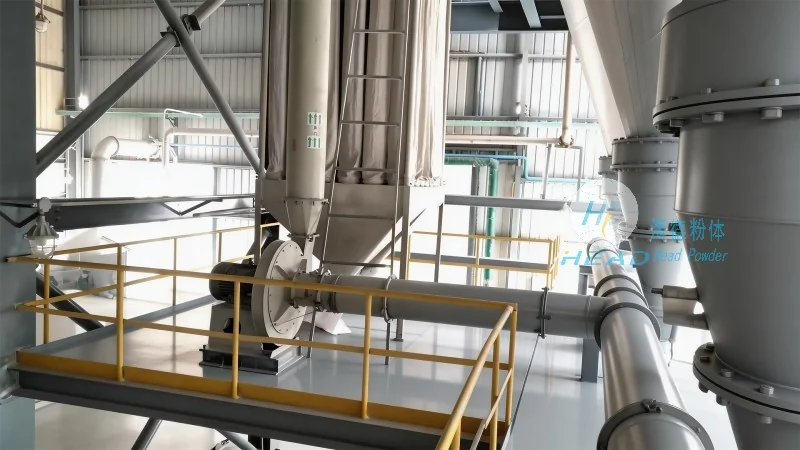
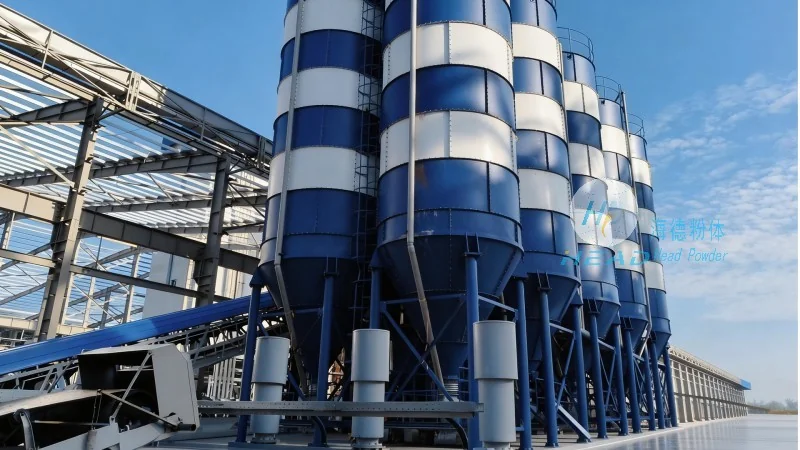
A clay material pneumatic conveying system is a mechanical system designed to transport clay-based materials through a pipeline using air or gas as the conveying medium. Unlike bulk material handling methods that rely on gravity or mechanical force, pneumatic conveying systems employ pressure or vacuum to move materials. The system typically consists of a material feed hopper, a conveying line (often with bends and valves), a dust collector or filter system, and a discharge outlet. The primary goal is to transport clay materials such as kaolin, bentonite, or other clay minerals from a storage or processing area to a processing unit, such as a mixer, dryer, or packaging station.
Core Design Principles of Pneumatic Conveying Systems
The design of a clay material pneumatic conveying system is governed by several key principles to ensure reliable and efficient operation. These principles include: material characteristics, system pressure, conveying velocity, and system configuration. Each of these factors must be carefully considered to prevent issues like blockages, material degradation, or system inefficiencies.
Material characteristics are a primary consideration. Clay materials vary widely in terms of particle size, moisture content, and flowability. For example, kaolin, a fine white clay, requires different conveying conditions compared to bentonite, a more plastic and cohesive clay. The particle size distribution, moisture content, and bulk density of the clay directly impact the system's design, including the required air velocity and pressure. Coarser particles may need higher air velocities to prevent settling, while fine particles may require lower velocities to avoid excessive pressure drops and system wear.
System pressure is another critical design factor. Pneumatic conveying systems can operate under positive pressure (where air is forced through the system) or negative pressure (where air is drawn out). Positive pressure systems are common for transporting materials over longer distances or to multiple destinations, as they provide consistent material flow and can handle higher material loads. Negative pressure systems, often called vacuum systems, are suitable for applications requiring dust control or when the material needs to be transported from a higher to a lower elevation. The choice of pressure type depends on the specific application requirements, including the distance between the feed and discharge points, the number of transfer points, and the need for environmental control.
Conveying velocity, or the speed at which the air moves through the pipeline, is directly related to the material's properties and the system's pressure. The velocity must be sufficient to keep the clay particles suspended in the air stream but not so high as to cause excessive wear on the system components or excessive energy consumption. The optimal velocity is typically determined by the particle size and density of the clay. For example, a system conveying fine kaolin particles might operate at an air velocity of 20-30 m/s, while a system handling coarser bentonite particles might require a velocity of 15-25 m/s. Maintaining the correct velocity is crucial to prevent blockages, which can occur if the velocity is too low, or system damage, which can result from excessively high velocities.
System configuration, including the layout of the conveying line, the number and type of bends, and the placement of valves and filters, also plays a vital role in the design. The layout must be designed to minimize pressure losses and ensure smooth material flow. Bends and elbows in the pipeline can cause pressure drops and material settling, so their design and placement are critical. The use of smooth, corrosion-resistant materials for the pipeline, such as stainless steel or polyethylene, is essential to prevent material buildup and ensure long-term system performance. Additionally, the inclusion of a dust collector or filter system is necessary to capture any fine clay particles that may escape the conveying line, protecting the environment and maintaining product quality.
About Shandong HeadPowder Engineering Co., Ltd.
Shandong HeadPowder Engineering Co., Ltd., commonly known as HeadPowder, is a leading manufacturer and supplier of pneumatic conveying systems and related industrial equipment. With a strong presence in China, particularly in Shandong province, HeadPowder specializes in designing and manufacturing customized solutions for a wide range of industries, including ceramics, pharmaceuticals, food processing, and chemical manufacturing. The company's expertise lies in understanding the unique challenges of handling clay materials and developing systems that meet the specific needs of each client. HeadPowder's team of engineers and technicians work closely with clients to assess their material handling requirements, provide tailored solutions, and ensure the successful implementation of pneumatic conveying systems. The company is committed to quality, reliability, and customer satisfaction, offering comprehensive support from system design and installation to maintenance and after-sales service.