

What is a Wheat Material Pneumatic Conveying Line? And What Are Its Design Principles?
Wheat material pneumatic conveying lines are specialized systems engineered to transport wheat and related bulk materials efficiently and safely. These systems are widely used in the agricultural and food processing industries, playing a crucial role in the handling and distribution of wheat from storage to processing facilities. The design of such lines involves careful consideration of material properties, operational requirements, and system efficiency to ensure optimal performance.
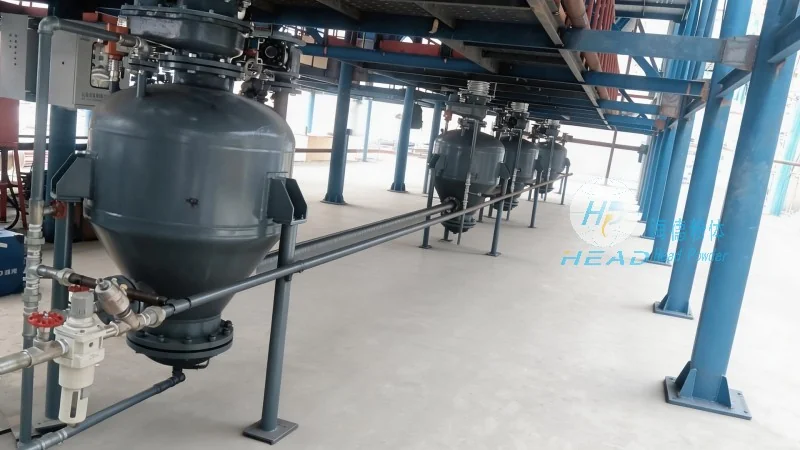
Understanding the Core Components of a Wheat Material Pneumatic Conveying System
A typical wheat material pneumatic conveying line consists of several key components that work in tandem to achieve material transport. These components include a material hopper or feeder, a conveying pipeline, a fan or blower to generate the necessary air flow, and a receiver or discharge unit. The material hopper is designed to store and meter the wheat, ensuring a consistent feed rate into the system. The conveying pipeline, often made of durable materials like stainless steel or plastic, is engineered to withstand the pressure and abrasion from the wheat particles. The fan or blower provides the motive force, creating a pressure differential that propels the wheat through the pipeline. Finally, the receiver or discharge unit collects the wheat at the destination, completing the transport process.
The Fundamental Design Principles Behind Wheat Material Pneumatic Conveying
The design principles of a wheat material pneumatic conveying line are centered on maximizing efficiency, minimizing material degradation, and ensuring system reliability. One of the primary design considerations is the selection of the appropriate conveying method, which can be categorized as pressure or vacuum systems. Pressure systems use a positive pressure fan to push the material through the pipeline, while vacuum systems use a negative pressure fan to pull the material. For wheat, which is relatively light and abrasive, pressure systems are often preferred as they provide better control over material flow and reduce the risk of material degradation. Another critical design principle is the calculation of air velocity and pressure drop. Engineers must determine the optimal air velocity to prevent material settling or blockages in the pipeline while minimizing energy consumption. The pressure drop across the system is also carefully calculated to ensure the fan or blower can provide sufficient power to overcome resistance and maintain consistent material transport.
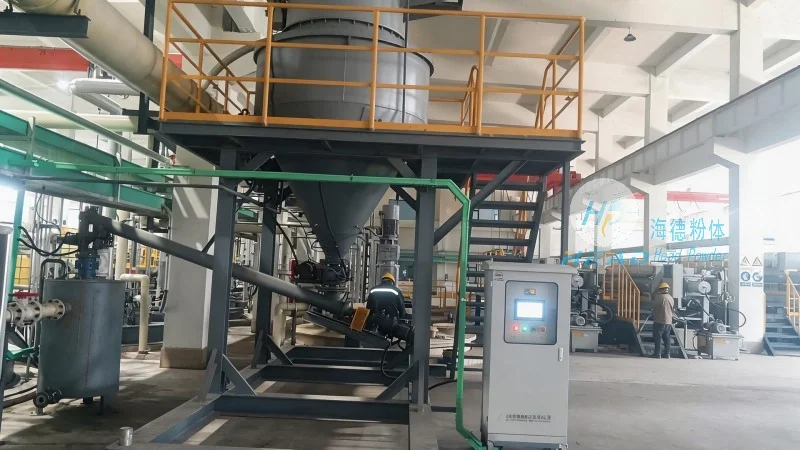
Key Factors Influencing the Design of Wheat Material Pneumatic Conveying Lines
Several factors influence the design of a wheat material pneumatic conveying line, including the characteristics of the wheat, the distance and elevation changes between the source and destination, and the required throughput. The physical properties of wheat, such as particle size, density, and moisture content, affect the system's performance. Larger or denser particles may require higher air velocities and more robust equipment to ensure smooth transport. The distance and elevation changes between the feed and discharge points also impact the design, as they determine the pressure requirements and the need for additional components like bends or expansion joints. The required throughput, or the amount of wheat to be transported per unit time, is another critical factor. Higher throughput demands more powerful fans and larger pipelines to maintain consistent flow rates without causing bottlenecks or material degradation.
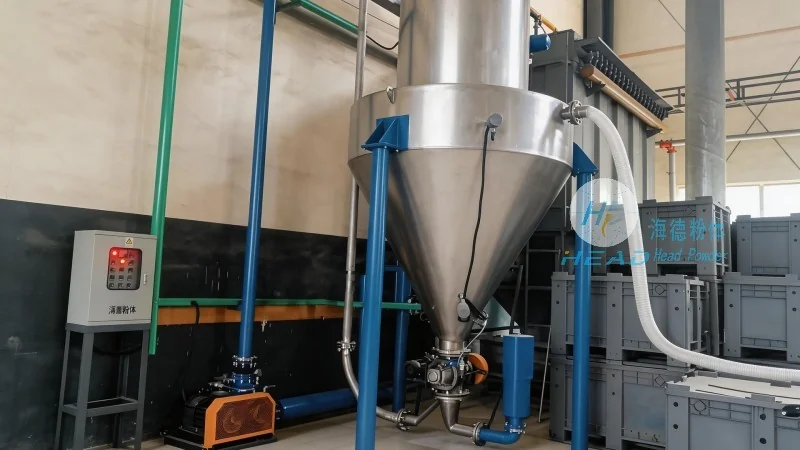
How Shandong HeadPowder Engineering Co., Ltd. Designs and Manufactures Wheat Material Pneumatic Conveying Lines
Shandong HeadPowder Engineering Co., Ltd., a leading manufacturer in the field, specializes in designing and manufacturing high-quality wheat material pneumatic conveying lines tailored to the specific needs of clients. With years of experience and a team of skilled engineers, the company leverages advanced technology and rigorous testing to ensure each system meets the highest standards of performance and reliability. The design process begins with a thorough analysis of the client's requirements, including the type and quantity of wheat, the distance and elevation changes, and the operational environment. Based on this analysis, the engineers select the appropriate conveying method, material of construction, and component specifications. The company uses state-of-the-art software for system simulation and optimization, allowing them to model different scenarios and fine-tune the design for maximum efficiency. During the manufacturing phase, all components are produced with precision and quality control measures to ensure durability and long-term performance. After production, each system undergoes rigorous testing to verify its performance under various conditions, including different wheat types and operating pressures. This comprehensive approach ensures that the final product is not only efficient but also reliable and cost-effective for the client.
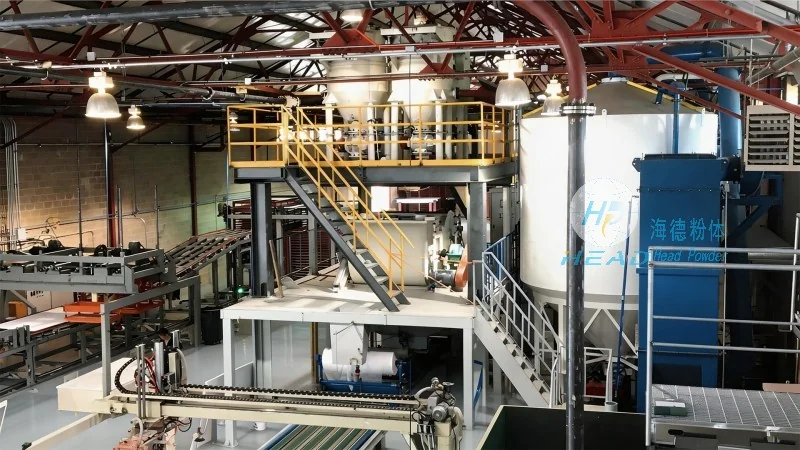
Benefits of Using a Well-Designed Wheat Material Pneumatic Conveying Line
Implementing a well-designed wheat material pneumatic conveying line offers numerous benefits for businesses in the agricultural and food processing sectors. One of the primary advantages is the significant improvement in operational efficiency. By automating the transport process, companies can reduce labor costs and increase throughput, allowing them to handle larger volumes of wheat in less time. The system also minimizes material handling errors and damage, as the wheat is transported in a controlled environment without manual handling. This reduces the risk of contamination and ensures the quality of the wheat remains intact throughout the process. Additionally, pneumatic conveying systems are more flexible and adaptable than traditional methods, such as conveyor belts or trucks, as they can be easily reconfigured to accommodate changes in production or storage needs. The compact design of these systems also saves space, making them ideal for facilities with limited floor area. Finally, the use of advanced materials and engineering in the design of these systems results in lower maintenance costs and longer service life, providing a better return on investment for the client.
Conclusion: The Importance of Professional Design and Manufacturing in Wheat Material Pneumatic Conveying
In conclusion, wheat material pneumatic conveying lines are essential systems for the efficient and safe transport of wheat and related bulk materials. The design principles behind these systems are critical to their performance, efficiency, and reliability. Factors such as material properties, system configuration, and operational requirements must be carefully considered to ensure optimal results. Companies like Shandong HeadPowder Engineering Co., Ltd. play a vital role in providing high-quality, customized solutions that meet the specific needs of their clients. By investing in a well-designed pneumatic conveying line, businesses can enhance their operational efficiency, reduce costs, and improve the overall quality of their wheat handling processes. The future of wheat material transport lies in the continued development of advanced systems that leverage technology and engineering expertise to meet the evolving needs of the industry.