

What is a Borax Material Pneumatic Conveying System? And What Are Its Design Principles?
Welcome to Shandong HeadPowder Engineering Co., Ltd., a leading provider of specialized material handling solutions. In this article, we will explore the concept of a borax material pneumatic conveying system, its fundamental design principles, and the technical aspects that make it an efficient choice for handling borax and similar bulk materials.
Introduction to Borax Material Pneumatic Conveying Systems
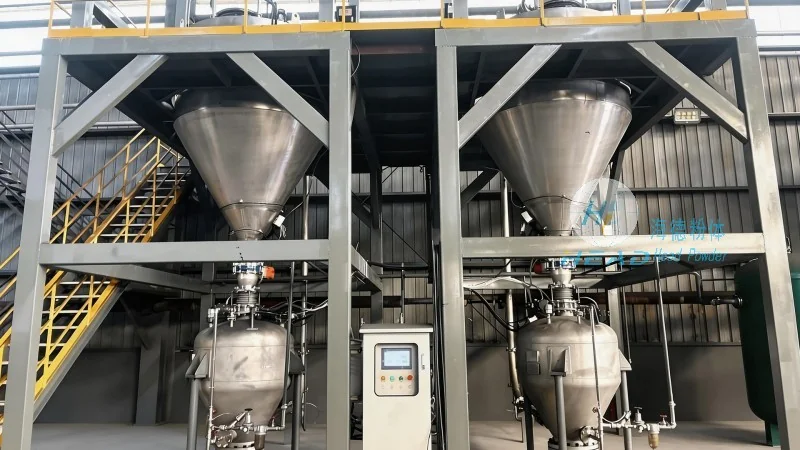
A borax material pneumatic conveying system is a type of industrial equipment designed to transport borax powder or granules through a pipeline using compressed air or other gas as the conveying medium. This method offers a dust-free, enclosed, and continuous process for moving borax from its source to processing or storage areas. The system is particularly valuable in industries where maintaining material purity and minimizing environmental impact is critical.
Key Components and Working Principle
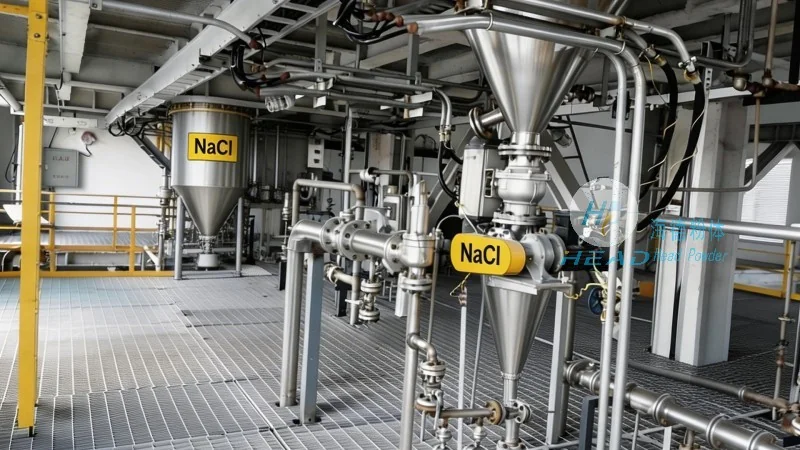
The core components of a borax pneumatic conveying system typically include a hopper for material storage, a feeder to control the flow rate, a compressor or blower to generate the conveying air, a pipeline network for material transport, and a receiver or discharge unit for the material. The working principle involves feeding borax into the hopper, where it is then drawn into the pipeline by the moving air stream. The air and material mixture travels through the pipeline under pressure, with the air providing the necessary force to move the material. At the destination, the air is separated from the material, often through a cyclone or filter, and the air is then vented or recirculated, while the borax is collected in the receiver.
Design Principles for Efficient Borax Handling
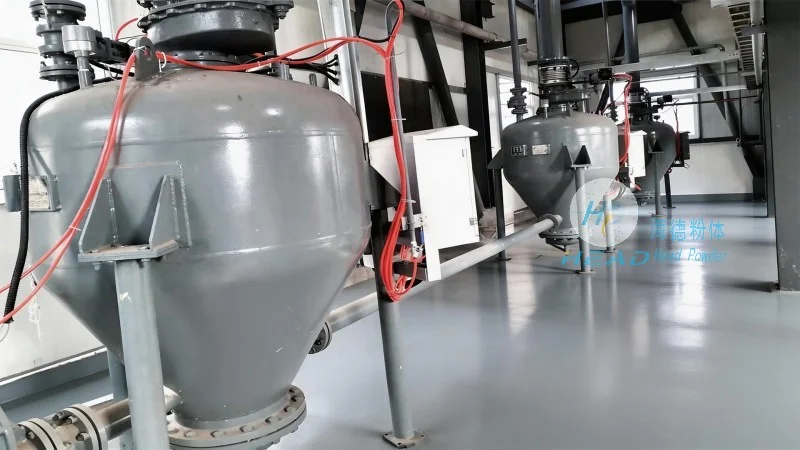
Designing an effective borax pneumatic conveying system requires careful consideration of several key principles to ensure optimal performance, material integrity, and operational efficiency. First, the system must be designed to handle the specific physical properties of borax, such as its particle size, density, and flowability. Borax is often a fine powder or granule, which can lead to issues like caking or bridging in hoppers and pipelines. Therefore, the design incorporates features like agitators or vibrators to prevent material buildup and ensure smooth flow. Second, the air velocity and pressure must be optimized to prevent material degradation or blockages. Excessive air velocity can cause particle attrition, while insufficient velocity may lead to pipeline blockages. Engineers at Shandong HeadPowder Engineering Co., Ltd. use advanced computational fluid dynamics (CFD) and material testing to determine the ideal air velocity and pressure for a given borax type and system configuration. Third, the system must be constructed from materials that are compatible with borax and the conveying air. Borax is mildly alkaline and can be corrosive to certain metals, so components like hoppers, pipelines, and valves are typically made from stainless steel or other corrosion-resistant materials. Additionally, the system design considers factors like energy efficiency, as compressed air is a significant operational cost. Optimizing the system's pressure drop and using efficient compressors can reduce energy consumption and lower long-term operating costs.
Advantages of Using Pneumatic Conveying for Borax
Compared to traditional methods like belt conveyors or bucket elevators, pneumatic conveying offers several advantages when handling borax. One of the most significant benefits is the enclosed system, which prevents dust emissions and maintains a clean working environment. This is particularly important in facilities where dust control is a regulatory requirement or where product purity is paramount. Another advantage is the ability to transport borax over long distances or through complex layouts without the need for multiple transfer points or elevators. The system's flexibility allows for easy integration into existing production lines or new facility designs. Furthermore, pneumatic conveying can handle varying material flow rates and can be easily scaled up or down to meet changing production demands. The continuous operation of the system also contributes to improved production efficiency and reduced downtime compared to batch processing methods.
Application Scenarios and Industry Considerations
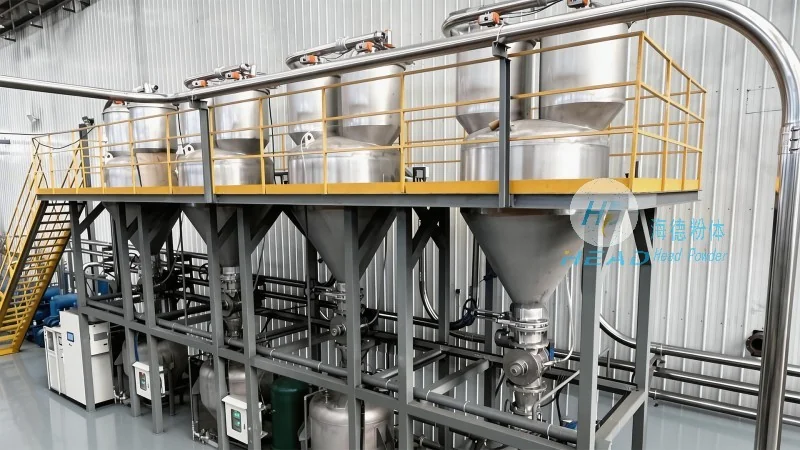
Borax material pneumatic conveying systems are widely used in various industries, including chemical manufacturing, pharmaceuticals, food processing, and mining. In the chemical industry, they are commonly employed in the production of borax-based products like boric acid or sodium perborate, where the need for clean, dust-free handling is essential. In the pharmaceutical sector, the system's ability to maintain product purity and prevent contamination makes it suitable for transporting borax used as an excipient or raw material in drug formulations. The food industry also benefits from the system's hygienic design, as it can handle borax used as a food additive or preservative without compromising product safety. In mining operations, pneumatic conveying may be used to transport borax ore from extraction sites to processing plants, where the system's ability to handle bulk materials over long distances is advantageous. When selecting a pneumatic conveying system for borax handling, several industry considerations must be taken into account. These include the specific application requirements, such as the distance and height of the transport, the required flow rate, and the environmental regulations in the operating region. Additionally, the system's compatibility with existing infrastructure and the availability of maintenance services are important factors. Shandong HeadPowder Engineering Co., Ltd. works closely with clients to assess these factors and design a customized system that meets their unique needs and operational goals.