

What is an Ammonium Fertilizer Material Pneumatic Conveying Line? And What Are Its Design Principles
Ammonium fertilizer material pneumatic conveying lines are specialized systems engineered to transport bulk ammonium fertilizer materials efficiently and safely. These systems are critical in modern agricultural and industrial operations, ensuring the reliable movement of fertilizer from storage to processing or application points. The design principles behind these lines are intricate, balancing performance, durability, and operational efficiency to meet the demands of high-volume fertilizer handling.
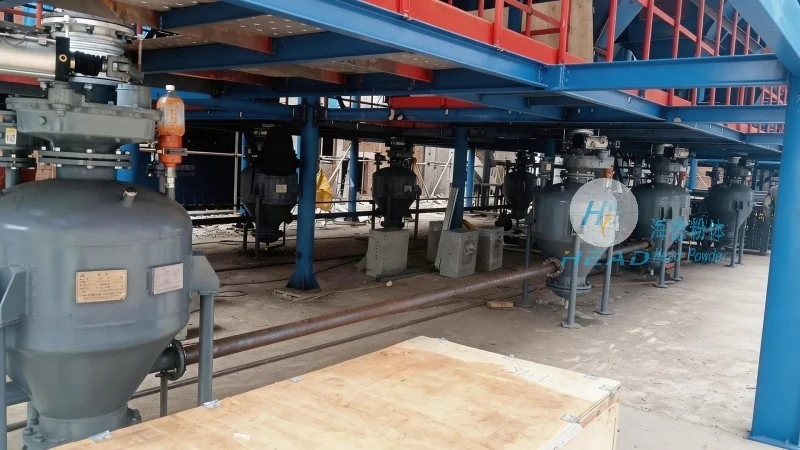
Understanding Ammonium Fertilizer Material Pneumatic Conveying Lines
At the core of ammonium fertilizer material pneumatic conveying lines is the ability to move granular or powdered ammonium-based fertilizers through a closed system using air or other gases. This method eliminates the need for mechanical components like belts or buckets, reducing maintenance and wear while minimizing product contamination. The system typically consists of a hopper for material storage, a conveying pipeline, a fan or blower to generate airflow, and a discharge point for material release. The choice of conveying method—such as dilute phase or dense phase—depends on the specific characteristics of the fertilizer, including particle size, moisture content, and bulk density.
Key Design Principles for Pneumatic Conveying Systems
The design of an ammonium fertilizer material pneumatic conveying line involves several critical principles to ensure optimal performance. First, the system must be designed to handle the unique properties of ammonium fertilizers, which can be hygroscopic (moisture-attracting) and prone to caking under certain conditions. This requires careful consideration of material flow, moisture control, and the prevention of blockages in the pipeline. Second, the selection of air velocity and pressure is paramount. High air velocity can reduce particle separation and increase energy consumption, while low velocity may lead to system inefficiencies or blockages. Engineers must calculate the appropriate air velocity based on the material's characteristics and the desired conveying distance.
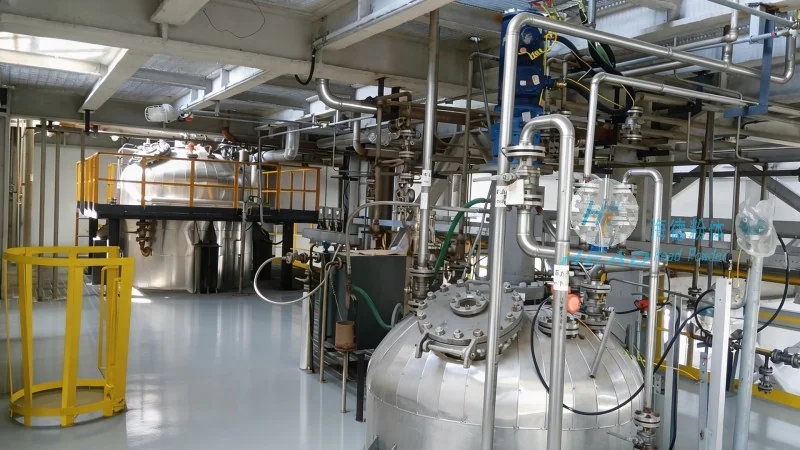
Third, the system's components must be constructed from materials resistant to corrosion and chemical reactions, as ammonium fertilizers can be acidic or alkaline. Stainless steel or specialized alloys are commonly used for hoppers, pipelines, and valves to ensure longevity and prevent contamination. Additionally, the design must incorporate features for safety and maintenance, such as pressure relief valves, dust collection systems, and easy access points for inspection and cleaning. These elements are essential for maintaining the system's reliability and compliance with safety regulations.
Components and Operation of the Pneumatic Conveying Line
The operational efficiency of an ammonium fertilizer material pneumatic conveying line is determined by its integrated components and the principles of fluid dynamics. The process begins with material loading into the hopper, where it is fed into the conveying pipeline by the action of the fan or blower. The air flow creates a low-pressure zone in the pipeline, drawing the fertilizer particles along with it. The conveying line may include bends, expansions, or reductions in diameter to manage the flow and prevent turbulence or particle separation. At the discharge end, the material is separated from the air using cyclones or filters, and the air is either recirculated or vented to the atmosphere.
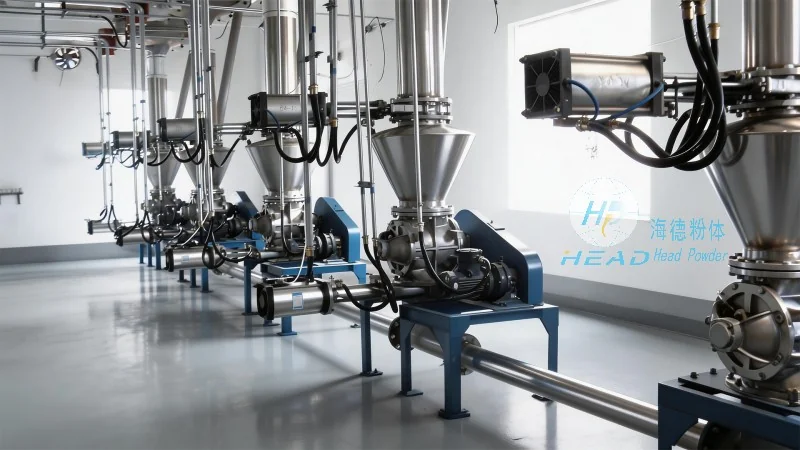
For dilute phase conveying, the air velocity is high enough to keep the fertilizer particles suspended in the air stream, allowing for long-distance transport with minimal pressure drop. Dense phase conveying, on the other hand, uses lower air velocities and higher pressure to move material in a slurry-like state, reducing particle degradation and improving system efficiency for sensitive fertilizers. The design of the line must account for these operational modes, selecting the appropriate fan capacity, pipeline diameter, and pressure control mechanisms to achieve the desired conveying performance.
Applications and Benefits in Fertilizer Handling
Ammonium fertilizer material pneumatic conveying lines are widely used in fertilizer production, storage, and distribution facilities. They enable seamless integration between storage silos, processing units, and packaging lines, ensuring a continuous flow of material without manual handling. The benefits of these systems include reduced labor costs, minimized product loss, and improved safety by eliminating the need for manual loading and unloading. Additionally, the enclosed system prevents dust emissions and environmental contamination, aligning with modern environmental regulations. The efficiency of pneumatic conveying also contributes to lower energy consumption compared to traditional mechanical systems, making it a cost-effective solution for large-scale fertilizer operations.
Considerations for Installation and Maintenance
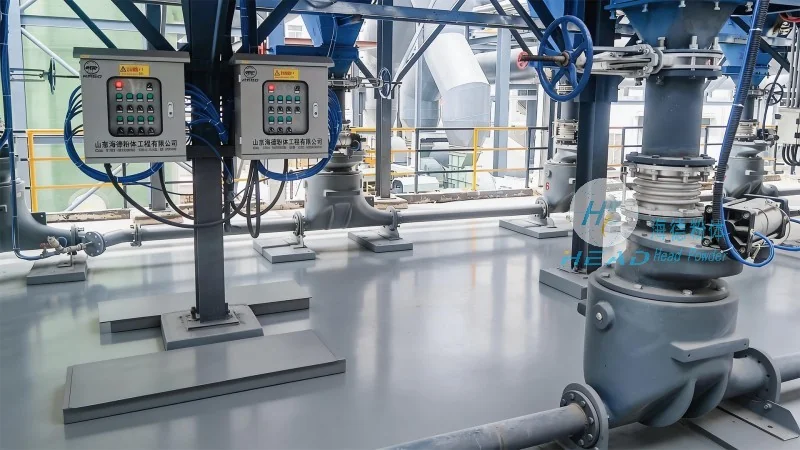
When installing an ammonium fertilizer material pneumatic conveying line, several factors must be considered to ensure long-term performance. The system should be installed with proper alignment and support to prevent vibration or stress on components. The location of the hopper and discharge point must be optimized to minimize conveying distance and reduce energy requirements. Additionally, the system must be equipped with monitoring and control systems to track pressure, flow rate, and air quality, allowing for real-time adjustments and troubleshooting. Regular maintenance is crucial to prevent system failures and ensure consistent performance. This includes cleaning the pipeline and filters, inspecting for wear or corrosion, and replacing worn components as needed. Proper maintenance not only extends the lifespan of the system but also maintains the quality of the fertilizer being transported.
Conclusion
Ammonium fertilizer material pneumatic conveying lines represent a sophisticated solution for the efficient and safe handling of bulk ammonium fertilizers. The design principles, components, and operational strategies outlined above highlight the importance of engineering expertise in creating systems that meet the demands of modern agriculture and industry. By understanding the unique properties of ammonium fertilizers and applying sound design principles, these systems provide reliable, cost-effective, and environmentally friendly solutions for fertilizer transportation. As the demand for efficient fertilizer handling continues to grow, the role of pneumatic conveying lines will remain critical in supporting global food production and agricultural productivity.