

What is a Fluorspar Powder Material Pneumatic Conveying System? What are its Design Principles?
Fluorspar, also known as fluorite, is a mineral composed of calcium fluoride (CaF₂). It is widely used in various industrial applications, including the production of hydrofluoric acid, aluminum fluoride, and as a flux in metallurgy. When handling fluorspar powder, efficient and reliable material transport is crucial to ensure smooth production processes and maintain product quality. This is where a fluorspar powder material pneumatic conveying system comes into play, designed to transport fluorspar powder from one location to another using air as the conveying medium.
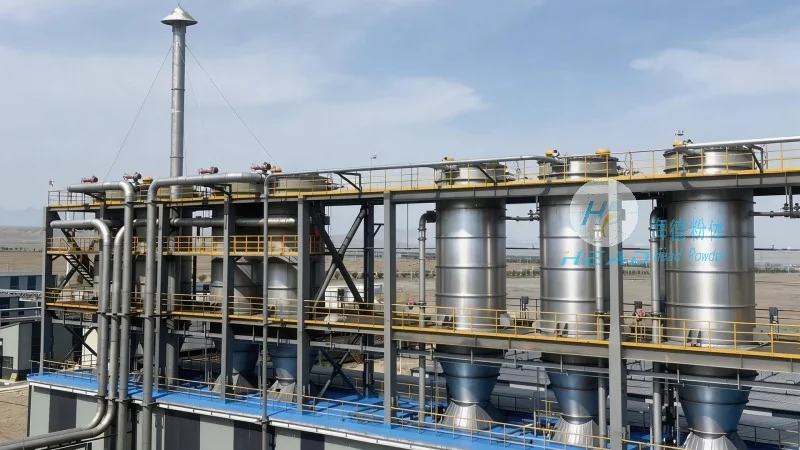
Understanding the Fluorspar Powder Material Pneumatic Conveying System
A fluorspar powder material pneumatic conveying system is a type of pneumatic conveying equipment specifically designed for transporting fluorspar powder. Unlike traditional mechanical conveying methods, such as belt conveyors or screw conveyors, pneumatic conveying uses compressed air to move the powder through a pipeline. This method offers several advantages, including the ability to handle fine powders without causing dust accumulation, reduce the risk of product contamination, and enable flexible system layouts.
Key Components of the Pneumatic Conveying System
The fluorspar powder material pneumatic conveying system typically consists of several key components that work together to ensure efficient material transport. These components include:
1. Feeder: The feeder is responsible for feeding the fluorspar powder into the conveying system. It ensures a consistent and controlled flow of material into the pipeline, preventing blockages and maintaining system stability.
2. Pneumatic Conveying Pipe: The pipe serves as the main transport channel for the fluorspar powder. It is usually made of materials such as stainless steel or plastic, which are resistant to corrosion and wear from the fluorspar powder.
3. Compressor: The compressor generates the compressed air needed to move the powder through the pipeline. The choice of compressor type, such as rotary lobe or screw compressors, depends on the system's requirements, including the material's properties and the desired conveying distance.
4. Separation and Collection System: This system is used to separate the fluorspar powder from the air at the end of the conveying line. It typically includes a cyclone separator or a bag filter, which captures the powder and returns it to the process while releasing clean air.
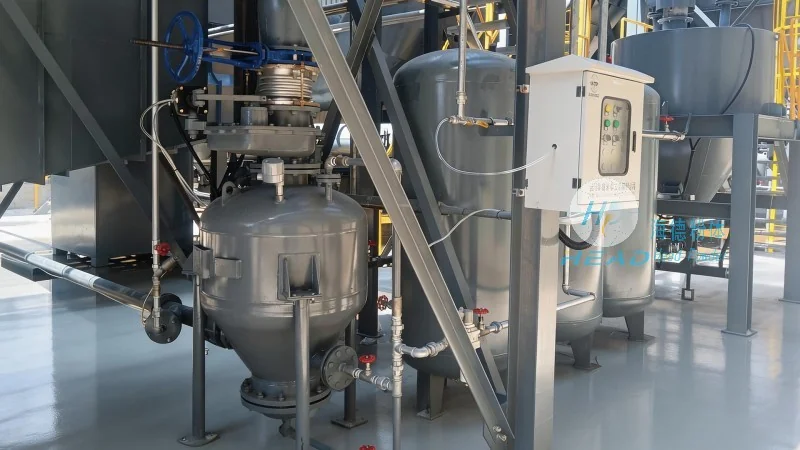
Design Principles for the System
The design of a fluorspar powder material pneumatic conveying system involves several key principles to ensure optimal performance and reliability. These principles include:
1. Material Compatibility: The system components must be compatible with fluorspar powder to prevent corrosion or degradation. Stainless steel and special alloys are commonly used for the pipe and other parts to withstand the chemical properties of the powder.
2. Flow Rate and Pressure: The design must consider the required flow rate and pressure to achieve the desired conveying capacity and distance. Proper sizing of the compressor and pipe diameter is critical to maintain efficient material transport without excessive energy consumption.
3. System Layout and Flexibility: The system layout should be designed to accommodate the specific production requirements and facility layout. Flexible connections and modular components allow for easy integration and future expansion of the system.
4. Control and Monitoring: An effective control system is essential to monitor and regulate the conveying process. This includes sensors for flow rate, pressure, and temperature, as well as control valves and automation systems to ensure stable operation and prevent system failures.
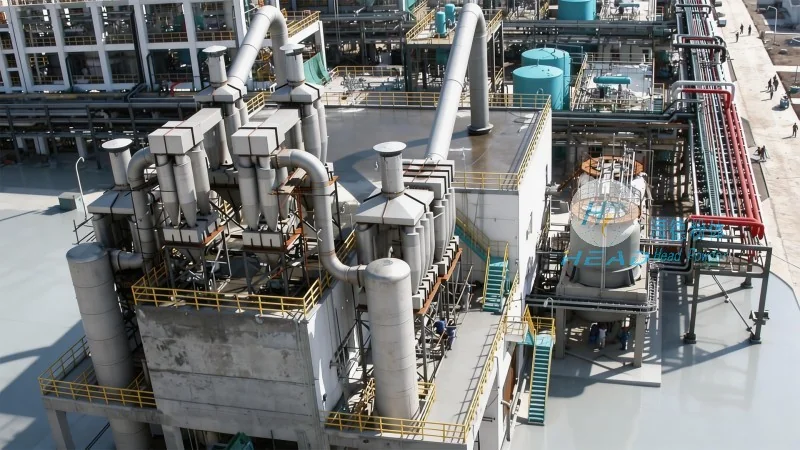
Advantages of Using a Pneumatic Conveying System for Fluorspar Powder
Implementing a fluorspar powder material pneumatic conveying system offers several advantages over traditional mechanical conveying methods. These benefits include:
1. Reduced Dust and Contamination: Pneumatic conveying minimizes dust generation and product contamination, which is crucial for maintaining the quality of fluorspar powder, especially when it is used in applications requiring high purity.
2. Improved Safety: By eliminating the need for manual handling of powders, the system reduces the risk of dust explosions and improves workplace safety.
3. Energy Efficiency: Modern pneumatic conveying systems are designed to be energy-efficient, with optimized compressor operation and pipe sizing that minimize energy consumption while maintaining high conveying efficiency.
4. Space Savings: The compact design of pneumatic conveying systems allows for efficient use of space in industrial facilities, making it suitable for both new installations and retrofitting existing plants.
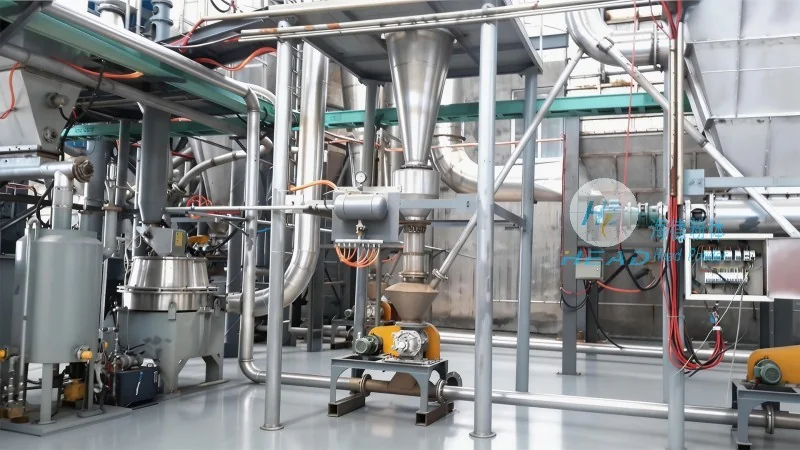
Applications of Fluorspar Powder Pneumatic Conveying Systems
Fluorspar powder material pneumatic conveying systems are widely used in various industries where fluorspar is processed or used as an ingredient. Some common applications include:
1. Hydrofluoric Acid Production: In the production of hydrofluoric acid, fluorspar powder is transported from storage to reaction vessels. The pneumatic system ensures a consistent supply of powder, which is critical for maintaining the reaction rate and product yield.
2. Aluminum Production: Fluorspar is used as a flux in the smelting of aluminum. The conveying system efficiently delivers the powder to the smelting furnaces, ensuring optimal flux addition and improving the efficiency of the smelting process.
3. Metallurgical Processes: In various metallurgical applications, fluorspar is used as a flux to remove impurities from metals. The pneumatic conveying system provides a reliable and clean method for transporting the powder to the processing equipment.
4. Chemical Manufacturing: Fluorspar is also used in the production of various chemicals, such as fluorinated compounds. The system ensures the safe and efficient transport of the powder throughout the manufacturing process.
Conclusion
A fluorspar powder material pneumatic conveying system is a sophisticated and efficient solution for transporting fluorspar powder in industrial applications. By understanding the design principles and key components of the system, manufacturers can optimize their material handling processes, improve product quality, and enhance overall operational efficiency. The system's advantages, including reduced contamination, improved safety, and energy efficiency, make it a preferred choice for handling fluorspar powder compared to traditional mechanical conveying methods.