

Working Principle and Characteristics of Lithium Iron Phosphate Pneumatic Conveying
Lithium iron phosphate (LFP) is a pivotal material in the production of rechargeable batteries, widely utilized in electric vehicles, energy storage systems, and other high-energy applications. The efficient handling and transportation of LFP powders are crucial for maintaining product quality and operational efficiency in manufacturing processes. Pneumatic conveying systems have become a preferred method for moving LFP materials due to their ability to handle fine powders with minimal contamination and high throughput. This article delves into the working principle and key characteristics of lithium iron phosphate pneumatic conveying, offering insights into how these systems operate and their advantages in industrial applications.
Working Principle of Lithium Iron Phosphate Pneumatic Conveying
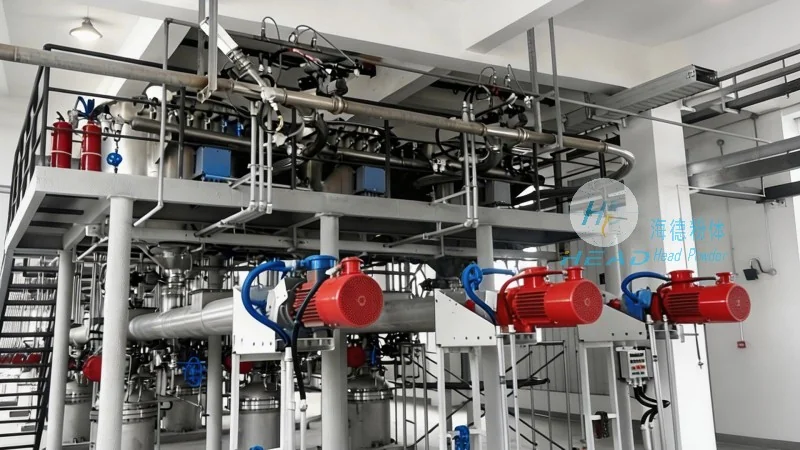
The core principle of pneumatic conveying for lithium iron phosphate involves using air or other gases to transport powder materials through a closed pipeline system. There are two primary types of pneumatic conveying systems: positive pressure and negative pressure. Positive pressure systems operate by blowing air into the pipeline, pushing the powder forward, while negative pressure systems create a vacuum to draw the powder into the system. For LFP, which is typically a fine powder with a specific particle size distribution, the choice of system depends on factors such as the material's flowability, dust control requirements, and the distance to be conveyed.
In a typical positive pressure system, a high-pressure blower or compressor generates air that is directed into the conveying line. The LFP powder is introduced into the line at a suitable point, often via a hopper or feeder, and is entrained by the moving air. The air-powder mixture travels through the pipeline, with the velocity of the air being sufficient to keep the powder suspended and prevent it from settling or clogging. At the discharge end, a separator or cyclone is used to separate the powder from the air, allowing the LFP to be collected in a receiving hopper or container. The separated air is then either recirculated or vented, depending on the system design and environmental regulations.
For negative pressure systems, a vacuum pump creates a low-pressure environment in the pipeline. The LFP powder is drawn into the system through a feed hopper, and the vacuum pulls the powder along with the air. The air-powder mixture is then directed to a separator where the powder is collected. Negative pressure systems are often preferred for applications where dust control is a priority, as they minimize the risk of powder leakage and exposure. Both system types can be customized to handle the specific characteristics of LFP, including its density, moisture content, and potential reactivity with air.
Key Characteristics of Lithium Iron Phosphate Pneumatic Conveying
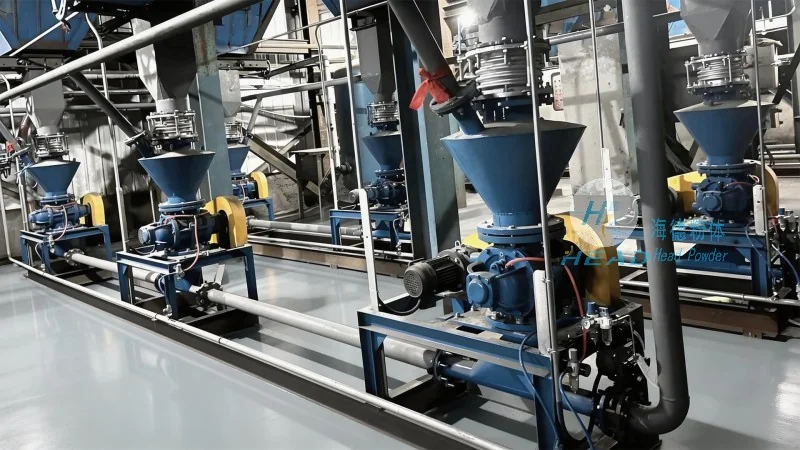
Several distinct characteristics make pneumatic conveying an ideal solution for transporting lithium iron phosphate powders. First, the system offers a high degree of containment, which is crucial for LFP due to its potential to cause dust explosions if not handled properly. By keeping the powder within a closed pipeline, the risk of dust dispersion and environmental contamination is significantly reduced. This containment feature also aligns with industrial safety standards and environmental regulations, making it a compliant choice for manufacturers.
Second, pneumatic conveying provides excellent material handling efficiency. The ability to transport LFP over long distances with minimal equipment and labor makes it a cost-effective solution for large-scale production facilities. The systems can handle high throughput rates, allowing manufacturers to meet production demands without compromising on speed or quality. Additionally, the gentle handling of the powder by the air flow minimizes particle breakage and degradation, preserving the material's properties and ensuring consistent product quality.
Third, the flexibility of pneumatic conveying systems allows for adaptation to various production layouts and process requirements. The pipelines can be configured in different shapes and orientations, enabling the integration of the conveying system into existing manufacturing lines. This adaptability is particularly valuable for LFP processing, where the material may need to be transferred between multiple processing stages, such as mixing, drying, and packaging. The systems can also be equipped with control mechanisms to regulate the flow rate and pressure, providing precise control over the material movement.
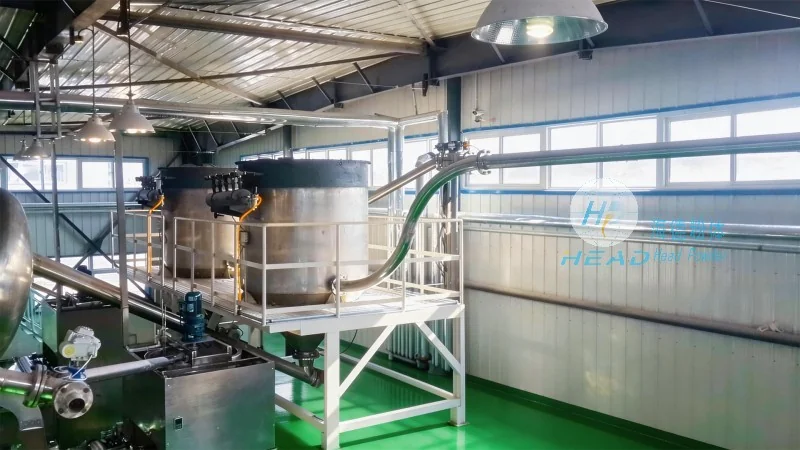
Another important characteristic is the energy efficiency of pneumatic conveying, especially when compared to traditional methods like bucket elevators or belt conveyors. While the initial investment in a pneumatic system may be higher, the operational costs are often lower due to reduced maintenance and energy consumption. The use of air as the conveying medium is relatively inexpensive and readily available, contributing to the overall cost-effectiveness of the process.
Furthermore, the environmental benefits of pneumatic conveying for LFP are significant. By eliminating the need for open-air handling, the system reduces the generation of dust and airborne particles, which can be harmful to both workers and the environment. This is particularly important for LFP, which, when exposed to air, may undergo oxidation or other chemical reactions that affect its performance. The enclosed system also helps in maintaining the material's purity, as it is protected from contaminants like moisture, moisture, or other foreign substances that could compromise the battery performance.
About Shandong HeadPowder Engineering Co., Ltd.
Shandong HeadPowder Engineering Co., Ltd., operating under the brand name HeadPowder, is a leading provider of specialized engineering solutions for powder handling and material processing. With a focus on innovative and efficient systems, the company has developed expertise in designing and manufacturing pneumatic conveying equipment tailored to the unique needs of industries such as battery manufacturing, pharmaceuticals, and food processing. HeadPowder's commitment to quality and customer satisfaction has established it as a trusted partner for businesses seeking reliable and effective powder handling solutions. The company's facilities are located in Shandong, China, where it leverages advanced technology and skilled personnel to deliver high-performance products that meet international standards. By combining technical knowledge with practical application, HeadPowder continues to advance the capabilities of pneumatic conveying systems, ensuring that clients can achieve optimal performance and operational efficiency in their production processes.