

[WTTLE]Working Principle and Characteristics of Baryte Powder Pneumatic Conveying
Baryte powder pneumatic conveying is a widely used technology in the mineral processing and material handling industries. It involves the transport of baryte powder through a pipeline using air or gas as the conveying medium. This method offers several advantages over traditional mechanical conveying systems, making it a preferred choice for many applications.
Working Principle of Baryte Powder Pneumatic Conveying
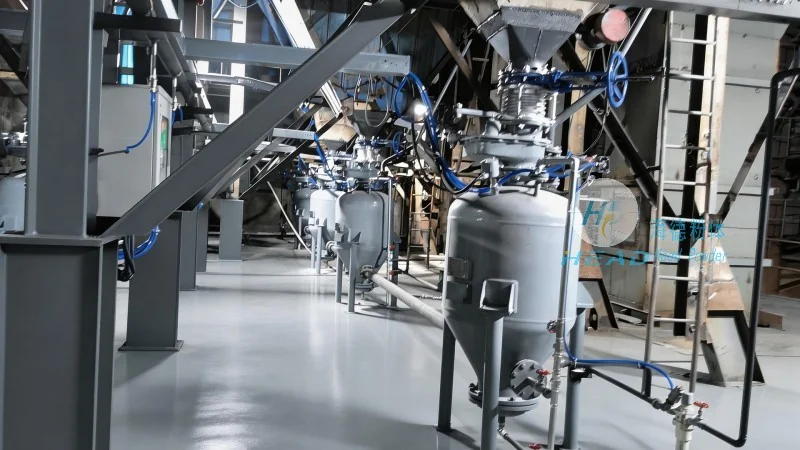
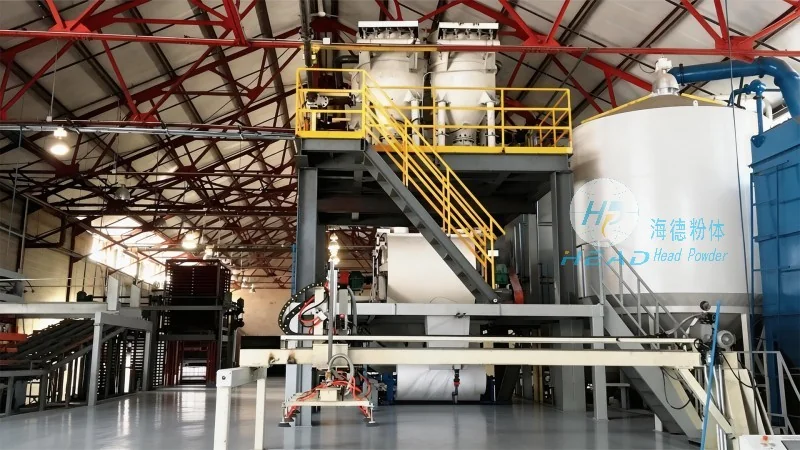
The core of baryte powder pneumatic conveying lies in the interaction between the powder particles and the air stream. The process typically begins with the creation of a high-velocity air flow within the conveying pipeline. This air flow, generated by a blower or fan, is sufficient to lift and suspend the baryte powder particles. As the air moves through the pipeline, it carries the powder along, ensuring efficient transport from the source to the destination. The system can operate under either positive pressure (air blowing) or negative pressure (air suction), depending on the specific requirements of the application. The choice of pressure type influences the design of the pipeline, the type of equipment used, and the overall efficiency of the conveying process.
Key Characteristics of Baryte Powder Pneumatic Conveying
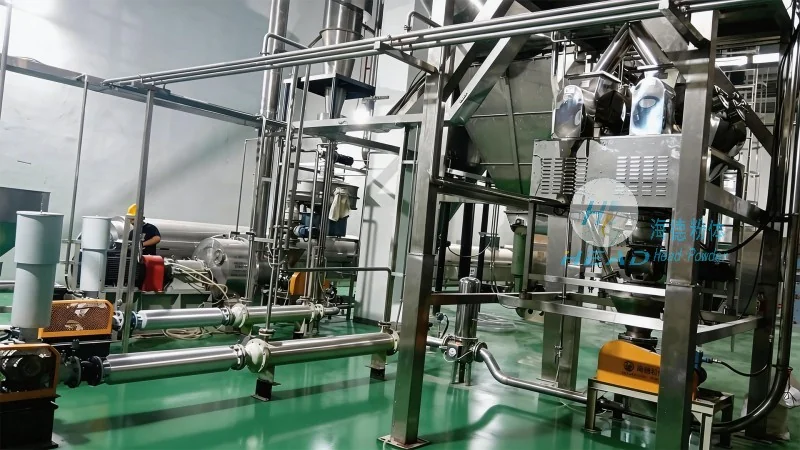
Baryte powder pneumatic conveying exhibits several distinct characteristics that make it suitable for various industrial applications. One of the most notable features is its high efficiency in transporting fine powders. The air flow can effectively handle baryte powders with particle sizes ranging from a few microns to several millimeters, ensuring consistent and reliable delivery. Additionally, this method significantly reduces dust generation compared to mechanical conveying, as the powder is contained within the pipeline and the air stream, minimizing environmental impact and improving workplace safety. Another key characteristic is the flexibility in system design. Pneumatic conveying systems can be easily adapted to different layouts, including vertical, horizontal, or mixed configurations, allowing for customized solutions that fit the specific needs of a facility. This adaptability is particularly valuable in complex industrial settings where space constraints or process requirements demand non-standard configurations. Furthermore, the system offers excellent control over the conveying rate, enabling precise regulation of the powder flow to match production demands. This control capability is crucial for maintaining consistent product quality and optimizing operational efficiency.
Company Profile: Shandong HeadPowder Engineering Co., Ltd.
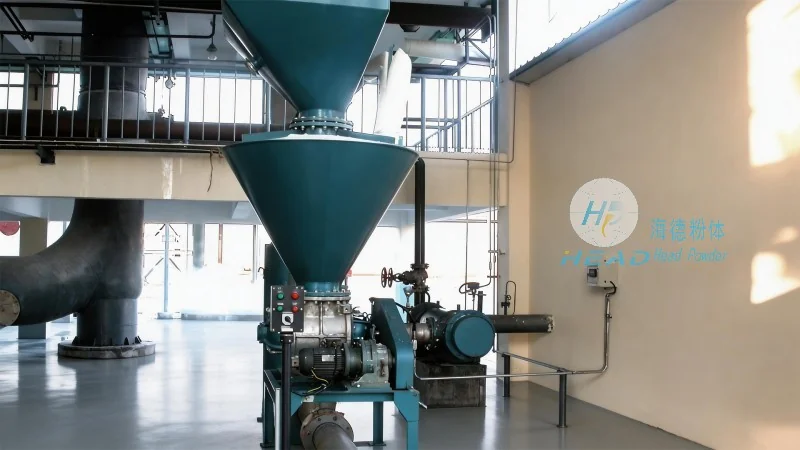
Shandong HeadPowder Engineering Co., Ltd., a leading manufacturer in the field of material handling solutions, specializes in the design, development, and implementation of advanced pneumatic conveying systems. With a strong focus on innovation and quality, the company provides comprehensive services tailored to the unique needs of its clients. HeadPowder's expertise in baryte powder pneumatic conveying is built on years of experience and a commitment to delivering reliable, efficient, and cost-effective solutions. The company's facilities are located in Shandong, China, where it leverages local resources and industry knowledge to support its operations and customer base. By combining advanced technology with practical application, HeadPowder ensures that its pneumatic conveying systems meet the highest standards of performance and durability, helping clients achieve their operational goals while maintaining safety and environmental compliance.