

Working Principle and Characteristics of Algae Residue Pellet Pneumatic Conveying
Algae residue pellet pneumatic conveying is a key technology in the processing and transportation of biomass materials. This method involves transporting solid particles, such as algae residue pellets, through a pipeline using compressed air. It offers an efficient and flexible solution for handling these materials, which are often produced as byproducts in the aquaculture and biofuel industries. The technology is particularly relevant for companies dealing with large volumes of algae biomass, as it helps in reducing transportation costs and improving operational efficiency.
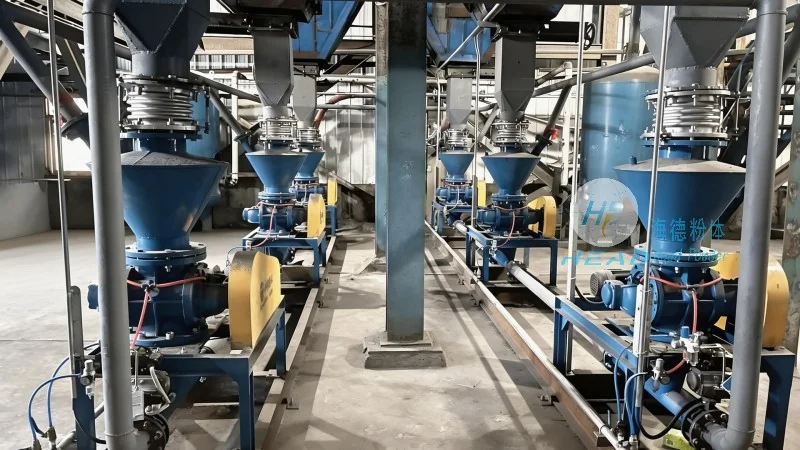
Working Principle of Algae Residue Pellet Pneumatic Conveying
The core working principle of algae residue pellet pneumatic conveying is based on the movement of particles within a pipeline driven by air pressure. There are two main types of pneumatic conveying systems: dilute-phase and dense-phase. In dilute-phase systems, the air velocity is high enough to keep the particles suspended in the air stream, allowing them to travel through the pipeline. This method is suitable for short to medium distances and low to medium particle loads. In contrast, dense-phase systems use lower air velocities and higher particle concentrations, where particles move in a more compact manner, often with the help of a positive displacement pump or a venturi injector. This approach is ideal for longer distances and higher particle loads, as it minimizes particle degradation and system wear.
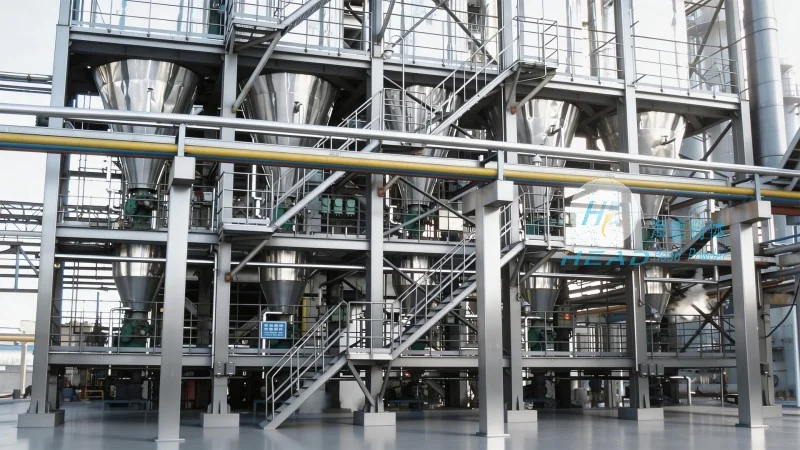
Key Characteristics of Algae Residue Pellet Pneumatic Conveying
Several distinct characteristics define the performance and applicability of algae residue pellet pneumatic conveying systems. First, the system provides a high degree of flexibility in terms of layout and installation. It can be adapted to various production facilities, including those with complex layouts or limited space. Second, it offers excellent control over the conveying process, allowing operators to adjust air pressure, flow rate, and particle concentration as needed. This control is crucial for maintaining the quality of the algae residue pellets during transportation. Third, the technology is highly efficient in terms of energy consumption and operational costs. By using compressed air to move the particles, the system reduces the need for mechanical components like conveyors or elevators, which can be costly to maintain and operate. Fourth, pneumatic conveying systems are capable of handling a wide range of particle sizes and shapes, including irregularly shaped algae residue pellets. This versatility makes them suitable for different processing stages, from raw material collection to final product storage. Finally, the system provides a clean and hygienic conveying environment, which is essential for industries where product contamination must be minimized, such as in the production of biofuels or animal feed.
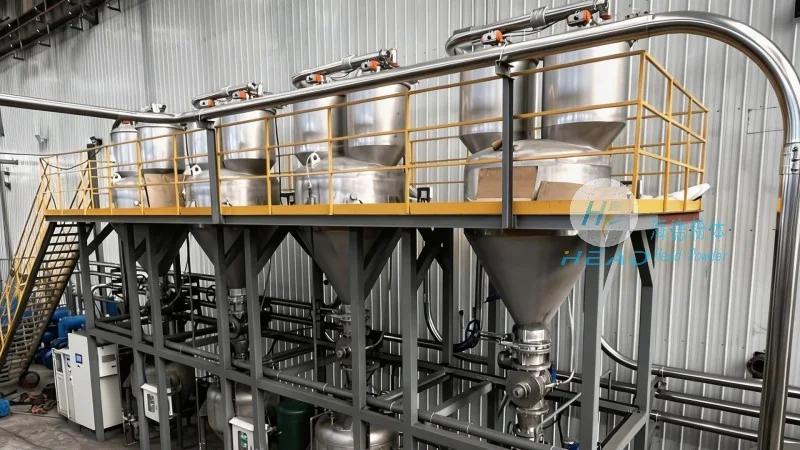
Applications and Benefits in Industrial Settings
Algae residue pellet pneumatic conveying finds extensive applications in various industrial sectors, particularly in the bioenergy and aquaculture industries. In bioenergy production, the technology is used to transport algae residue pellets from the cultivation tanks to the processing facilities, where they are converted into biofuels or other value-added products. This ensures a continuous and efficient supply of raw materials, which is critical for maintaining production rates. In aquaculture, the system helps in moving algae residue pellets from the harvesting area to the processing or disposal sites, reducing the risk of environmental contamination and improving operational safety. The benefits of using this technology in these applications include reduced labor costs, minimized material handling time, and improved overall productivity. Additionally, the system's ability to handle large volumes of material makes it suitable for scale-up operations, supporting the growth of industrial algae cultivation and processing.
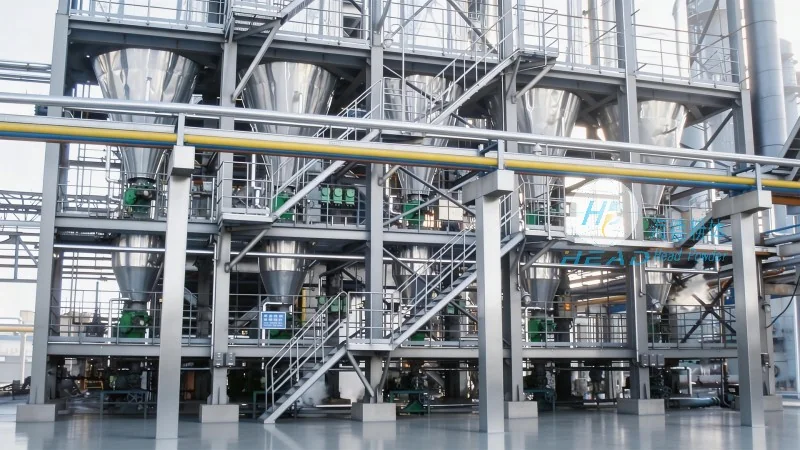
Technical Considerations and System Design
When designing an algae residue pellet pneumatic conveying system, several technical considerations must be taken into account to ensure optimal performance and longevity. First, the particle size and density of the algae residue pellets are critical factors. Larger or denser particles may require higher air velocities or more powerful pumps to maintain proper flow. Second, the distance and elevation changes between the start and end points of the conveying line affect the system's design. Longer distances or higher elevations may necessitate additional air pressure or energy input. Third, the system's material of construction is important, as it must be resistant to corrosion and wear from the algae residue pellets. Common materials include stainless steel and special alloys that can withstand the chemical and mechanical stresses of the material. Fourth, the control system plays a vital role in managing the conveying process. Advanced control systems can monitor air pressure, flow rate, and particle concentration in real-time, allowing for immediate adjustments to maintain system efficiency and prevent blockages. Finally, regular maintenance and inspection are essential to ensure the system operates reliably. This includes checking for air leaks, cleaning filters, and inspecting pipeline components for wear or damage.