

Working Principle and Characteristics of Sodium Sulfate Powder Pneumatic Conveying
For industries dealing with sodium sulfate powder, efficient and reliable material handling is crucial. Pneumatic conveying systems have emerged as a preferred solution, offering a range of benefits that enhance operational efficiency and safety. This article explores the working principle and key characteristics of sodium sulfate powder pneumatic conveying, providing insights into how such systems operate and why they are widely adopted in industrial applications.
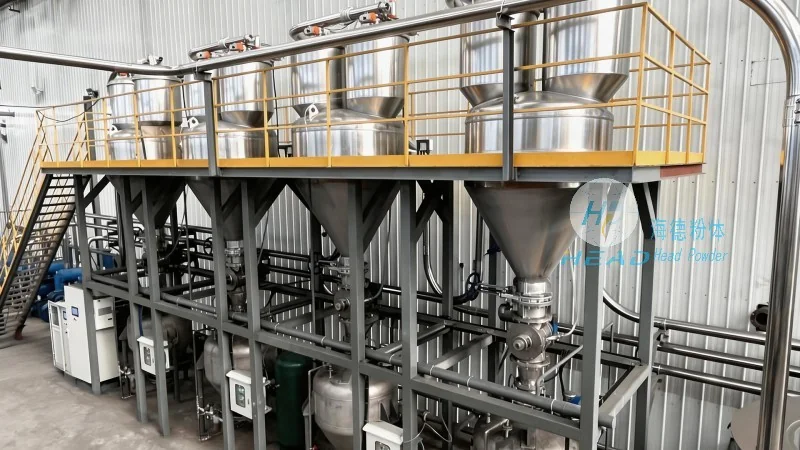
Working Principle of Sodium Sulfate Powder Pneumatic Conveying
The core of sodium sulfate powder pneumatic conveying lies in the use of compressed air or other inert gases to transport the powder through a network of pipes. The process typically involves several stages, starting with the feeding of the powder into a hopper or feeder. From there, the powder is drawn into the conveying line by the pressure differential created by the moving air. As the air flows through the pipeline, it lifts and propels the powder particles, maintaining a consistent flow rate. The system may employ different types of conveying, such as pressure or vacuum systems, depending on the specific requirements of the application. In pressure systems, the air is introduced at the discharge end, pushing the powder forward, while vacuum systems draw the powder from the source using negative pressure.
During the conveying process, the air velocity is carefully controlled to ensure that the powder particles remain suspended and do not settle or cause blockages. This requires precise engineering to maintain the appropriate air-to-solid ratio, which is critical for preventing material degradation and ensuring smooth operation. The system also includes components like cyclones or filters at the receiving end to separate the powder from the air, allowing for clean and efficient material recovery. This separation process is essential for maintaining product quality and preventing contamination.
Key Characteristics of Sodium Sulfate Powder Pneumatic Conveying
Several distinct characteristics make sodium sulfate powder pneumatic conveying an attractive option for industrial use. One of the primary advantages is its ability to handle fine powders without the need for mechanical components that might cause wear or contamination. The system is also highly flexible, allowing for changes in the conveying route or capacity without significant modifications. This adaptability is particularly valuable in dynamic production environments where process changes are frequent.
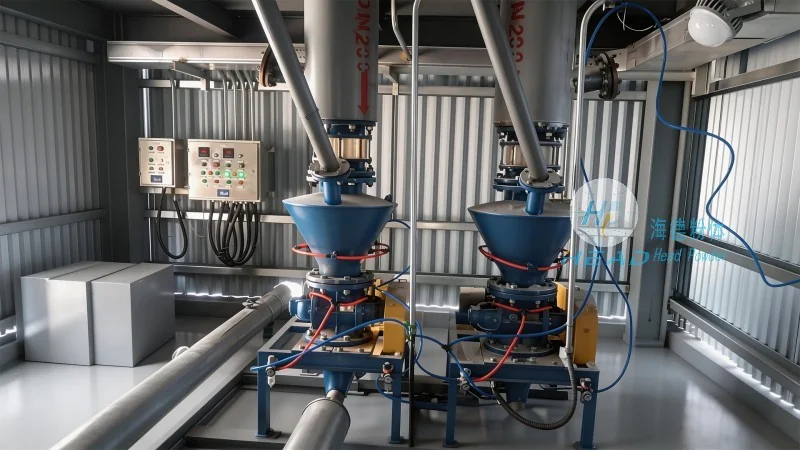
Another notable characteristic is the system's efficiency in terms of energy consumption and space utilization. Compared to traditional methods like belt conveyors or bucket elevators, pneumatic conveying often requires less floor space and can achieve higher throughput with lower operational costs. Additionally, the enclosed nature of the system helps to minimize dust emissions, contributing to a cleaner working environment and compliance with environmental regulations.
From a safety perspective, pneumatic conveying reduces the risk of dust explosions by containing the powder within a sealed system. The absence of moving parts in the conveying line also minimizes the potential for mechanical failure or maintenance issues. This reliability is crucial for continuous production operations, as downtime can have significant financial implications. Furthermore, the system's ability to handle abrasive or corrosive materials, such as sodium sulfate, without causing damage to the equipment makes it a durable and long-lasting solution.
Applications and Industry Impact
Sodium sulfate powder pneumatic conveying is widely used in various industries, including chemical manufacturing, food processing, and pharmaceuticals. In chemical plants, it facilitates the transport of raw materials and intermediates, ensuring a seamless supply chain. The food industry benefits from the system's ability to handle food-grade powders while maintaining hygiene standards. Similarly, in pharmaceutical applications, the enclosed and clean design of the system helps to prevent contamination, meeting stringent regulatory requirements.
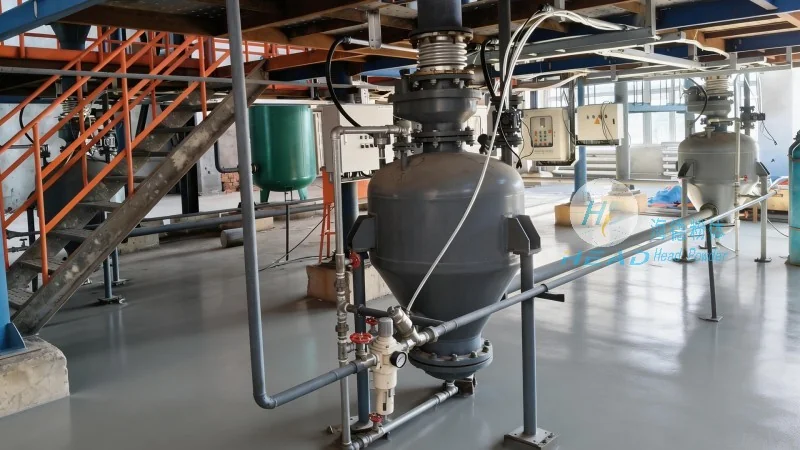
The adoption of such systems has led to improved productivity and reduced operational costs for many companies. By streamlining material handling processes, businesses can allocate resources more effectively and focus on core production activities. The reliability and efficiency of pneumatic conveying systems also contribute to enhanced product quality, as the risk of material degradation or contamination is minimized.
Conclusion and Company Overview
In conclusion, sodium sulfate powder pneumatic conveying offers a robust and efficient solution for handling fine powders in industrial settings. The working principle, which relies on compressed air to transport the material, combined with its key characteristics such as flexibility, energy efficiency, and safety, makes it a preferred choice for many applications. As industries continue to seek innovative solutions for material handling, pneumatic conveying systems remain a vital component of modern production processes.
Shandong HeadPowder Engineering Co., Ltd., a leading provider in the field, specializes in designing and manufacturing customized pneumatic conveying systems tailored to the specific needs of clients. With a focus on quality and innovation, the company has established itself as a trusted partner for businesses seeking reliable and efficient material handling solutions. Based in Shandong, China, HeadPowder leverages its expertise to deliver cutting-edge technology that enhances operational performance and sustainability. Whether for sodium sulfate or other powder materials, the company's solutions are engineered to meet the highest standards of performance and safety.