

Working Principle and Characteristics of Polyacrylamide Pneumatic Conveying
Understanding the working principle and characteristics of polyacrylamide pneumatic conveying is crucial for industries that rely on efficient material handling solutions. This article provides a detailed overview, focusing on the technical aspects and practical applications of this technology, while highlighting the expertise of Shandong HeadPowder Engineering Co., Ltd., a leading provider based in China.
Introduction to Polyacrylamide Pneumatic Conveying
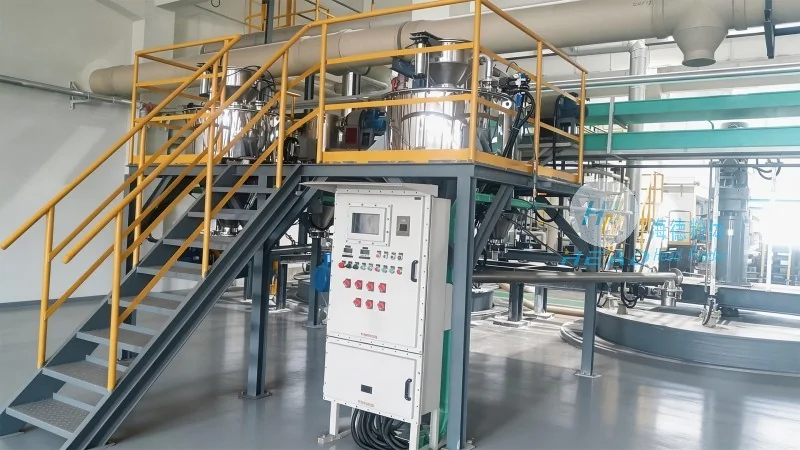
Polyacrylamide, a versatile polymer, is widely used in various industrial processes, including water treatment, paper manufacturing, and mineral processing. When combined with pneumatic conveying systems, it enables the efficient transport of powders and granules over long distances. The system operates by using air or gas to move the material through a pipeline, ensuring minimal dust generation and improved safety compared to traditional methods.
Working Principle of Polyacrylamide Pneumatic Conveying
The core of polyacrylamide pneumatic conveying involves several key components and processes. The system typically consists of a hopper, a conveyor line, a blower or compressor, and a collection bin. The polyacrylamide powder is fed into the hopper, where it is mixed with air or gas under controlled pressure. The air stream then propels the material through the pipeline, maintaining a consistent flow rate. The velocity of the air is critical; it must be sufficient to overcome the gravitational and frictional forces acting on the particles, ensuring stable transport without causing excessive wear on the system components.
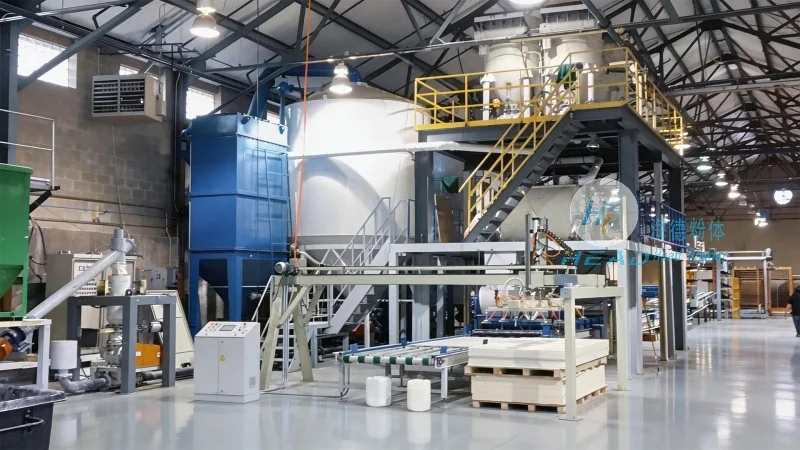
During the conveying process, the polyacrylamide particles are suspended in the air stream, creating a dilute or dense phase flow. The choice between dilute and dense phase conveying depends on the material properties, such as particle size, density, and moisture content. Dilute phase systems use higher air velocities and lower material concentrations, while dense phase systems operate at lower velocities with higher material loads. This flexibility allows for adaptation to different industrial requirements, optimizing both efficiency and cost-effectiveness.
Key Characteristics of Polyacrylamide Pneumatic Conveying
Several distinct characteristics define the performance of polyacrylamide pneumatic conveying systems. One of the primary advantages is the ability to handle fine powders and granules that are difficult to transport using traditional methods like belt conveyors or screw conveyors. The air-based system minimizes product degradation and contamination, preserving the quality of the polyacrylamide material. Additionally, the system offers excellent dust control, as the material is enclosed within the pipeline, reducing airborne particles and improving workplace safety.
Another significant characteristic is the system's scalability. Polyacrylamide pneumatic conveying can be designed for small-scale applications, such as laboratory settings, or large-scale industrial operations, such as bulk material handling in manufacturing plants. The modular design allows for easy expansion or integration with existing infrastructure, making it a versatile solution for various production needs. Furthermore, the system provides real-time monitoring capabilities, enabling operators to adjust air pressure, flow rate, and material feed rates to maintain optimal performance and prevent system failures.
Applications and Benefits in Industrial Settings
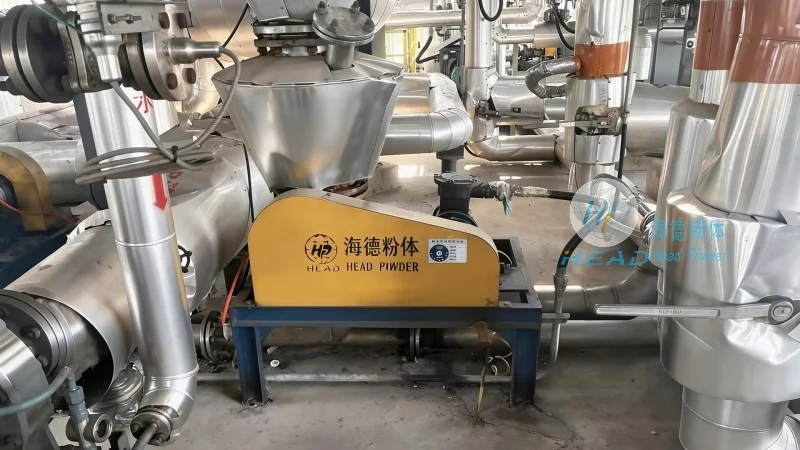
Polyacrylamide pneumatic conveying is widely adopted in industries where efficient material transport is essential. In the water treatment sector, it facilitates the transport of coagulants and flocculants, improving the efficiency of the treatment process. In the paper industry, it helps in conveying additives and fillers, enhancing the quality of paper products. The technology also finds applications in the mining and mineral processing industries, where it is used to transport fine minerals and chemicals. The benefits of this system extend beyond material handling, including reduced labor costs, minimized downtime, and enhanced product quality due to the controlled environment.
Conclusion and Company Overview
Overall, polyacrylamide pneumatic conveying represents a sophisticated and efficient solution for material handling in various industrial applications. Its working principle, characterized by air-based transport and controlled flow, combined with its distinct characteristics like dust control and scalability, makes it a preferred choice for many industries. Shandong HeadPowder Engineering Co., Ltd., with its headquarters in China, specializes in providing high-quality polyacrylamide products and pneumatic conveying systems, leveraging years of experience to deliver reliable and effective solutions to its clients. The company's commitment to innovation and customer satisfaction ensures that its products meet the evolving needs of the industrial sector, supporting sustainable and efficient operations.