

Working Principle and Features of Desulfurization Fly Ash Pneumatic Conveying System
Desulfurization fly ash, a byproduct of flue gas desulfurization processes in power plants and industrial facilities, requires efficient handling and transportation for reuse or disposal. Pneumatic conveying systems have emerged as a reliable solution for managing this material, offering advantages in terms of safety, environmental impact, and operational efficiency. This article explores the working principle and key features of such systems, highlighting their application in modern industrial settings.
Working Principle of Pneumatic Conveying Systems for Desulfurization Fly Ash
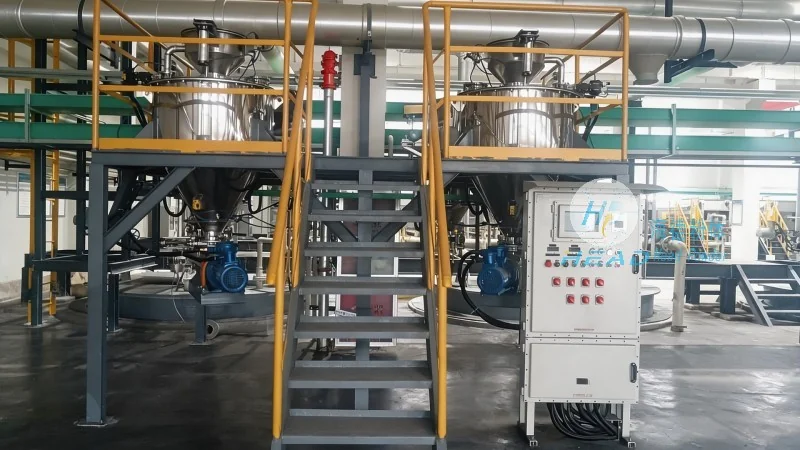
The core mechanism of a pneumatic conveying system involves the use of compressed air or gas to transport solid materials like desulfurization fly ash through a pipeline network. The process typically operates under either positive or negative pressure, depending on the system design and material characteristics. In positive pressure systems, air is forced through the pipeline, carrying the fly ash particles along with it. Conversely, negative pressure systems draw the material into the pipeline using a vacuum. The system comprises several key components, including a material feeder, a conveying line, a separation unit, and a receiver. The material feeder ensures a consistent flow of fly ash into the system, while the conveying line transports the material to the desired location. The separation unit, often a cyclone or filter, separates the fly ash from the air stream, allowing the air to be recirculated or discharged. The receiver collects the processed fly ash for further use or disposal. The entire process is controlled by a system of valves, sensors, and control panels to maintain optimal pressure, flow rate, and material transport efficiency.
Key Features and Advantages of Desulfurization Fly Ash Pneumatic Conveying Systems
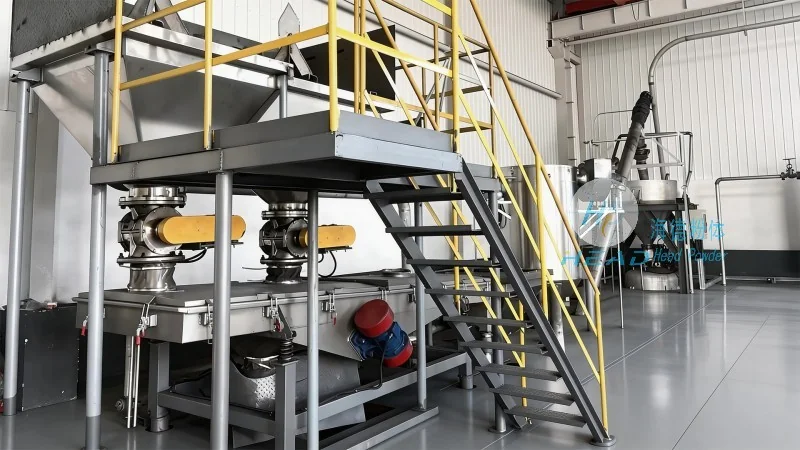
Several distinct features make pneumatic conveying systems particularly suitable for handling desulfurization fly ash. Firstly, these systems provide a closed-loop operation, which minimizes dust emissions and environmental contamination, aligning with stringent industrial regulations. This is crucial for maintaining air quality and preventing the spread of particulate matter. Secondly, the systems offer high flexibility in terms of layout and integration with existing plant infrastructure. They can be customized to fit various plant sizes and configurations, allowing for seamless integration into existing processes. Thirdly, pneumatic conveying systems are known for their ability to handle a wide range of material properties, including varying particle sizes, moisture content, and bulk density of desulfurization fly ash. This adaptability ensures consistent performance even with fluctuating material characteristics. Additionally, the systems are generally low-maintenance, with fewer moving parts compared to mechanical conveying systems, reducing operational downtime and maintenance costs. The use of compressed air also allows for precise control over the conveying rate, ensuring that the fly ash is transported at the optimal speed to prevent material degradation or blockages. Furthermore, the closed system design enhances safety by preventing the release of hazardous particles into the workplace environment, reducing the risk of respiratory issues or other health hazards associated with handling fly ash.
Application and Integration in Industrial Settings
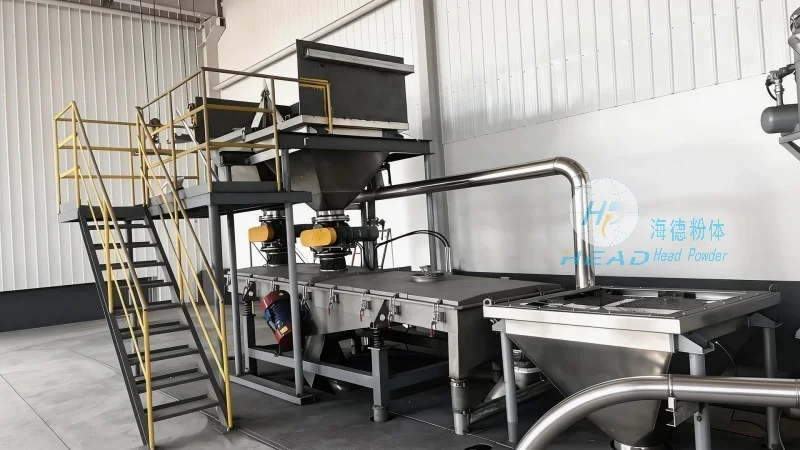
Pneumatic conveying systems for desulfurization fly ash are widely used in power plants, cement factories, and other industrial facilities where fly ash is generated as a byproduct. The systems are typically integrated into the existing flue gas treatment process, where the fly ash is collected from the desulfurization unit and transported to storage silos or processing facilities. In power plants, for example, the system may be used to transfer fly ash from the scrubber to a storage silo for later use as a supplementary cementitious material in concrete production. The integration of these systems ensures a continuous and efficient flow of materials, supporting the overall operational efficiency of the plant. The systems are also designed to be compatible with various downstream processes, such as blending, mixing, or packaging, allowing for the seamless transition from material collection to final use. This integration capability is a significant advantage, as it reduces the need for multiple handling steps and minimizes the risk of material loss or contamination.
Company Overview: Shandong HeadPowder Engineering Co., Ltd.
Shandong HeadPowder Engineering Co., Ltd., a leading provider of industrial material handling solutions, specializes in the design, manufacturing, and installation of pneumatic conveying systems for various applications, including desulfurization fly ash management. With years of experience in the industry, the company has developed a comprehensive range of products tailored to meet the specific needs of clients in power generation, cement, and other industrial sectors. The company's expertise lies in understanding the unique challenges associated with handling desulfurization fly ash, such as its fine particle size, high moisture content, and potential for dust generation. By leveraging advanced engineering and material science, HeadPowder has developed systems that are robust, efficient, and environmentally friendly. The company's commitment to quality and customer satisfaction is reflected in its adherence to international standards and rigorous testing protocols. HeadPowder's team of experienced engineers and technicians work closely with clients to provide customized solutions that address their specific operational requirements and regulatory compliance needs. The company's facilities in Shandong, China, are equipped with state-of-the-art manufacturing equipment and testing facilities, ensuring that each system is built to the highest standards of quality and performance.
Conclusion and Future Trends
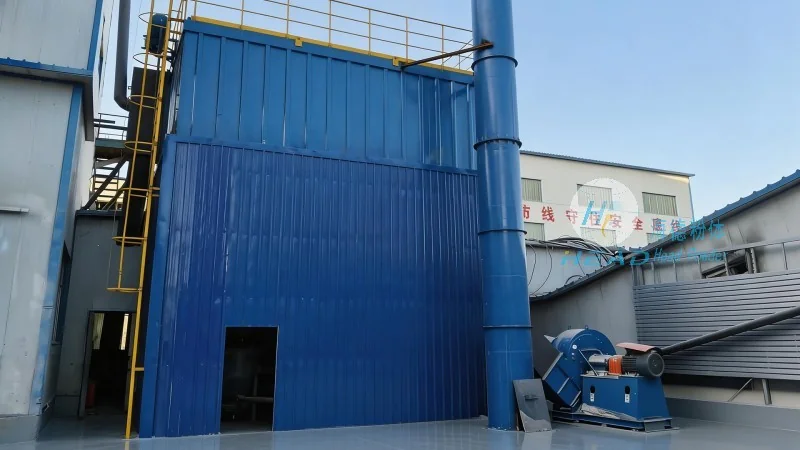
Pneumatic conveying systems represent a sophisticated and effective solution for the handling of desulfurization fly ash, offering significant advantages in terms of efficiency, safety, and environmental compliance. As industrial facilities continue to prioritize sustainable practices and regulatory adherence, the demand for advanced material handling systems is expected to grow. The integration of these systems with emerging technologies, such as automation and IoT (Internet of Things), is likely to further enhance their performance and reliability. Companies like Shandong HeadPowder Engineering Co., Ltd. play a crucial role in advancing these technologies, providing tailored solutions that meet the evolving needs of the industry. By investing in such systems, industrial facilities can improve their operational efficiency, reduce costs, and contribute to a more sustainable future.