

Working Principle and Features of Fermented Grain (Malt) Pneumatic Conveying System
For professionals in the brewing and food processing sectors, understanding the mechanics and benefits of a fermented grain pneumatic conveying system is essential for optimizing production efficiency and maintaining product quality. This article provides a detailed exploration of the core components, operational principles, and distinctive characteristics of such systems, offering a comprehensive overview for industry stakeholders seeking reliable and efficient material handling solutions.
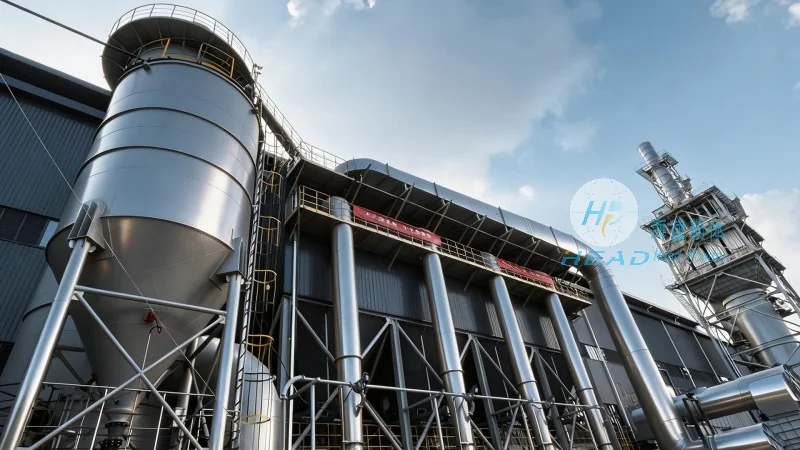
Overview of Fermented Grain Pneumatic Conveying Systems
A fermented grain pneumatic conveying system is a specialized equipment setup engineered to transport malt or other fermented grain materials between different locations within a production facility. Unlike conventional mechanical conveyors, this system leverages compressed air or gas streams to move bulk materials through a network of pipes, hoses, or ducts. The technology is widely adopted in breweries, distilleries, and food processing plants due to its capability to handle delicate, moisture-sensitive, or dusty materials without causing degradation or contamination.
Working Principle of the System
The fundamental working principle of a pneumatic conveying system for fermented grains revolves around creating a pressure differential between the inlet and outlet of the conveying line. Typically, the system operates in either positive pressure or negative pressure modes, depending on the application and material characteristics. In positive pressure systems, compressed air is introduced at the material feed point, generating an upward or horizontal flow that propels the grains through the pipeline. The air and material mixture travels through the system, with the air providing the necessary force to overcome friction and gravity. At the discharge point, the air is separated from the material, often using a cyclone separator or filter, allowing the fermented grain to be deposited into the target container or processing unit.
Key components in this process include the material hopper, which holds the fermented grain; the air compressor or blower, which generates the pressure; the conveying line (usually constructed from stainless steel or other corrosion-resistant materials to accommodate the acidic or moisture-rich environment of fermented grains); and the control valves and sensors that regulate the flow rate and pressure. The system is designed to maintain consistent air velocity and pressure to ensure smooth and continuous material transport, minimizing the risk of blockages or material degradation.
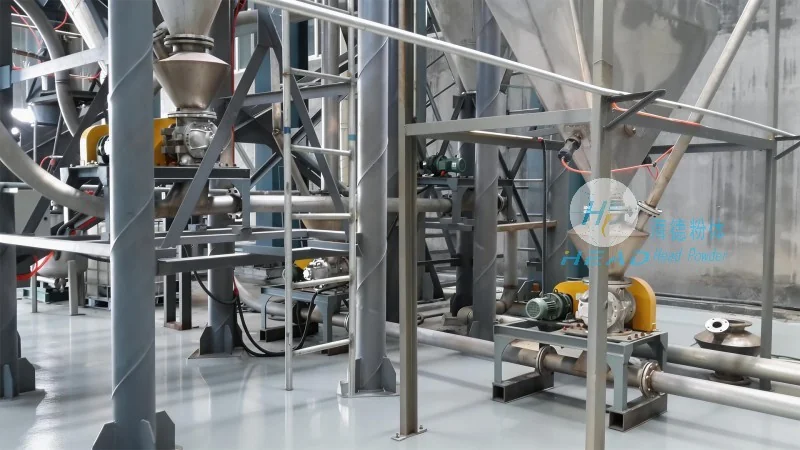
Key Features and Advantages
One of the most significant advantages of a fermented grain pneumatic conveying system is its ability to handle delicate materials without causing breakage or loss of quality. The air cushion created during transport reduces impact and abrasion, preserving the integrity of the malt or other fermented grains. This is particularly critical in the brewing industry, where the quality of the grain directly impacts the flavor and aroma of the final product.
Another key feature is the system's flexibility in terms of layout and integration. Pneumatic conveyors can be installed in various configurations—horizontal, vertical, or a combination of both—allowing for customized solutions that fit the specific spatial constraints of a production facility. This adaptability makes it easier to integrate the system into existing production lines without major structural modifications.
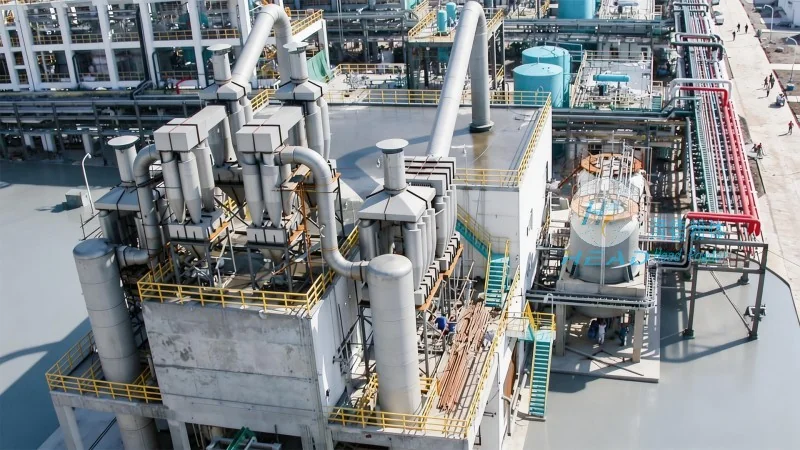
The system also offers improved hygiene and sanitation compared to traditional mechanical conveyors. Since there are no moving parts in direct contact with the material, the risk of contamination is significantly reduced. The stainless steel construction and easy-to-clean design facilitate regular maintenance and compliance with food safety regulations, which is essential for industries like brewing and food processing.
Efficiency is another major benefit. Pneumatic conveying systems can transport materials over longer distances and at higher speeds compared to mechanical alternatives, reducing overall production time and labor costs. The ability to control the flow rate and pressure precisely allows for better management of inventory and production schedules, enhancing operational flexibility.
Company Information
Shandong HeadPowder Engineering Co., Ltd., a leading manufacturer in the field, specializes in the design, manufacturing, and installation of advanced pneumatic conveying systems tailored to the needs of the brewing and food processing industries. With a focus on quality and innovation, the company provides customized solutions that meet the unique requirements of each client, ensuring optimal performance and reliability.