

Working Principle and Features of Food Pneumatic Conveying Systems
Food processing industries increasingly rely on efficient and hygienic material handling solutions to maintain product quality and operational efficiency. Among the various technologies available, food pneumatic conveying systems have emerged as a preferred choice for transporting bulk food products. This article explores the working principle and key features of such systems, highlighting their significance in modern food processing operations.
Introduction to Food Pneumatic Conveying Systems
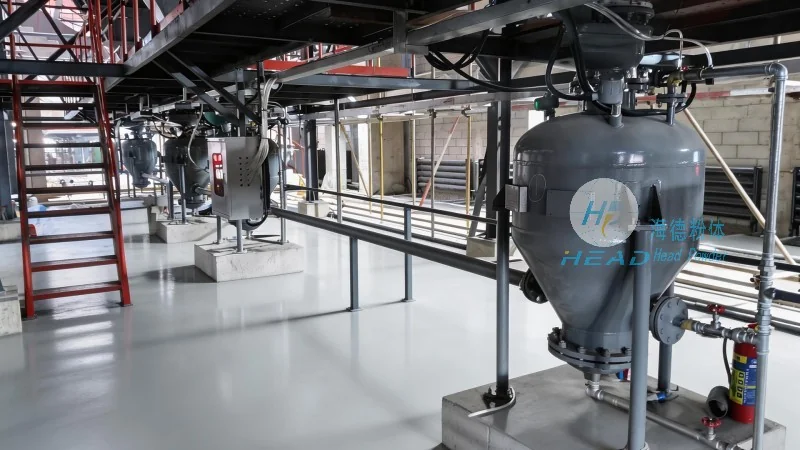
Food pneumatic conveying systems are mechanical devices designed to transport dry or semi-dry food materials through a pipeline using air or gas as the conveying medium. Unlike traditional mechanical conveyors, these systems eliminate the need for physical contact between the product and the conveyor components, ensuring that the food remains uncontaminated and retains its quality. The technology is widely used in the food industry for handling powders, granules, and other bulk food items, including flour, sugar, coffee, and spices.
Working Principle of Pneumatic Conveying Systems
The core working principle of a food pneumatic conveying system involves the creation of a pressure differential within the conveying pipeline. The system typically consists of a hopper for material storage, a blower or compressor to generate airflow, and a pipeline network that transports the food product. When the system is activated, the blower draws air from the environment and forces it through the pipeline at a high velocity. As the air flows, it entrains the food particles, carrying them along the pipeline to the discharge point. The pressure and velocity of the air are carefully controlled to ensure optimal conveying efficiency and minimal product degradation.
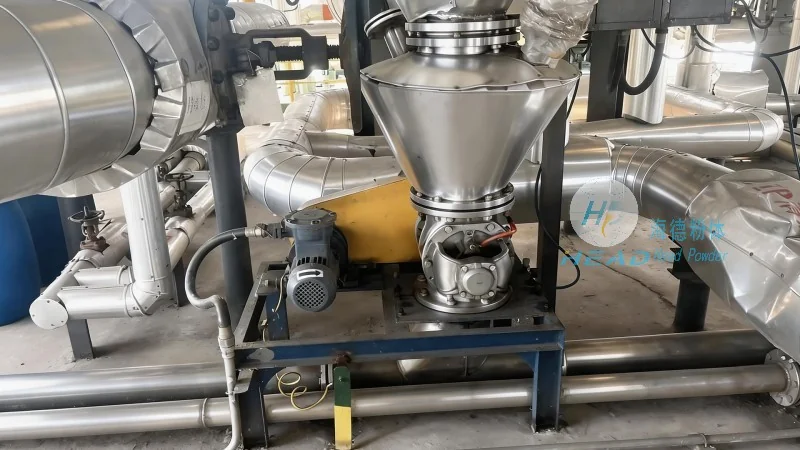
There are two main types of pneumatic conveying systems based on the pressure used: positive pressure and negative pressure. Positive pressure systems operate by blowing air into the pipeline, pushing the material forward. Negative pressure systems, also known as vacuum systems, create a vacuum in the pipeline, pulling the material from the source. For food applications, positive pressure systems are more common due to their ability to handle a wider range of materials and their lower risk of product contamination from external air ingress.
Key Features of Food Pneumatic Conveying Systems
Food pneumatic conveying systems offer several distinct advantages that make them ideal for food processing environments. First, they provide a completely enclosed and hygienic conveying process, which is crucial for maintaining food safety standards. The absence of moving parts in contact with the product reduces the risk of contamination and cross-contamination, ensuring that the food remains free from bacteria, dust, or other contaminants. Second, these systems are highly flexible and can be easily integrated into existing production lines. They can transport materials over long distances and through multiple processing stages without the need for additional equipment or manual handling.
Another key feature is the ability to handle a wide variety of food products, from fine powders to larger granules. The system's design can be adjusted to accommodate different particle sizes and flow characteristics, making it versatile for diverse food applications. Additionally, pneumatic conveying systems are energy-efficient compared to traditional mechanical conveyors, as they use air as the primary energy source, reducing operational costs and environmental impact.
Application Scenarios and Advantages
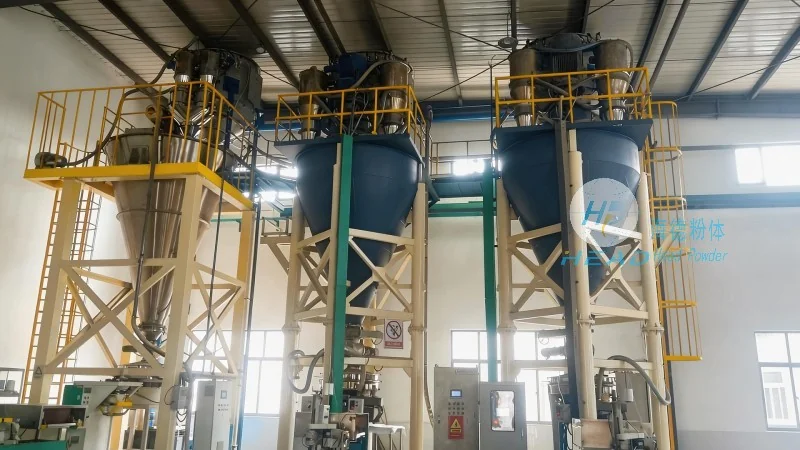
Food pneumatic conveying systems are widely used in various food processing applications. In flour mills, they efficiently transport raw flour from storage silos to processing equipment. In sugar refineries, they handle granulated sugar, ensuring smooth and continuous production. Coffee and spice processors also benefit from these systems, as they can transport delicate and sensitive products without damage. The advantages of these systems include improved product quality, reduced labor costs, and enhanced operational efficiency. By eliminating manual handling and reducing the risk of product contamination, food pneumatic conveying systems contribute to higher overall productivity in food processing facilities.
Company Profile: Shandong HeadPowder Engineering Co., Ltd.
Shandong HeadPowder Engineering Co., Ltd., commonly known as HeadPowder, is a leading manufacturer of food processing equipment, specializing in the design and production of pneumatic conveying systems. With a strong commitment to quality and innovation, HeadPowder has established itself as a trusted partner in the food industry, providing reliable and efficient solutions for material handling challenges. The company's products are designed to meet the stringent hygiene and safety standards required by food processing regulations, ensuring that they are suitable for handling a wide range of food products. HeadPowder's expertise in pneumatic conveying technology, combined with its focus on customer needs, makes it a preferred choice for food processing companies seeking to enhance their operational efficiency and product quality.