

Working Principle and Features of PTA Powder Pneumatic Conveying Equipment
PTA (Polyethylene Terephthalate Acid) powder is a crucial raw material in the production of polyester fibers and resins. The efficient and reliable transportation of PTA powder from storage to processing units is essential for maintaining production efficiency and product quality. PTA powder pneumatic conveying equipment is a specialized system designed to handle this task, offering a solution that combines performance, safety, and operational flexibility.
Working Principle of PTA Powder Pneumatic Conveying Equipment
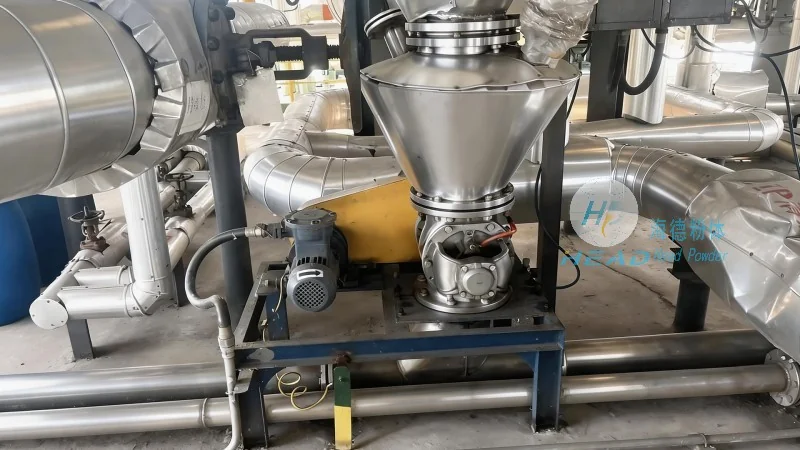
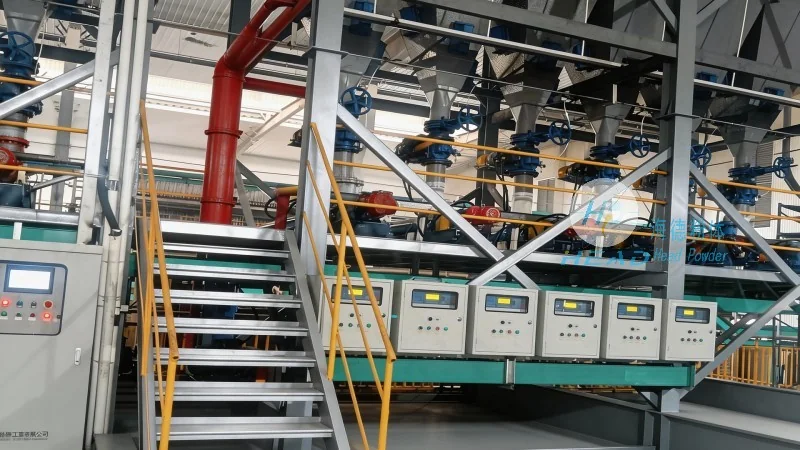
The core of PTA powder pneumatic conveying equipment lies in the use of air as the conveying medium. This system operates by creating a pressure differential or vacuum to move the powder through a pipeline. There are two primary modes of operation: suction (or vacuum) conveying and pressure conveying. In suction conveying, a vacuum is created at the material inlet to draw the PTA powder into the pipeline, where it is then carried by the airflow to the destination. This method is ideal for applications where the material needs to be transported from a lower elevation or over a relatively short distance. Pressure conveying, on the other hand, uses compressed air to push the powder through the pipeline. This approach is suitable for longer distances or when the material must be elevated to a higher level. The choice between these modes depends on factors such as the distance between the source and destination, the height difference, and the specific characteristics of the PTA powder, including its density, flowability, and moisture content.
Key Features of PTA Powder Pneumatic Conveying Equipment
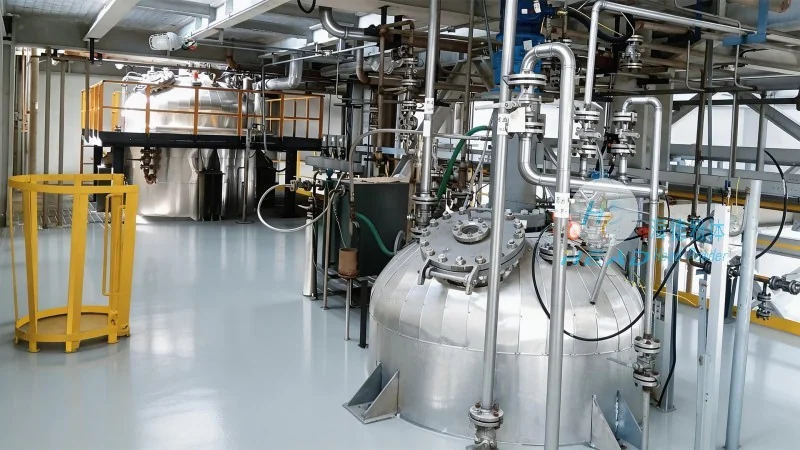
Shandong HeadPowder Engineering Co., Ltd. specializes in designing and manufacturing high-quality PTA powder pneumatic conveying systems that are tailored to meet the unique requirements of various industrial applications. The equipment from HeadPowder is characterized by several key features that enhance its performance and reliability. First, the system is engineered for high efficiency, ensuring minimal material loss and consistent flow rates. This is achieved through the use of optimized pipeline designs, appropriate air velocity control, and effective separation mechanisms to prevent particle degradation or agglomeration. Second, the equipment is built with a focus on safety and environmental compliance. PTA powder is a fine, potentially hazardous material, and the system incorporates features such as dust collection and filtration to minimize airborne particulates and comply with industrial safety standards. Third, the design emphasizes ease of maintenance and operation. Modular components and user-friendly controls allow for quick adjustments and routine maintenance, reducing downtime and operational costs. Additionally, the equipment is constructed from materials that are resistant to corrosion and wear, ensuring a long service life even in harsh industrial environments.
Application Benefits and Performance Metrics
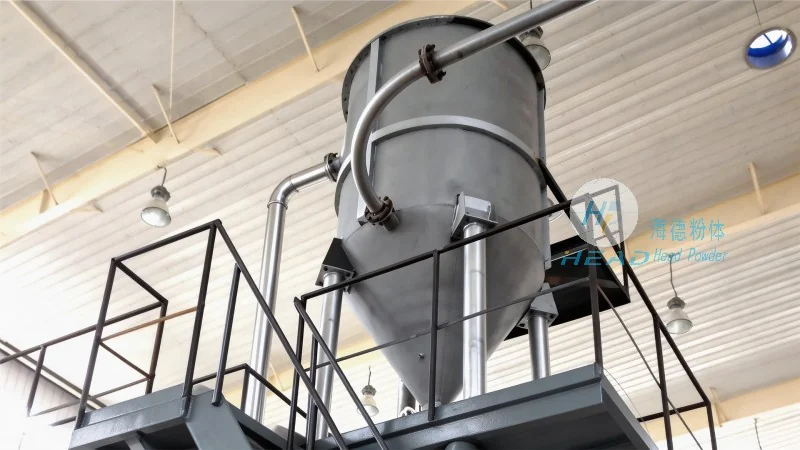
The implementation of PTA powder pneumatic conveying equipment brings significant benefits to industrial operations. By eliminating the need for traditional bulk handling methods such as belt conveyors or bucket elevators, the system reduces the risk of material contamination and improves product purity. The enclosed pipeline design also minimizes exposure to environmental factors, such as moisture or dust, which can affect the quality of the PTA powder. From a performance perspective, the system offers high throughput rates, with the ability to transport large volumes of PTA powder in a short period. This efficiency is crucial for maintaining production schedules and meeting market demands. Furthermore, the system's flexibility allows for integration with existing production lines, making it a cost-effective solution for upgrading or expanding material handling capabilities. The reliability of the equipment, with low maintenance requirements and consistent performance, contributes to overall operational stability and reduced production costs.