

Working Principle and Features of Plug-Type Powder Pneumatic Conveying Systems
Plug-type powder pneumatic conveying systems represent a sophisticated approach to material handling, particularly for fine powders and granular materials. This technology, developed by Shandong HeadPowder Engineering Co., Ltd. based in China, offers an efficient solution for transporting bulk powders over long distances with minimal loss and energy consumption.
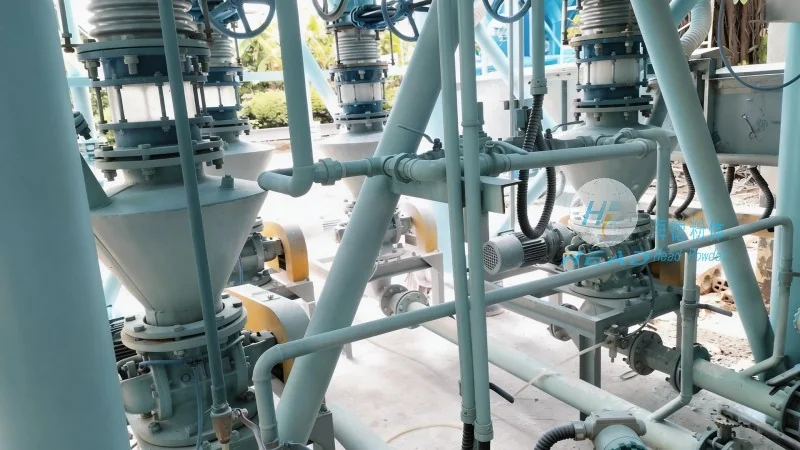
Working Principle of Plug-Type Powder Pneumatic Conveying Systems
The core mechanism of plug-type powder pneumatic conveying involves the use of compressed air to create and propel "plugs"—dense, slug-like columns of powder within the conveying pipeline. Unlike traditional pneumatic systems that rely on a continuous stream of air and material, plug-type systems utilize intermittent air pulses to form these plugs. The process begins with the powder being fed into the pipeline at the inlet, where it is initially mixed with a controlled amount of compressed air. As the air pressure increases, the powder particles are compressed into a compact, solid-like plug. This plug then travels through the pipeline under the pressure of the compressed air, maintaining its integrity and preventing the powder from dispersing or adhering to the pipe walls. At the discharge end, the plug is released by reducing the air pressure, allowing the powder to be deposited into the receiving container. The system operates on a cycle of plug formation, transport, and release, ensuring a steady and controlled flow of material.
Key Features and Advantages of Plug-Type Powder Pneumatic Conveying Systems
Plug-type powder pneumatic conveying systems offer several distinct advantages that make them ideal for various industrial applications. One of the most significant benefits is the high efficiency in material transport, as the dense plugs minimize the air-to-material ratio, reducing energy consumption compared to other pneumatic conveying methods. This leads to lower operational costs and improved overall system performance. Additionally, the system is highly effective in handling fine and cohesive powders, which are often challenging to transport using traditional systems due to issues like dusting or blockage. The plug formation process prevents powder degradation and maintains the material's integrity throughout the conveying process. Another key feature is the low material loss and minimal product contamination, as the plug structure reduces the contact between powder and the pipe interior, minimizing wear and tear. The system also offers flexibility in terms of pipeline layout, as it can handle both horizontal and vertical transport with equal efficiency. Furthermore, plug-type systems are relatively simple in design, requiring fewer components and less maintenance compared to more complex conveying solutions. This simplicity translates into lower installation costs and easier operation for industrial facilities.
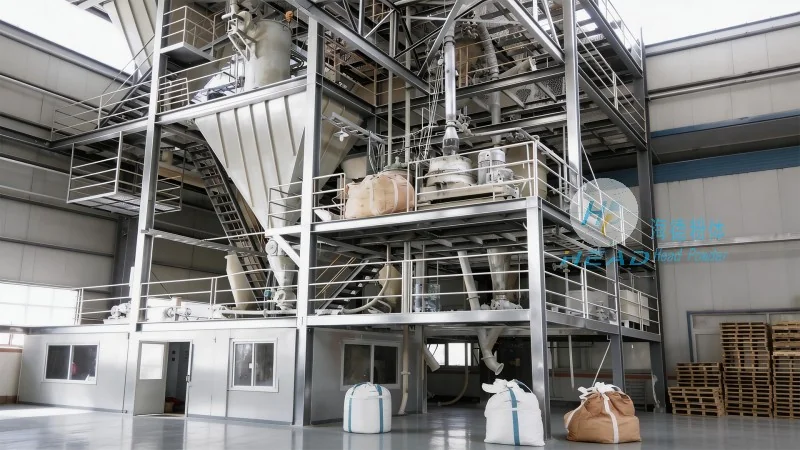
Applications and Industries Utilizing Plug-Type Powder Pneumatic Conveying Systems
Plug-type powder pneumatic conveying systems are widely used across multiple industries where the handling of bulk powders is critical. In the chemical industry, these systems are employed for transporting raw materials such as powders, granules, and fine chemicals, ensuring consistent and contamination-free delivery to processing units. The food and pharmaceutical sectors also benefit from this technology, as it provides a hygienic and efficient means of moving ingredients and products while maintaining strict quality standards. The mining and mineral processing industry utilizes plug-type systems for transporting ore and other mineral powders from extraction sites to processing plants, improving operational efficiency and reducing transportation costs. Additionally, in the cement and construction materials industry, these systems are used for conveying raw materials like limestone, clinker, and other powders, contributing to the production of high-quality cement and concrete. The versatility of plug-type powder pneumatic conveying makes it suitable for a wide range of applications, from small-scale laboratory operations to large-scale industrial production lines.
Technical Specifications and Customization Options
Shandong HeadPowder Engineering Co., Ltd. offers plug-type powder pneumatic conveying systems with customizable technical specifications to meet the specific needs of different industrial applications. The systems can be designed with varying pipeline diameters, lengths, and pressure ratings to accommodate different material types and transport distances. The company provides options for both positive and negative pressure operation, allowing flexibility in system integration with existing facilities. Additionally, the conveying systems can be equipped with advanced control systems, including pressure sensors, flow meters, and automated feeding mechanisms, to ensure precise and reliable operation. Customization also extends to the materials used for the pipeline and components, with options for stainless steel, plastic, or other corrosion-resistant materials to suit the specific requirements of the transported powders. The company's engineering team works closely with clients to design and implement tailored solutions that optimize performance, reduce costs, and enhance safety in material handling operations.
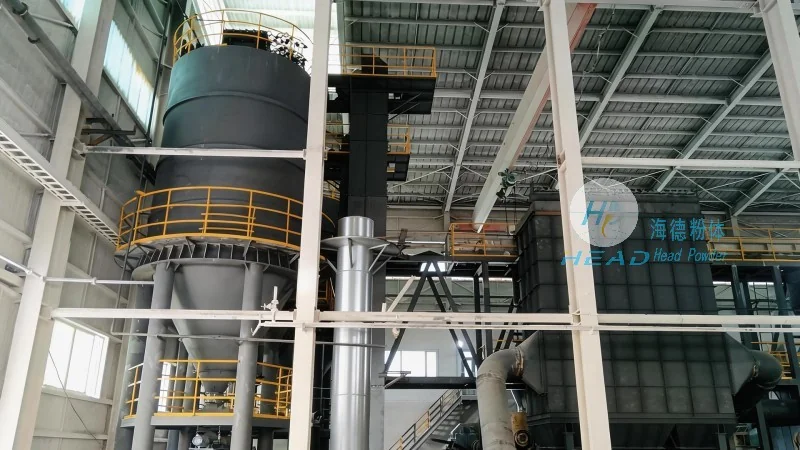
Maintenance and Operational Considerations
Proper maintenance and operational practices are essential for maximizing the efficiency and longevity of plug-type powder pneumatic conveying systems. Regular inspection of the pipeline and components is crucial to detect and address any signs of wear, corrosion, or blockage. The system should be cleaned periodically to remove accumulated powder and prevent clogging, especially in systems handling cohesive or sticky powders. The compressed air system must be maintained to ensure consistent pressure and quality, as fluctuations can affect plug formation and transport efficiency. Additionally, the feeding equipment, such as hoppers and feeders, should be checked regularly to ensure proper material flow and prevent overloading or underloading of the pipeline. Proper training of operators on the system's operation and maintenance is also important to ensure safe and efficient use. By following these guidelines, industrial facilities can ensure the reliable and long-term operation of plug-type powder pneumatic conveying systems, minimizing downtime and maximizing productivity.
Conclusion and Future Outlook
Plug-type powder pneumatic conveying systems, developed by Shandong HeadPowder Engineering Co., Ltd. in China, represent a highly effective and efficient solution for the transport of bulk powders. The technology's ability to form dense plugs, minimize energy consumption, and maintain material integrity makes it a preferred choice for various industrial applications. As industries continue to demand more efficient and sustainable material handling solutions, plug-type systems are likely to play an increasingly important role in the future of bulk material transport. With ongoing advancements in technology and customization options, these systems will continue to evolve, offering even greater efficiency and versatility for industrial operations worldwide.