

Working Principle and Features of PP Pellet Material Pneumatic Conveying Systems
HeadPowder, a prominent engineering firm headquartered in Shandong, China, specializes in the development and deployment of advanced pneumatic conveying systems tailored for polypropylene (PP) pellet materials. These systems are engineered to efficiently transport PP pellets from storage silos or hoppers to processing units, such as extruders or mixers, while minimizing material loss and ensuring consistent flow rates. The technology is widely adopted in the plastics industry due to its ability to handle bulk materials with precision and reliability.
Working Principle of PP Pellet Pneumatic Conveying Systems
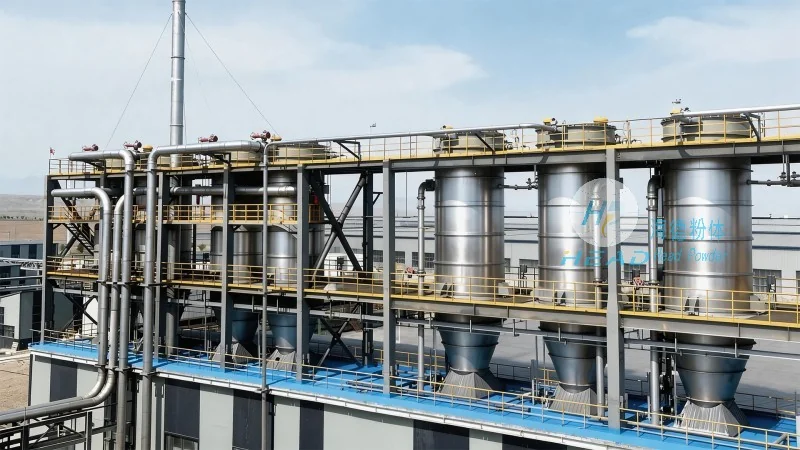
The operation of a PP pellet pneumatic conveying system is based on the principles of fluid dynamics and air movement. The system typically consists of a blower or compressor that generates a high-pressure airflow, which creates a pressure differential between the inlet and outlet of the conveying line. The PP pellets are introduced into the system via a feeder, which may be a rotary valve or a screw feeder, ensuring a controlled and steady supply of material. As the pellets enter the conveying line, they are entrained by the airflow and carried to the destination point. The conveying line, often constructed from stainless steel or other corrosion-resistant materials, is designed to withstand the abrasive nature of PP pellets and prevent material buildup. At the receiving end, a hopper or silo collects the pellets, while a dust collection system, such as a cyclone or baghouse, filters out any airborne particles, maintaining a clean and safe environment. The entire process is driven by the air pressure, which can be adjusted to optimize the conveying speed and efficiency.
Key Features and Advantages of PP Pellet Pneumatic Conveying Systems
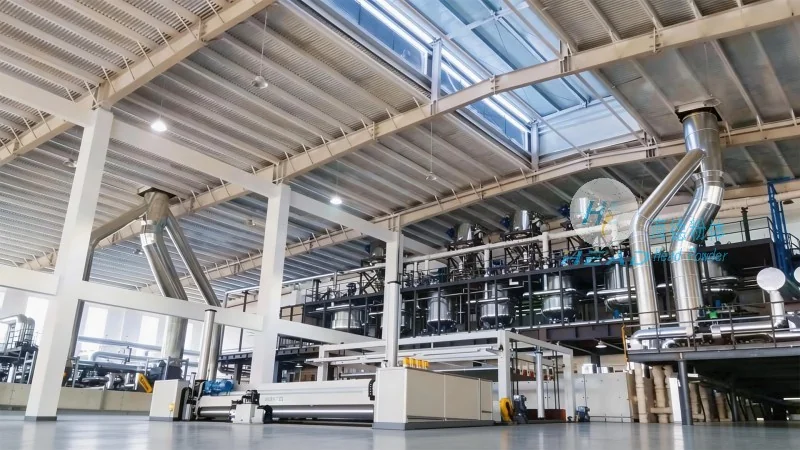
PP pellet pneumatic conveying systems offer several key features that enhance their performance and suitability for industrial applications. One of the most significant advantages is their high material handling capacity, allowing for the transport of large volumes of PP pellets with minimal space requirements. The systems are also highly flexible, enabling multiple transfer points and integration with existing production lines without major modifications. Another critical feature is their ability to handle abrasive materials like PP pellets without excessive wear on components, thanks to the use of durable materials and proper design. This results in lower maintenance costs and longer equipment lifespan. Additionally, these systems provide excellent dust control, reducing the risk of respiratory issues and ensuring compliance with environmental regulations. The automation capabilities of modern pneumatic conveying systems further enhance operational efficiency, with programmable feeders and control panels allowing for precise control over the conveying process. This automation minimizes human error, ensures consistent material flow, and improves overall product quality. Furthermore, the systems are energy-efficient, as they use compressed air to move materials, which can be optimized to reduce energy consumption while maintaining performance. The low noise levels and compact design of these systems also contribute to a safer and more comfortable working environment.
Applications and Industries Served
PP pellet pneumatic conveying systems are widely used in various industries that rely on the efficient transport of plastic pellets. The primary applications include the plastics manufacturing sector, where they are used to move PP pellets from storage to extrusion lines for manufacturing products such as pipes, films, and containers. Other industries that benefit from these systems include the chemical and food processing sectors, where the transport of bulk materials requires precision and cleanliness. The systems are also used in research and development facilities, where the handling of small quantities of PP pellets for testing and analysis is necessary. The versatility of these systems makes them suitable for a wide range of applications, from small-scale operations to large-scale industrial plants.
Conclusion
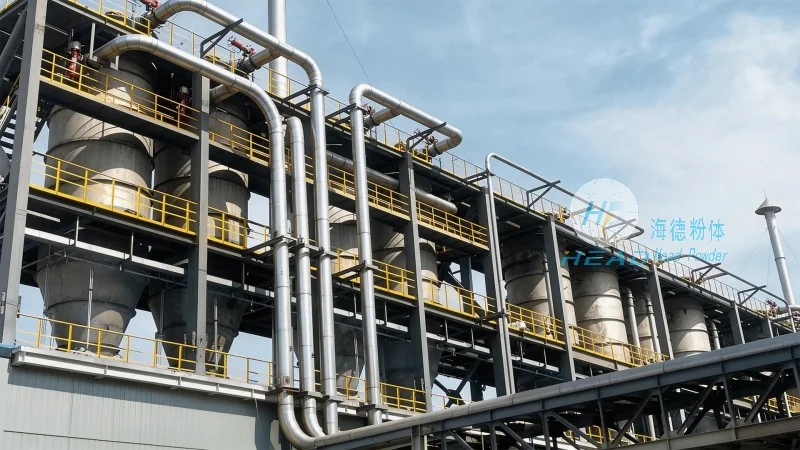
HeadPowder's pneumatic conveying systems for PP pellets represent a reliable and efficient solution for the plastics industry. By leveraging advanced engineering and materials, these systems ensure optimal performance, minimal material loss, and compliance with industry standards. The combination of high capacity, flexibility, and automation makes them an ideal choice for businesses seeking to improve their material handling processes. With a strong presence in Shandong, China, HeadPowder continues to provide innovative solutions that meet the evolving needs of the industry, ensuring that PP pellet transport remains efficient, safe, and cost-effective.