

Working Principle and Features of a Coal Ash Particle Material Pneumatic Conveying System
Shandong HeadPowder Engineering Co., Ltd., headquartered in Shandong, China, is a leading provider in the field of material handling solutions. The company specializes in the design and manufacturing of advanced pneumatic conveying systems, including the coal ash particle material system. With a focus on innovation and customer-centric solutions, HeadPowder has built a reputation for delivering high-quality equipment that meets the demands of modern industrial applications. This system is engineered to efficiently transport coal ash particles from one location to another, addressing the challenges of bulk material handling in industrial settings such as power plants and cement manufacturing.
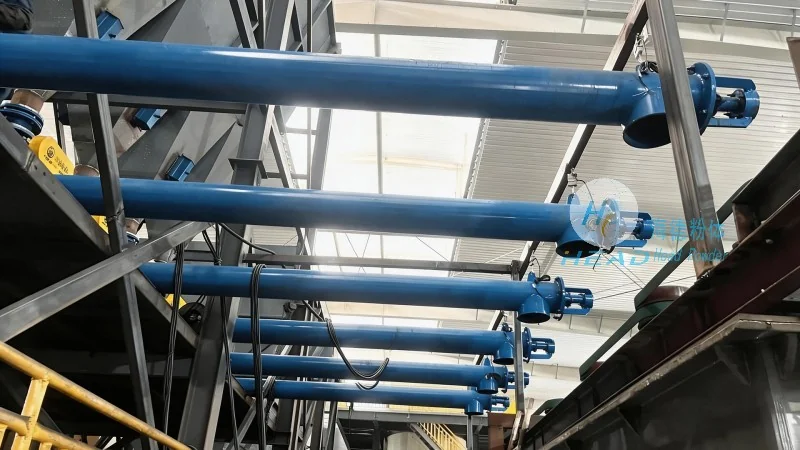
Working Principle of the Pneumatic Conveying System
The core of the coal ash particle material pneumatic conveying system lies in its pneumatic transport mechanism. The system operates by using compressed air or gas to create a flow that propels the coal ash particles through a pipeline. The process begins with the loading of coal ash into a hopper or feeder, which then feeds the particles into the conveying line. As the particles enter the pipeline, they are entrained by the high-velocity air stream, allowing them to be transported over long distances with minimal loss and high efficiency. The system typically includes components such as a blower, a filter, and a receiver, all working in tandem to ensure smooth and continuous operation. The blower generates the necessary air pressure, the filter removes dust and debris from the air stream, and the receiver collects the conveyed coal ash particles at the destination point. This integrated approach ensures that the system operates reliably and maintains the quality of the transported material.
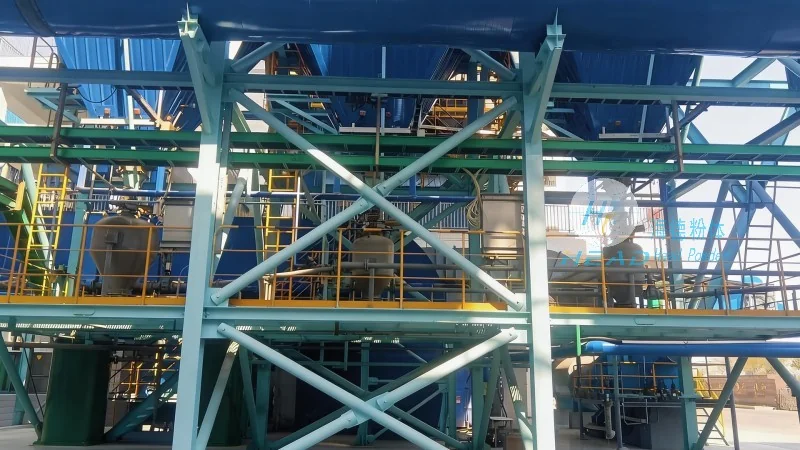
Key Features and Advantages
One of the primary features of this system is its ability to handle a wide range of particle sizes and densities, making it suitable for various coal ash applications. The system is designed with a focus on energy efficiency, utilizing optimized air flow rates to minimize power consumption while maintaining high conveying capacity. This efficiency is achieved through the use of advanced blower technology and aerodynamic pipeline designs that reduce air resistance and energy waste. Additionally, the system incorporates advanced control systems that allow for precise regulation of the conveying process, ensuring consistent material flow and preventing blockages or system failures. The use of durable materials in the construction of the pipeline and components ensures long-term reliability and low maintenance costs. Another notable feature is the system's adaptability, which allows it to be integrated into existing industrial setups with minimal modifications, providing a cost-effective solution for material handling needs. The system can be customized to accommodate different particle characteristics, conveying distances, and operational requirements, making it a versatile choice for diverse industrial applications.
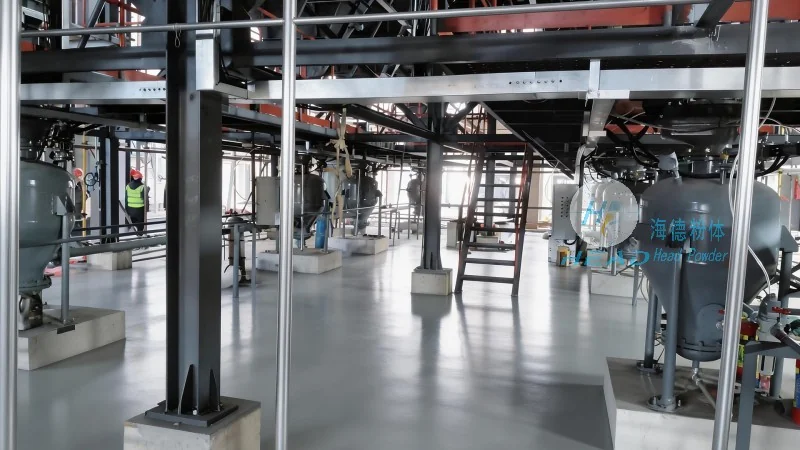
Applications and Industrial Use Cases
The coal ash particle material pneumatic conveying system is widely used in power plants, where coal ash is generated as a byproduct of coal combustion. The system efficiently transports the ash from the boiler to storage or disposal sites, reducing the need for manual handling and associated safety risks. In power plants, the system helps in maintaining a clean and organized facility by eliminating the need for traditional truck or conveyor systems that can be inefficient and environmentally unfriendly. In addition to power plants, this system is also applicable in cement manufacturing, where coal ash is used as a supplementary cementitious material. The system's ability to handle fine particles and maintain consistent flow rates makes it ideal for these applications, ensuring that the coal ash is delivered to the processing units in a controlled manner. Furthermore, the system can be adapted for use in other industrial sectors that require the transport of bulk materials, such as mining and chemical processing, where the handling of abrasive or corrosive materials demands robust and reliable equipment. The system's versatility and efficiency make it a valuable asset for any industrial operation that relies on the transport of bulk materials.