

Working Principle and Features of a Coking Coal Particle Pneumatic Conveying System
For industrial applications involving the transport of coking coal particles, pneumatic conveying systems offer a highly efficient and reliable solution. These systems are designed to move bulk materials like coking coal through a network of pipes using air or other gas streams. The technology has evolved significantly over the years, providing industries with a versatile method for material handling that minimizes product degradation and operational costs.
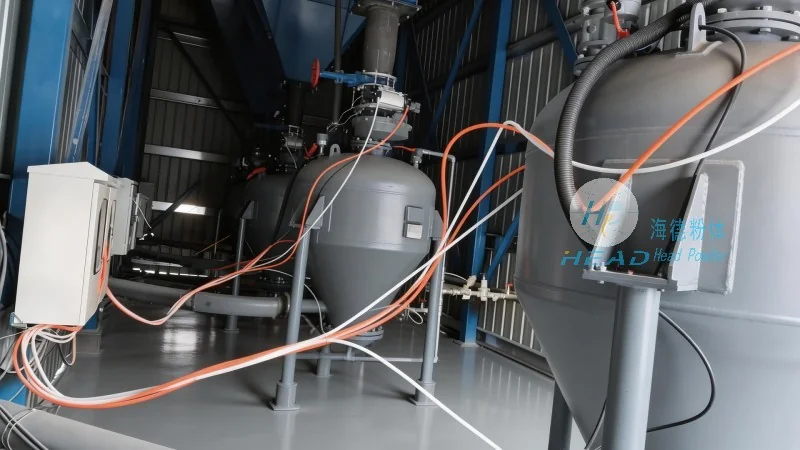
Introduction to Coking Coal Particle Pneumatic Conveying Systems
Pneumatic conveying systems are widely used in the coking industry to transport coking coal from storage silos, processing units, or production lines to various destinations such as furnaces or storage facilities. The system's design is tailored to handle the specific characteristics of coking coal, including its particle size distribution, density, and moisture content. By leveraging the principles of fluid dynamics, these systems can efficiently move large volumes of material with minimal manual intervention.
Working Principle of the Pneumatic Conveying System
The core working principle of a coking coal particle pneumatic conveying system involves the use of a gas stream (typically air) to create a flow that transports the solid particles. There are two main types of pneumatic conveying systems: pressure (or positive pressure) systems and vacuum (or negative pressure) systems. In pressure systems, the conveying air is compressed and introduced at the discharge end of the pipe, pushing the material forward. In vacuum systems, a vacuum is created at the intake end, drawing the material and air into the pipe. For coking coal applications, both systems can be employed depending on the layout of the facility and the distance to be covered.
Within the system, the coking coal particles are suspended in the air stream, forming a two-phase flow. The velocity of the air must be sufficient to overcome the gravitational forces acting on the particles and maintain their suspension. This is achieved by carefully calculating the air velocity and pressure drop along the pipeline. The system typically includes components such as a feed hopper, a rotary valve or feeder, a conveying line, a separator or filter, and a discharge device. The feed hopper ensures a consistent flow of material into the system, while the feeder controls the rate of material introduction. The conveying line transports the material, and the separator removes any excess air and any particles that may have settled out, ensuring that only the intended material reaches the discharge point.
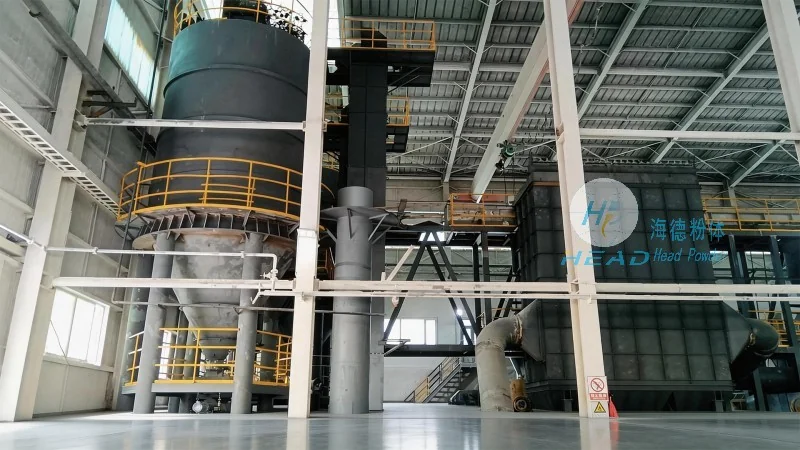
Key Features and Advantages of the System
The coking coal particle pneumatic conveying system developed by Shandong HeadPowder Engineering Co., Ltd. incorporates several key features that enhance its performance and reliability. One of the primary advantages is its ability to handle a wide range of particle sizes and shapes without causing significant wear or degradation to the material. The system is designed with durable materials of construction, such as stainless steel or corrosion-resistant alloys, to withstand the abrasive nature of coking coal and the potential for moisture or chemical exposure.
Another significant feature is the system's efficiency in terms of energy consumption and material handling. By using a continuous flow of air, the system can transport large volumes of coking coal with minimal energy input compared to traditional methods like belt conveyors or bucket elevators. This results in lower operational costs and reduced environmental impact, as there is less dust generation and lower noise levels. The system also offers flexibility in terms of layout, as it can be configured to follow the existing infrastructure of a facility, allowing for easy integration into existing production lines.
The system's design also prioritizes safety and maintenance. The use of enclosed pipelines prevents dust emissions, reducing the risk of respiratory issues for workers and minimizing environmental contamination. Regular maintenance is facilitated by easy access to components such as the feeder, separator, and discharge device, allowing for quick inspections and repairs. Additionally, the system includes safety features such as pressure relief valves and emergency shut-off mechanisms to prevent accidents and ensure the safety of personnel.
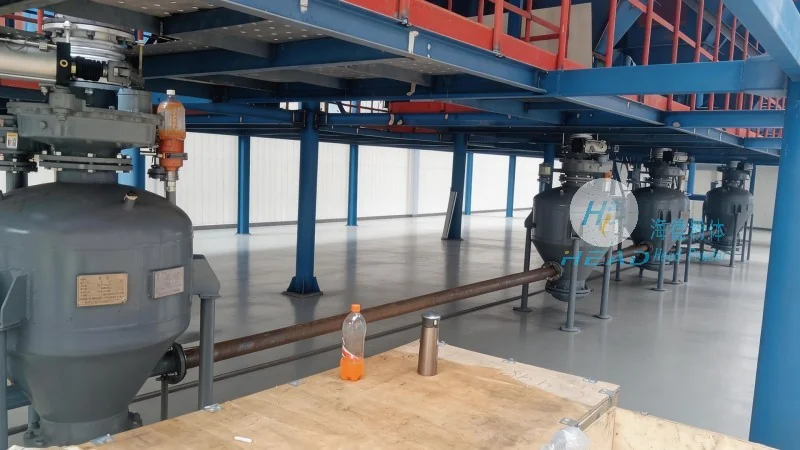
Applications and Performance in Industrial Settings
The coking coal particle pneumatic conveying system is widely used in various industrial settings, including coking plants, steel mills, and coal processing facilities. In these applications, the system is responsible for transporting coking coal from storage silos to the coking ovens, where it is used as a key ingredient in the production of coke. The system's ability to handle large volumes of material at high speeds makes it an essential component of modern coking operations.
Performance metrics for the system typically include the conveying capacity, which is measured in tons per hour, and the pressure drop along the pipeline, which indicates the energy required to move the material. The system's efficiency is also evaluated based on the material's recovery rate, which measures the percentage of material that reaches the discharge point without loss. Shandong HeadPowder Engineering Co., Ltd. has optimized its systems to achieve high recovery rates and low pressure drops, ensuring that the material is transported efficiently and with minimal waste.
Conclusion and Company Background
In conclusion, the coking coal particle pneumatic conveying system is a highly effective and reliable solution for the transport of bulk materials in industrial applications. Its working principle, based on fluid dynamics and two-phase flow, allows for efficient and low-cost material handling. The key features and advantages of the system, including durability, energy efficiency, and safety, make it a preferred choice for many industries. Developed by Shandong HeadPowder Engineering Co., Ltd., a company based in Shandong, China, the system represents the latest advancements in pneumatic conveying technology, tailored to meet the specific needs of the coking industry.