

Working Principle and Features of Long-Distance Material Pneumatic Conveying Equipment
Long-distance material pneumatic conveying equipment is a critical component in modern industrial processes, designed to transport bulk materials over significant distances using air as the conveying medium. This technology offers a highly efficient and flexible solution for various industries, including food processing, chemical manufacturing, and mining. The equipment operates by introducing material into a pipeline and using compressed air to move the material through the system. Understanding its working principle and key features is essential for selecting the right equipment for specific applications.
Working Principle of Long-Distance Pneumatic Conveying Systems
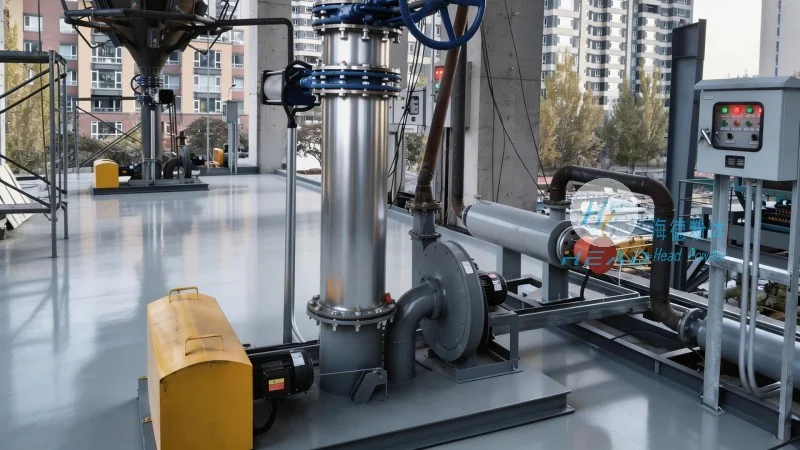
The core working principle of long-distance pneumatic conveying equipment involves the use of a positive or negative pressure system to transport materials. In a positive pressure system, compressed air is introduced into the material feed point, creating a high-pressure environment that propels the material through the pipeline. The air and material mixture travels through the pipeline, with the air providing the necessary force to overcome friction and gravity. On the other hand, a negative pressure system, also known as a vacuum system, uses a vacuum pump to create a low-pressure environment at the discharge end, drawing the material from the source to the destination. The choice between positive and negative pressure depends on factors such as material characteristics, distance, and system layout. The system typically includes components like a material feeder, air compressor or vacuum pump, pipeline, and a receiver or discharge unit. The material feeder ensures a consistent flow of material into the system, while the air compressor or vacuum pump provides the necessary pressure or vacuum. The pipeline is designed to handle the material and air mixture, with appropriate bends and fittings to maintain flow efficiency. The receiver or discharge unit collects the material at the end of the conveying process, completing the cycle. The air flow rate and pressure are carefully controlled to ensure optimal material transport, with sensors and control systems monitoring the system's performance in real-time. This allows for adjustments to be made to maintain consistent flow and prevent system overload.
Key Features of Long-Distance Pneumatic Conveying Equipment
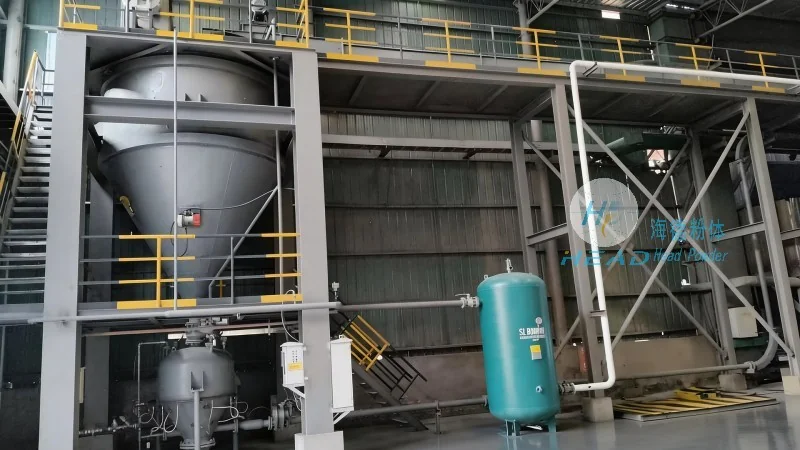
Long-distance pneumatic conveying equipment offers several advantages that make it a preferred choice for many industries. One of the primary features is its ability to transport materials over long distances without the need for mechanical components like belts or buckets, reducing maintenance and operational costs. The system is also highly flexible, allowing for changes in material type, flow rate, and distance without major modifications. Another significant feature is its ability to handle a wide range of materials, from fine powders to bulk solids, with minimal degradation or contamination. The equipment is designed to be hygienic and clean, making it suitable for applications in the food and pharmaceutical industries. Additionally, pneumatic conveying systems can be integrated with other processing equipment, such as mixers or classifiers, to create a seamless production line. The system's efficiency is enhanced by the use of high-efficiency filters and separators, which prevent material buildup and ensure consistent performance. The equipment is also energy-efficient, with modern systems using advanced control technologies to optimize air usage and reduce energy consumption. Safety features, such as pressure relief valves and emergency shut-off mechanisms, are incorporated to ensure safe operation. The system's reliability is further improved by regular maintenance and quality control measures, ensuring consistent performance over time. The equipment's design allows for easy cleaning and maintenance, reducing downtime and increasing overall productivity.
Applications and Industries Using Long-Distance Pneumatic Conveying
Long-distance pneumatic conveying equipment is widely used in various industries due to its versatility and efficiency. In the food industry, it is used to transport ingredients like flour, sugar, and spices over long distances, ensuring consistent quality and hygiene. The chemical industry utilizes pneumatic conveying for transporting powders and granules, such as chemicals and pigments, with precision and minimal contamination. The mining and mineral processing industry relies on this technology to transport raw materials and finished products from processing plants to storage facilities or ports. The pharmaceutical industry uses pneumatic conveying for transporting active ingredients and excipients, maintaining strict cleanliness and safety standards. The agricultural industry also benefits from pneumatic conveying for handling grains and other agricultural products. The equipment's ability to handle different material types and distances makes it suitable for a wide range of applications, from small-scale operations to large industrial plants. For example, in a food processing plant, the equipment can transport flour from a storage silo to a mixing unit over a distance of several hundred meters, ensuring a continuous and clean process. In a chemical plant, it can transport powdered chemicals from a production line to a storage tank, maintaining the material's integrity and preventing contamination. The mining industry uses the equipment to transport ore from a mine to a processing facility, reducing the need for trucks and other heavy machinery, which improves efficiency and reduces environmental impact.
Advantages and Considerations for Long-Distance Pneumatic Conveying
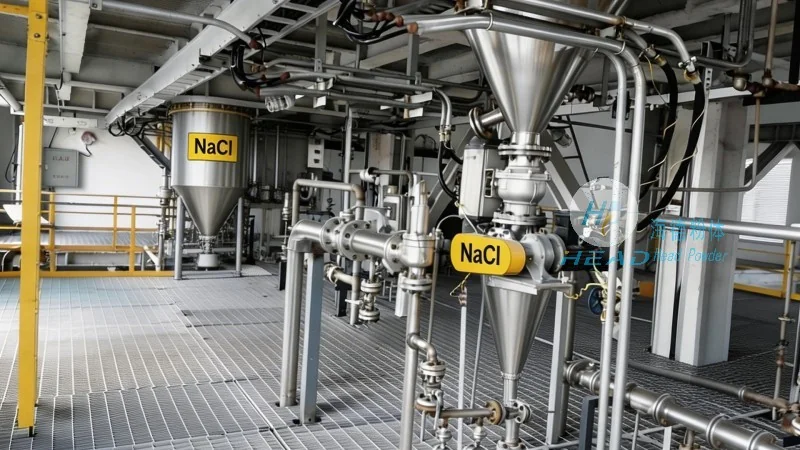
While long-distance pneumatic conveying offers numerous advantages, there are also considerations to keep in mind when selecting and operating such equipment. One of the main advantages is its ability to transport materials without direct contact, reducing wear and tear on the material and equipment. This results in lower maintenance costs and longer equipment life. The system is also relatively compact, requiring less space compared to traditional mechanical conveying systems. However, the initial investment for pneumatic conveying equipment can be higher than for other methods, especially for large-scale systems. The energy consumption of the system, particularly for long distances, can also be a factor to consider. Proper system design and maintenance are crucial to ensure optimal performance and efficiency. The material characteristics, such as particle size, density, and moisture content, can affect the conveying efficiency and require careful consideration during system design. The system's ability to handle abrasive materials may also impact the lifespan of components like pipelines and valves. Proper filtration and cleaning procedures are essential to maintain system performance and prevent material buildup. The choice between positive and negative pressure systems depends on the specific application, with positive pressure systems being more suitable for short to medium distances and high material flow rates, while negative pressure systems are better for longer distances and lower flow rates. The system's integration with other equipment, such as storage silos and processing units, requires careful planning to ensure smooth operation. For instance, in a chemical plant, the system must be designed to handle the specific chemical properties of the materials, including their reactivity and potential for dust explosions. This may require additional safety features, such as explosion-proof components and fire suppression systems, to ensure safe operation.