

Principle and Working Scene Characteristics of Yellow Sand Pneumatic Conveying Systems
Yellow sand, a common material in construction and industrial applications, often requires efficient and reliable transportation methods. Pneumatic conveying systems have emerged as a preferred solution for handling such materials due to their ability to transport bulk materials over long distances with minimal maintenance and operational complexity. This article explores the fundamental principles behind these systems and highlights the key characteristics of their working environments, with a focus on applications involving yellow sand.
The Core Principle of Pneumatic Conveying
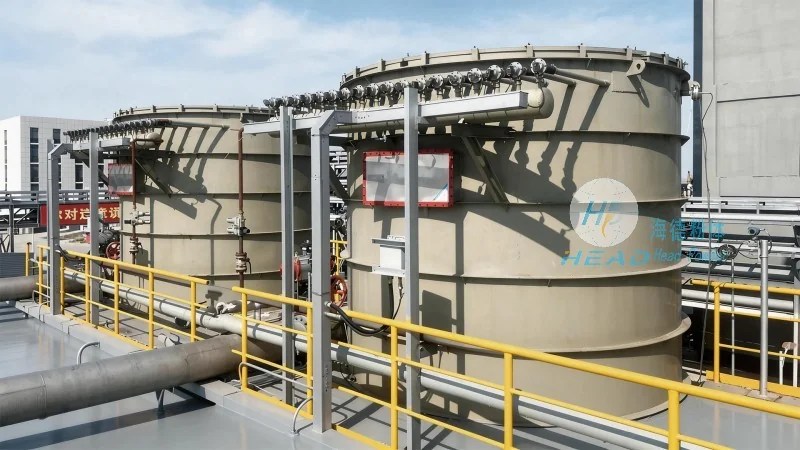
At its essence, a pneumatic conveying system operates by using air or gas to transport solid particles through a pipeline. The system can be categorized into two main types: positive pressure and negative pressure systems. In positive pressure systems, air is blown into the pipeline, creating a pressure higher than the ambient air, which propels the material forward. Conversely, negative pressure systems draw air out of the pipeline, creating a vacuum that pulls the material along. For yellow sand, the choice of system depends on factors such as the material's density, moisture content, and the distance and layout of the conveying route.
Working Scene Characteristics of Yellow Sand Pneumatic Conveying
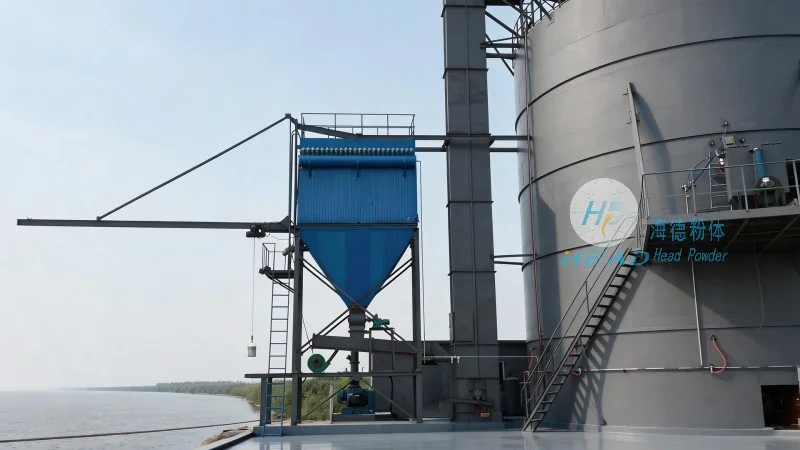
The working environment of a yellow sand pneumatic conveying system is characterized by several distinct features that influence its design and performance. First, the material's properties, such as its particle size distribution and flowability, are critical. Yellow sand typically consists of fine particles, which can lead to issues like clogging if the system is not properly designed. Therefore, systems often incorporate features like air classifiers or cyclones to separate fine particles and prevent blockages. Second, the system's operational efficiency is highly dependent on the air pressure and flow rate. Properly calibrated pressure and flow ensure that the material is transported smoothly without excessive energy consumption. Third, the working environment may involve high temperatures or abrasive conditions, which necessitates the use of durable materials for the pipeline and components. For instance, stainless steel or special coatings may be employed to withstand the wear and tear from the sand particles.
Application Scenarios and Industry Integration
Yellow sand pneumatic conveying systems find widespread application in various industries, particularly in construction, mining, and manufacturing. In the construction sector, these systems are used to transport sand from storage silos to mixing plants or concrete production lines. The ability to convey sand over long distances without the need for manual handling enhances productivity and reduces labor costs. In mining operations, pneumatic conveyors are employed to transport sand from processing facilities to storage areas or for further processing. The systems are also utilized in the chemical and food industries, where the need for clean and hygienic material handling is paramount. For example, in food processing, pneumatic conveyors can transport sand-based ingredients while maintaining strict sanitary standards.
HeadPowder's Expertise in Designing and Implementing Yellow Sand Pneumatic Conveying Systems
Shandong HeadPowder Engineering Co., Ltd., a leading provider of bulk material handling solutions, specializes in designing and implementing customized pneumatic conveying systems for yellow sand applications. With years of experience in the industry, HeadPowder has developed a deep understanding of the unique challenges associated with handling yellow sand, such as its fine particle size and potential for clogging. The company's engineers work closely with clients to assess their specific requirements, including the distance of the conveying route, the volume of material to be transported, and the operational environment. Based on this assessment, HeadPowder designs systems that optimize performance, energy efficiency, and durability. The company's solutions often include advanced features like variable frequency drives (VFDs) to control air flow and pressure, reducing energy consumption and extending the lifespan of the system components. Additionally, HeadPowder provides comprehensive after-sales support, including maintenance services and technical assistance, ensuring that clients can operate their systems efficiently and reliably.
Key Features and Advantages of Yellow Sand Pneumatic Conveying Systems
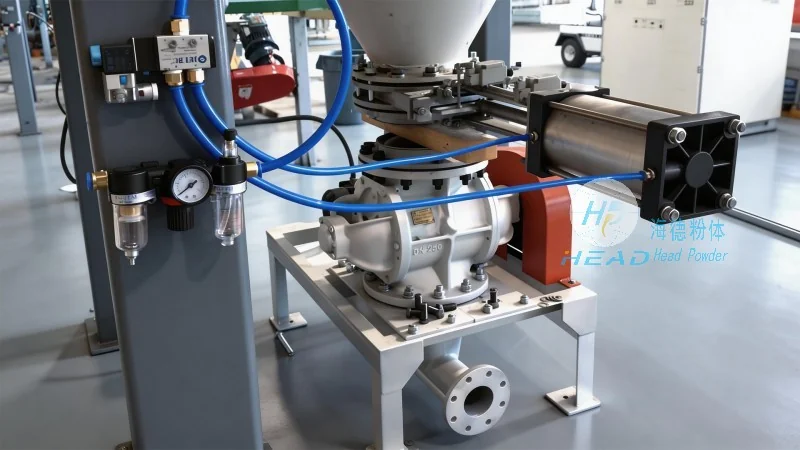
When considering a pneumatic conveying system for yellow sand, several key features and advantages stand out. First, the systems offer high flexibility in terms of layout and route planning. Unlike traditional belt conveyors, pneumatic systems can be easily reconfigured to accommodate changes in the production process or facility layout. Second, they provide a clean and dust-free environment, which is crucial in industries where contamination must be minimized. The enclosed pipeline design prevents dust from escaping into the workplace, enhancing safety and compliance with environmental regulations. Third, pneumatic conveyors are highly efficient in terms of energy consumption. By using air as the transport medium, the systems require less energy compared to other bulk material handling methods, such as truck transport or belt conveyors. This not only reduces operational costs but also contributes to lower carbon emissions, making them an environmentally friendly choice. Fourth, the systems are relatively low maintenance, with fewer moving parts compared to other equipment, reducing downtime and maintenance expenses.
Conclusion: The Future of Yellow Sand Handling with Pneumatic Conveying
As industries continue to seek more efficient and sustainable methods for handling bulk materials, pneumatic conveying systems, particularly those designed for yellow sand, remain a vital technology. The combination of advanced engineering principles and practical application has made these systems an indispensable part of modern material handling operations. With companies like Shandong HeadPowder Engineering Co., Ltd. leading the way in innovation and implementation, the future of yellow sand transportation looks promising. By leveraging the principles and characteristics outlined in this article, businesses can enhance their operational efficiency, reduce costs, and ensure the safe and reliable handling of yellow sand in their production processes.