

Principles and Working Scene Characteristics of Pneumatic Conveying for Mixed Material Blending
HeadPowder, a leading engineering firm based in Shandong, China, specializes in the design and implementation of advanced pneumatic conveying systems tailored for the efficient handling and blending of mixed materials. This article delves into the core principles behind these systems and highlights the distinct working scene characteristics that define their application in various industrial settings.
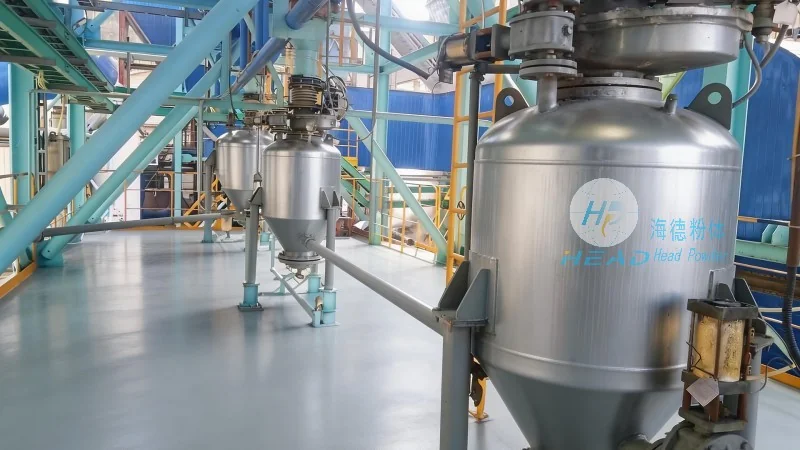
The Fundamental Principles of Pneumatic Conveying Systems
Pneumatic conveying, also known as air conveying, is a method of transporting bulk materials through a pipeline using a gas stream, typically air. The process relies on the principles of fluid dynamics and particle motion to move materials from one location to another. There are two primary modes of pneumatic conveying: suction (or vacuum) and pressure. Suction systems draw material into the pipeline using a vacuum created by a fan or blower, while pressure systems force material through the pipeline using compressed air. For mixed material blending, the choice of system depends on factors such as material properties, distance, and the need for dust control.
In a typical pneumatic conveying system for mixed materials, the process begins with the introduction of the material into the inlet hopper. The material is then fed into the pipeline by the moving air stream. The air velocity must be sufficient to lift and transport the particles, while also ensuring that the material does not settle or clog the pipeline. The system may include components like cyclones, filters, and separation chambers to manage the material flow and maintain system efficiency. The design of the system is critical to achieving consistent blending ratios and preventing material segregation, which can occur if the material particles have different sizes, densities, or flow characteristics.
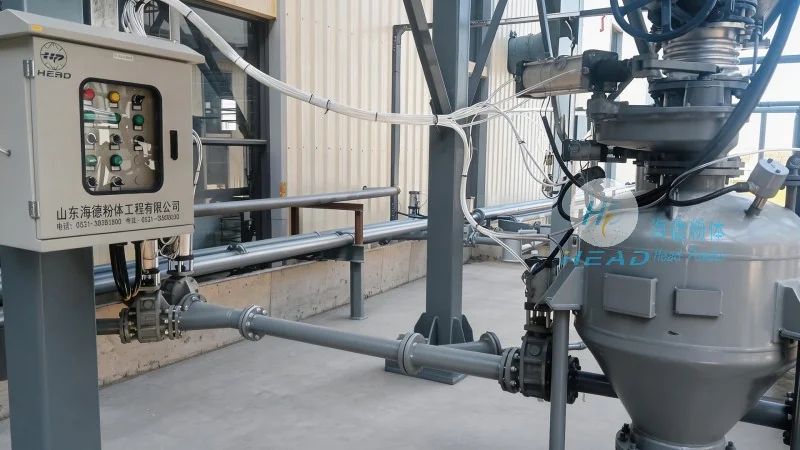
Key Working Scene Characteristics and Applications
The working scene characteristics of pneumatic conveying systems for mixed material blending are shaped by several factors that influence their effectiveness and suitability in different industrial environments. One of the most notable characteristics is the ability to handle a wide range of materials, from fine powders to bulk granules, without the need for mechanical components like belts or buckets. This makes the system particularly advantageous in applications where material contamination or degradation must be avoided, such as in the pharmaceutical, food, and chemical industries.
Another key characteristic is the flexibility of the system in terms of layout and integration. Pneumatic conveying lines can be easily reconfigured or expanded to accommodate changes in production volume or material types. This adaptability is crucial in dynamic manufacturing environments where production schedules and material requirements may vary. Additionally, the system offers a high degree of automation, with controls that can adjust air pressure, flow rate, and material feed rate in real-time to maintain optimal blending conditions.
The working scene also includes considerations related to safety and operational efficiency. Pneumatic conveying systems are generally considered safer than mechanical systems because they eliminate the need for moving parts that could cause injury or material spillage. The enclosed pipeline design helps to contain dust and prevent environmental contamination, which is a significant advantage in industries where air quality regulations are stringent. Furthermore, the system's ability to transport materials over long distances with minimal energy loss makes it an energy-efficient solution for large-scale blending operations.
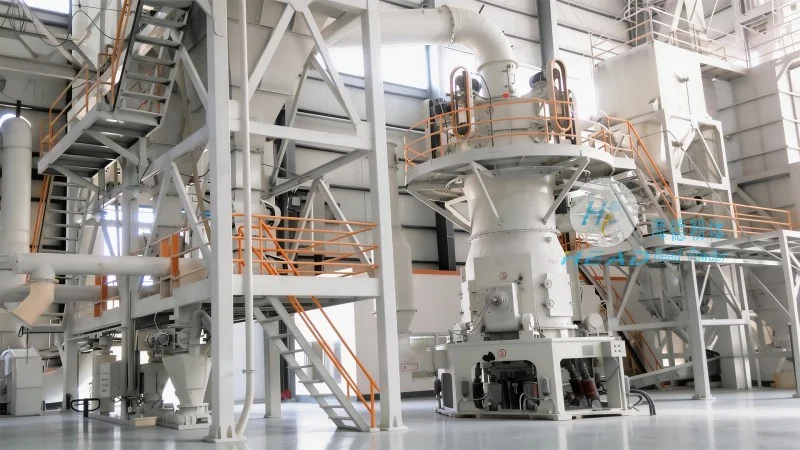
Company Profile: Shandong HeadPowder Engineering Co., Ltd.
Shandong HeadPowder Engineering Co., Ltd., the company behind the innovative pneumatic conveying solutions discussed, is a reputable engineering firm with a strong presence in the material handling industry. Headquartered in Shandong, China, the company leverages decades of experience and advanced technology to design customized solutions that meet the unique needs of its clients. The company's expertise lies in the integration of pneumatic conveying systems with other processing equipment, such as mixers, classifiers, and storage silos, to create comprehensive material handling solutions. By focusing on quality, reliability, and customer satisfaction, HeadPowder has established itself as a trusted partner for businesses seeking efficient and effective mixed material blending solutions.
The company's commitment to research and development ensures that its systems are equipped with the latest advancements in pneumatic technology, including variable frequency drives, advanced control systems, and materials-specific design features. This dedication to innovation allows HeadPowder to address the evolving challenges faced by industries, such as the need for higher blending accuracy, reduced downtime, and improved environmental compliance. With a team of skilled engineers and technicians, HeadPowder provides comprehensive support, from system design and installation to maintenance and troubleshooting, ensuring that clients can maximize the performance and longevity of their pneumatic conveying systems.