

Principles and Working Scene Characteristics of Pneumatic Conveying for White Lime Materials
White lime materials, such as calcium hydroxide or quicklime, are widely utilized in industrial sectors including construction, chemical manufacturing, and environmental treatment. The efficient and safe transportation of these materials from storage to processing units is vital for operational efficiency and product quality. Pneumatic conveying systems provide a reliable solution by leveraging air flow to transport bulk materials through pipelines. This article examines the fundamental principles of pneumatic conveying for white lime materials and highlights the key characteristics of working scenes where such systems are typically applied.
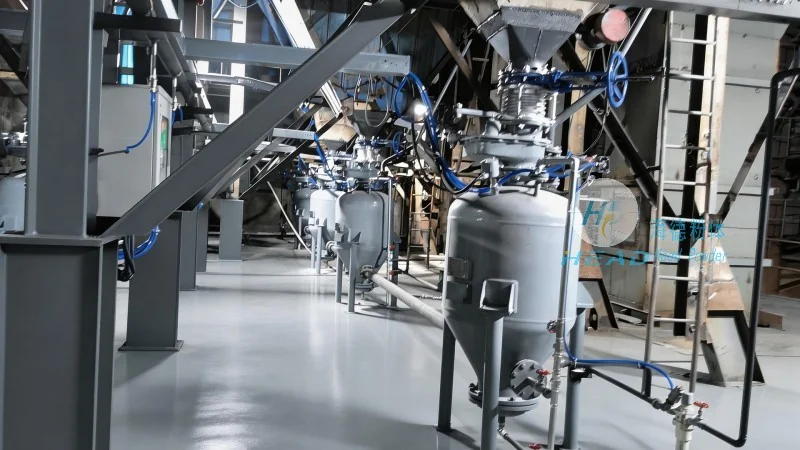
Company Overview: HeadPowder Engineering
HeadPowder, or Shandong HeadPowder Engineering Co., Ltd., is a leading provider of specialized engineering solutions for material handling and processing. The company focuses on innovation and customer-centric design, establishing itself as a trusted partner in the industry. HeadPowder’s expertise lies in developing customized pneumatic conveying systems tailored to unique client requirements, ensuring optimal performance and durability. The company’s operational base is located in Shandong, China, where it leverages local resources and expertise to deliver high-quality solutions.
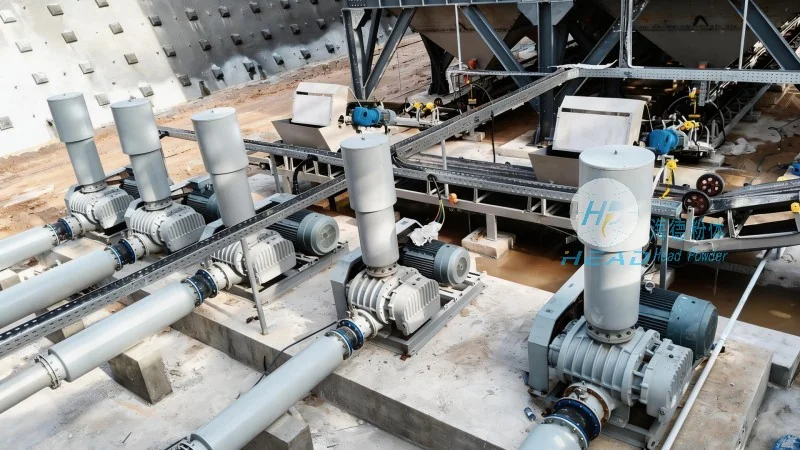
Principles of Pneumatic Conveying for White Lime Materials
Pneumatic conveying operates on the principle of using air to move bulk materials through a closed system of pipes. Two primary types exist: positive pressure and negative pressure. Positive pressure systems generate air pressure within the conveying line, pushing material forward, while negative pressure systems create a vacuum to pull material into the line. For fine, dusty white lime materials, positive pressure systems are commonly preferred due to their ability to handle high loads and maintain consistent flow rates. The system typically includes a material hopper, a rotary airlock feeder, a conveying pipeline, and a receiver or destination point. The rotary airlock feeder ensures controlled, continuous material feed into the pipeline, preventing air leakage and maintaining efficiency. The conveying pipeline is designed with appropriate diameter and slope to minimize material degradation and ensure smooth transport. The receiver, often equipped with a dust collection system, collects material at the destination point, completing the process.
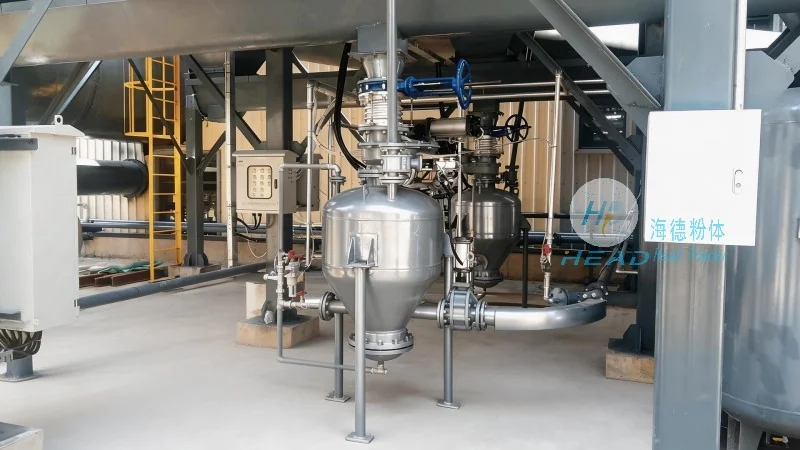
Working Scene Characteristics of Pneumatic Conveying Systems for White Lime Materials
The working scenes where pneumatic conveying systems for white lime materials are applied exhibit distinct characteristics influencing system design and operation. A key characteristic is the need for dust control, as fine white lime particles generate significant airborne dust during handling. Effective dust collection systems—such as cyclones or bag filters—are integrated into the receiver to comply with environmental regulations and maintain a safe environment. Another characteristic is the requirement for material handling in various industrial settings, including factories, warehouses, and processing plants. These scenes often involve multiple processing stages, such as mixing, grinding, or packaging, where the pneumatic conveying system acts as a critical link between storage and processing units. Systems are typically designed to handle varying flow rates, from low to high, to accommodate different production demands. Additionally, working scenes may involve integration with other equipment, like silos or storage tanks, to ensure seamless material flow and minimize downtime. Facility layout, source-to-destination distance, and environmental conditions all play a role in determining the most suitable system configuration.
Key Considerations for Implementing Pneumatic Conveying Systems
When implementing a pneumatic conveying system for white lime materials, several key considerations must be addressed to ensure optimal performance and longevity. Material properties—including particle size, density, and moisture content—are critical factors affecting system design. For example, fine white lime particles may require higher air velocities for consistent flow, while larger particles need different pipeline diameters and slopes. The system must also handle potential buildup or blockages, common with white lime materials. Regular maintenance and cleaning of the pipeline and components are essential to prevent clogging and ensure consistent operation. Safety features, such as pressure relief valves and dust explosion prevention measures, are also necessary to mitigate handling risks. The choice of air compressor and filtration system impacts energy efficiency and operational costs. By addressing these considerations, companies can ensure their pneumatic conveying system for white lime materials operates efficiently and reliably, meeting industrial process demands.
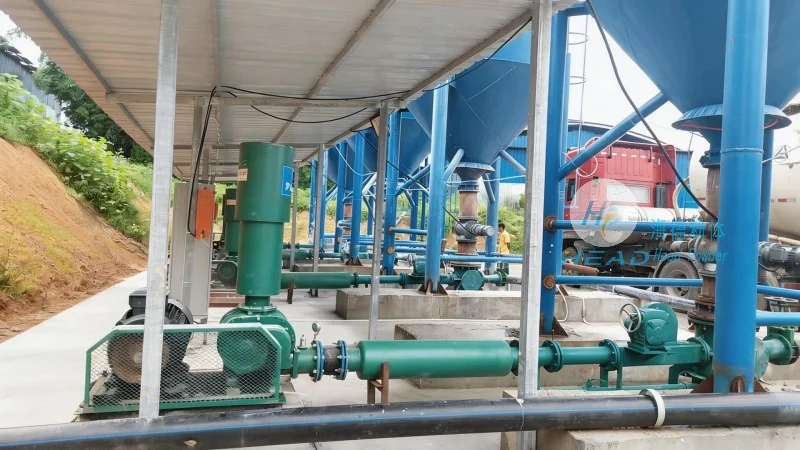
Conclusion
Pneumatic conveying systems offer an effective and efficient solution for transporting white lime materials across diverse industrial applications. The principles of air flow and material handling, combined with careful system design and maintenance, enable reliable operation in varied working scenes. Companies like Shandong HeadPowder Engineering Co., Ltd. provide customized solutions tailored to client needs, ensuring optimal performance and safety. As the demand for efficient material handling grows, pneumatic conveying systems will remain a key technology, supporting smooth processes involving white lime materials.