

Principles and Working Scene Characteristics of Pneumatic Conveying for Sugar Cane Molasses Material
Understanding the principles and application characteristics of pneumatic conveying for sugar cane molasses materials is crucial for optimizing material handling processes in the sugar industry. This article delves into the technical aspects of pneumatic conveying systems, focusing on how they efficiently transport molasses materials, and highlights the key working scene features that define their effectiveness in industrial settings.
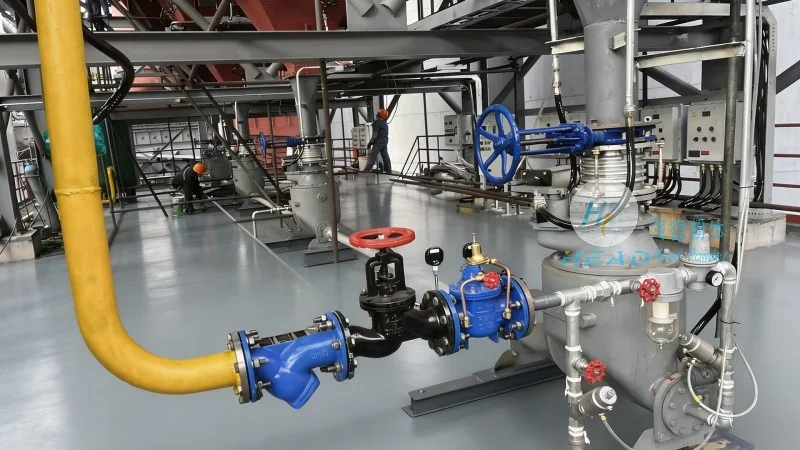
Pneumatic Conveying Principles: The Foundation of Efficient Material Transport
Pneumatic conveying is a method of transporting bulk materials through a pipeline using a stream of pressurized or vacuum air. For sugar cane molasses materials, which often present unique challenges due to their high viscosity, moisture content, and particle size distribution, specialized pneumatic conveying systems are essential. The core principle involves creating a flow of air that carries the material particles through the pipeline, with systems typically categorized into two main types: suction (or vacuum) and pressure systems.
In suction systems, a vacuum is created at the material intake point, drawing the molasses material into the pipeline. This method is ideal for applications where the material needs to be moved from a lower elevation or over short distances, as it relies on the pressure differential to pull the material. Conversely, pressure systems use a positive pressure of air to push the material through the pipeline, which is more suitable for longer distances or when the material needs to be elevated to higher levels. For sugar cane molasses, which may have varying particle sizes and high moisture content, the choice between suction and pressure systems depends on the specific process requirements and the physical properties of the material.
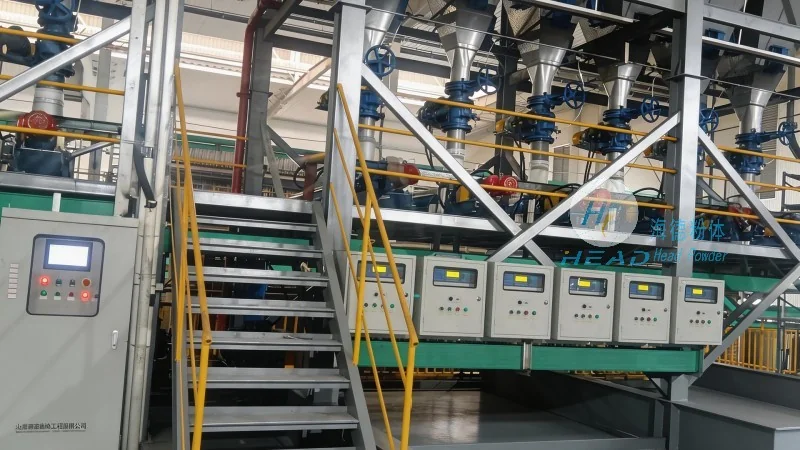
The effectiveness of pneumatic conveying for molasses materials is also influenced by the design of the system components. Key components include the air compressor or vacuum pump, which generates the necessary air flow; the material feed device, such as a rotary valve or a hopper, which controls the material intake; the pipeline system, which transports the material and air mixture; and the separation equipment, such as cyclones or filters, which separates the material from the air at the discharge end. Each component must be carefully selected and configured to handle the specific characteristics of molasses, ensuring efficient transport with minimal material degradation or loss.
Working Scene Characteristics: Tailoring Pneumatic Conveying to Sugar Industry Needs
The application of pneumatic conveying in the sugar industry is defined by several working scene characteristics that reflect the unique demands of processing sugar cane molasses. These characteristics include the need for high capacity and reliability, as sugar processing plants require continuous material flow to maintain production efficiency. Additionally, the systems must be designed to handle the variable properties of molasses, such as changes in viscosity due to temperature fluctuations or moisture content variations, which can affect the conveying performance.
One of the key working scene features is the integration of pneumatic conveying into the overall sugar production process. In many sugar plants, molasses is transported from storage silos to processing units, or from the extraction stage to the refining stage. The systems must be able to handle different material states, such as wet or dry molasses, and adapt to the varying flow rates required by different stages of the production line. For example, during the initial extraction of molasses from sugar cane, the material may be more viscous and contain larger particles, requiring a more robust conveying system with higher air pressure or a larger pipeline diameter.
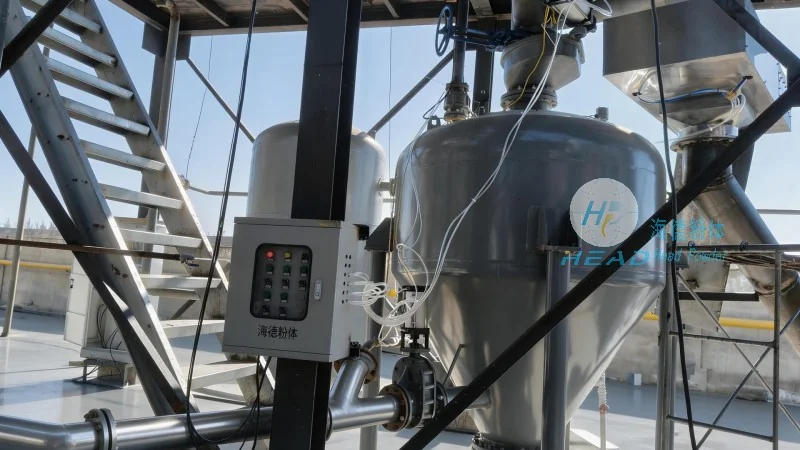
Another important working scene characteristic is the requirement for minimal material degradation and contamination. Pneumatic conveying systems are often preferred over mechanical conveying methods because they reduce the risk of material breakage and contamination from external sources. This is particularly critical for molasses, which is a valuable byproduct of sugar production and may be used in various applications, such as animal feed or biofuel production. The design of the separation equipment and the pipeline materials is therefore critical to ensure that the molasses remains in its original state, with no loss of quality or nutrients.
Vertical and horizontal conveying are common working scene configurations in sugar plants. Vertical conveying systems are used to transport molasses from lower storage levels to higher processing units, while horizontal systems are used for longer horizontal distances. The choice between vertical and horizontal configurations depends on the layout of the plant and the specific process requirements. Vertical systems often use pressure or vacuum-assisted designs to overcome the gravitational force and ensure efficient material transport. Horizontal systems, on the other hand, rely on the pressure of the air stream to move the material along the pipeline, with the pipeline slope or the air velocity being adjusted to maintain the material flow.
System Design and Optimization for Sugar Cane Molasses Materials
The successful implementation of pneumatic conveying systems for sugar cane molasses materials requires careful system design and optimization. This involves selecting the appropriate type of pneumatic conveying system (suction or pressure) based on the specific application requirements, such as the distance to be covered, the elevation change, and the material flow rate. The system design also considers the physical properties of the molasses, including particle size distribution, moisture content, and viscosity, to ensure that the air flow and pipeline dimensions are optimized for efficient transport.
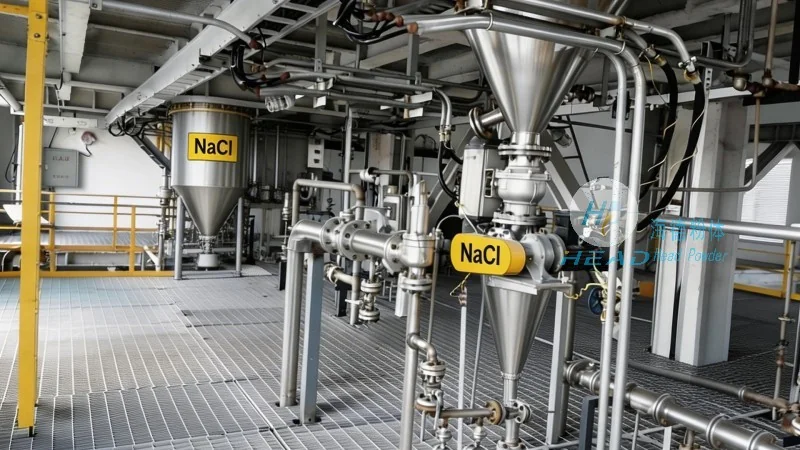
For example, in a sugar plant where molasses is transported from a storage silo to a processing unit located 50 meters away and 10 meters higher, a pressure system with a positive air pressure of 0.5 bar might be suitable. The pipeline diameter would be determined based on the required flow rate and the air velocity, which should be maintained above the minimum conveying velocity to prevent material deposition. The separation equipment at the discharge end would be designed to handle the molasses flow rate and ensure that the material is efficiently separated from the air, with minimal loss.
Regular maintenance and monitoring of the pneumatic conveying system are also critical to ensure long-term performance and reliability. This includes monitoring the air pressure and flow rate, checking the condition of the pipeline and components, and cleaning the separation equipment to prevent clogging. By maintaining the system in optimal condition, sugar plants can ensure continuous and efficient material transport, minimizing downtime and maximizing production efficiency.