

Principles and Working Scene Characteristics of Pneumatic Conveying for Feed Materials
Understanding the fundamentals of pneumatic conveying for feed materials is crucial for optimizing material handling in agricultural and feed processing industries. This article explores the core principles behind this technology and highlights key working scene characteristics that define its effectiveness in real-world applications.
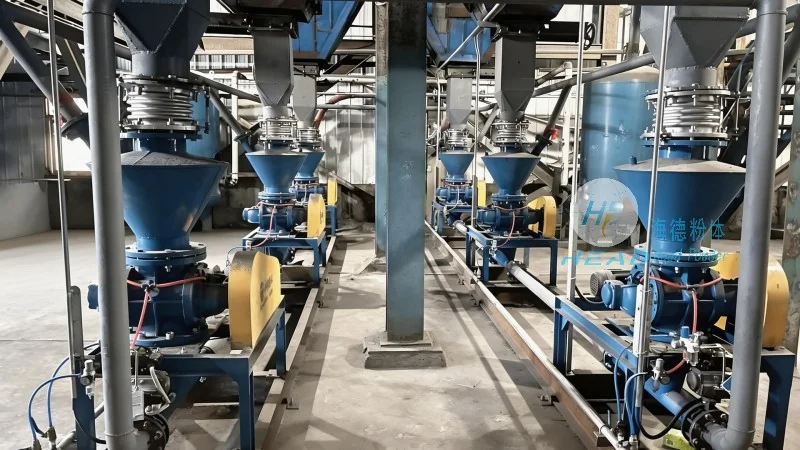
Introduction to Pneumatic Conveying Systems
Pneumatic conveying is a method of transporting bulk materials, such as feed ingredients, using a stream of air or gas. Unlike traditional mechanical systems like belt conveyors or screw conveyors, pneumatic systems rely on the movement of air to move materials through pipelines. This approach offers several advantages, including reduced equipment wear, lower maintenance costs, and the ability to handle a wide range of materials, from fine powders to bulk solids.
Core Principles of Pneumatic Conveying
The fundamental principle of pneumatic conveying is based on creating a pressure differential between the inlet and outlet of the conveying system. There are two primary types of pneumatic conveying: pressure and vacuum systems. In pressure systems, air is compressed and introduced at the material source, while in vacuum systems, a vacuum is created at the discharge end to draw material into the system.
Key components of a pneumatic conveying system include the material feed hopper, the air supply unit (such as a blower or compressor), the conveying pipeline, and the discharge equipment. The material is typically fed into the system using a rotary valve or a screw feeder, which controls the flow rate. The air then carries the material particles through the pipeline, where they are separated from the air at the discharge point using a cyclone or a filter.
Working Scene Characteristics of Pneumatic Conveying for Feed Materials
The effectiveness of pneumatic conveying in feed processing applications is influenced by several working scene characteristics. These include the physical properties of the feed material, such as particle size, density, and moisture content, as well as the operational parameters of the system, including air velocity and pressure.
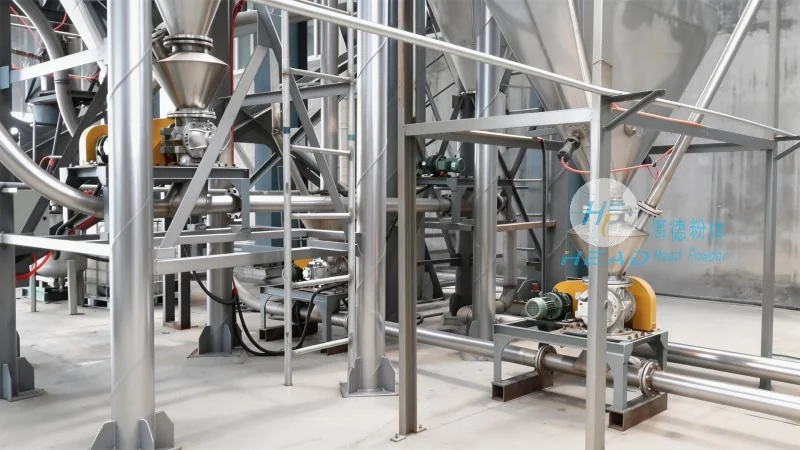
For example, fine feed powders, like soybean meal or corn gluten feed, require higher air velocities to ensure proper suspension and prevent blockages in the pipeline. In contrast, bulkier materials, such as whole grains or pellets, may need lower air velocities but higher pressure to maintain flow. The moisture content of the material also plays a role, as higher moisture levels can affect the material's flowability and increase the risk of caking or blockages.
Another important working scene characteristic is the system layout and pipeline design. The length and diameter of the pipeline, as well as the number of bends and changes in elevation, can impact the system's efficiency and performance. Properly designed pipelines with smooth surfaces and minimal obstructions help maintain consistent air flow and prevent material buildup.
Applications and Real-World Scenarios
Pneumatic conveying is widely used in various working scenes within the feed processing industry. One common application is the transfer of raw materials from storage silos to processing equipment, such as mixers or pelletizers. This allows for seamless integration of different stages of the feed production process, improving overall efficiency and reducing labor costs.
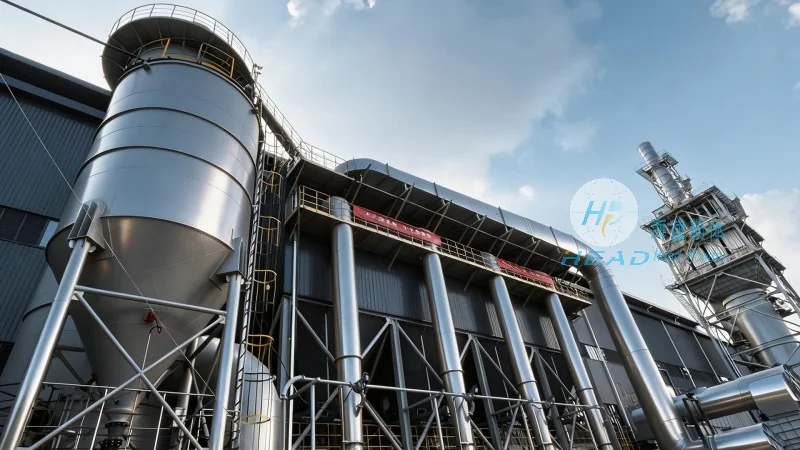
Another scenario involves the distribution of finished feed products to storage bins or loading facilities. Pneumatic systems can efficiently transport large volumes of feed over long distances, making them ideal for large-scale feed mills or feed manufacturing plants. Additionally, pneumatic conveying is used in quality control processes, where materials are sampled and analyzed for moisture content, particle size, or other critical parameters.
Advantages and Considerations in Working Scenes
When implementing pneumatic conveying systems in feed processing facilities, several advantages and considerations must be taken into account. The primary advantages include the ability to handle a wide range of materials, reduced equipment wear compared to mechanical systems, and the flexibility to integrate with existing processing lines. However, there are also challenges to consider, such as the need for proper air filtration to prevent dust accumulation and the potential for material degradation due to high air velocities or prolonged exposure to air.
Proper maintenance and system monitoring are essential to ensure optimal performance in working scenes. Regular cleaning of the pipeline and filters, as well as monitoring of air pressure and flow rates, can help prevent system failures and extend the lifespan of the equipment. Additionally, the selection of appropriate materials for the pipeline and components is critical to prevent corrosion or wear from the feed materials.
Conclusion
Pneumatic conveying is a versatile and efficient method for handling feed materials in various working scenes. By understanding the core principles and working scene characteristics of this technology, feed processing facilities can optimize their material handling processes, improve operational efficiency, and reduce costs. As a leading provider of engineering solutions for the feed industry, Shandong HeadPowder Engineering Co., Ltd. specializes in designing and manufacturing customized pneumatic conveying systems tailored to the specific needs of feed processing applications.