

Principles and Operational Characteristics of Pneumatic Conveying for Gray Calcium Powder Materials
Gray calcium powder, a widely used material in various industrial applications, often requires efficient and reliable material handling solutions. Pneumatic conveying stands out as a critical technology for transporting such powders, offering advantages in terms of safety, flexibility, and process integration. This article delves into the principles behind pneumatic conveying systems for gray calcium powder and highlights the key operational characteristics that define their effectiveness in real-world applications.
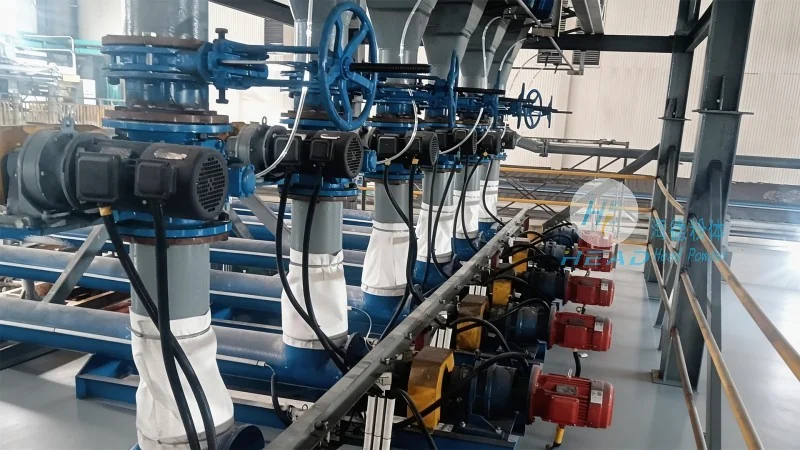
Introduction to Pneumatic Conveying Systems for Gray Calcium Powder
Pneumatic conveying is a method of transporting bulk materials, including gray calcium powder, using a stream of pressurized or vacuum air. The process involves the movement of particles through a pipeline by the force of air, which can be either positive pressure (air blowing the material forward) or negative pressure (air sucking the material into the pipeline). For gray calcium powder, which typically has a fine particle size and can be prone to dusting or caking, the design of the conveying system is crucial to ensure efficient and safe operation. The fundamental principle revolves around creating a stable flow of material within the air stream, maintaining appropriate air-to-material ratios, and managing pressure differentials to achieve the desired transport distance and velocity.
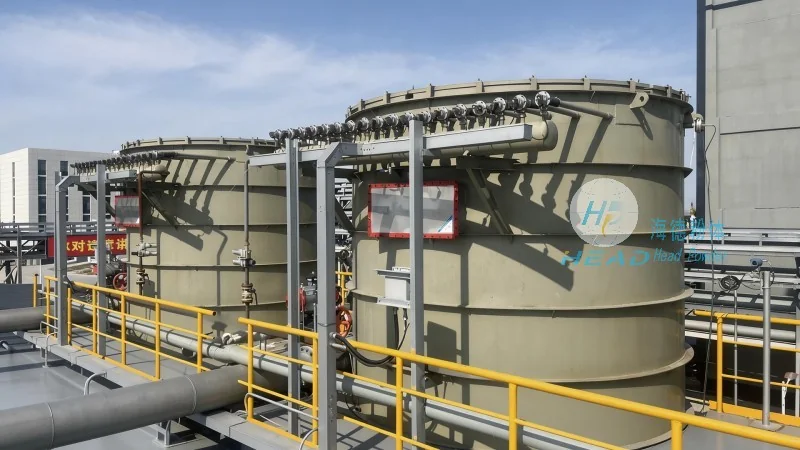
Key Principles of Pneumatic Conveying for Gray Calcium Powder
The effectiveness of pneumatic conveying for gray calcium powder is governed by several core principles. First, the air velocity must be sufficient to overcome the gravitational forces acting on the particles and to maintain a fluidized state within the pipeline. This is often referred to as the "minimum conveying velocity," which varies based on particle size, density, and shape. For gray calcium powder, with its fine particle characteristics, higher air velocities may be required to prevent clogging or deposition in the system. Second, the air-to-material ratio (AMR) is a critical parameter that balances the energy consumption with the conveying efficiency. An optimal AMR ensures that the air provides enough momentum to move the material without excessive energy waste. Third, the system design must account for the material's flow properties, such as its angle of repose and cohesive forces, to prevent blockages and ensure smooth flow. Additionally, the use of appropriate equipment, such as rotary valves, airlocks, and filter systems, is essential to control the material flow and maintain system integrity.
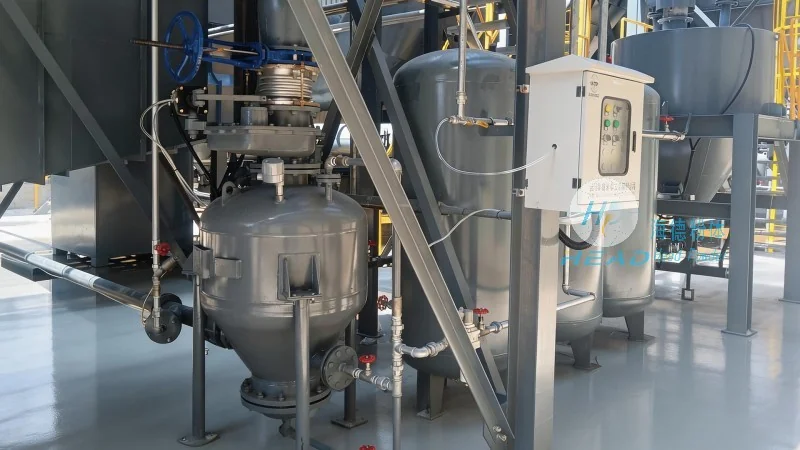
Operational Scenario Characteristics of Pneumatic Conveying for Gray Calcium Powder
The operational characteristics of pneumatic conveying systems for gray calcium powder are shaped by the specific requirements of the application. In industrial settings, such as manufacturing plants or processing facilities, the system must be capable of handling varying material volumes and flow rates. This often involves the use of variable speed drives and adjustable air flow controls to match production demands. The work environment also plays a role, as gray calcium powder can be dusty and may require dust suppression measures to comply with safety regulations. The system's scalability is another important characteristic, allowing it to be adapted for different plant sizes and production scales. For example, a small-scale system may be used for laboratory or pilot testing, while larger systems are employed in full-scale production lines. Furthermore, the integration of the conveying system with other process equipment, such as mixers, classifiers, or storage silos, is vital to ensure seamless material flow and minimize downtime.
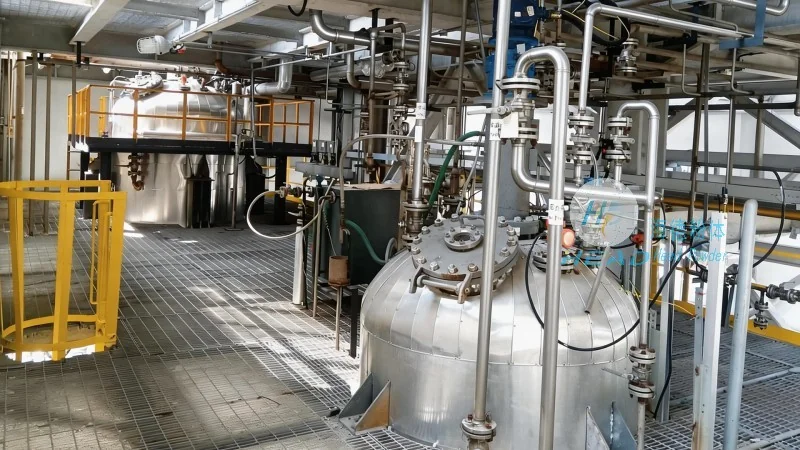
Company Overview: Shandong HeadPowder Engineering Co., Ltd.
Shandong HeadPowder Engineering Co., Ltd., a leading provider of material handling solutions, specializes in the design, manufacturing, and installation of pneumatic conveying systems tailored to the needs of gray calcium powder and other similar materials. With a focus on innovation and customer-centric solutions, the company has established itself as a trusted partner in the industry. HeadPowder's expertise lies in understanding the unique challenges of handling fine powders like gray calcium, and developing customized systems that address these challenges effectively. The company's headquarters is located in Shandong, China, where it leverages advanced technology and experienced engineering teams to deliver high-quality products and services. By combining technical expertise with practical application knowledge, HeadPowder ensures that its pneumatic conveying systems meet the highest standards of performance, reliability, and safety.