

Principle and Working Scene Characteristics of Gypsum Alum Material Pneumatic Conveying Systems
Gypsum alum, a vital industrial material utilized in water treatment, paper production, and construction sectors, demands efficient and reliable transportation methods to sustain production efficiency and product integrity. Pneumatic conveying systems have emerged as a preferred solution for handling gypsum alum due to their capability to transport materials in a dust-free environment, minimize material degradation, and enhance operational safety. This article delves into the fundamental principles behind gypsum alum pneumatic conveying systems and highlights the key working scene characteristics that render them suitable for diverse industrial applications.
Core Principles of Gypsum Alum Pneumatic Conveying
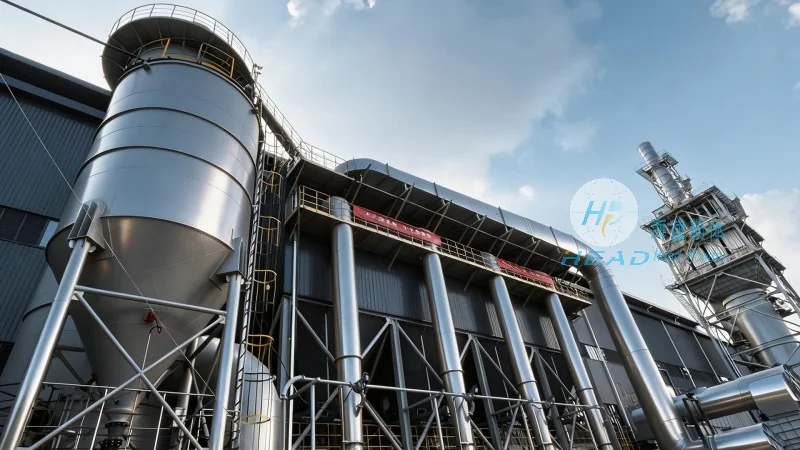
The operation of a gypsum alum pneumatic conveying system is grounded in the principle of utilizing air or gas as the conveying medium to transport solid particles. The system typically comprises a hopper for material storage, a conveyor line, a dust collector, and a control system. The process initiates with material being fed into the hopper, where it is subsequently drawn into the conveyor line by a vacuum or pressure source. The air flow, regulated by a blower or compressor, carries the gypsum alum particles through the pipeline to the destination point—such as a storage silo or processing unit. This method ensures that the material is transported without direct contact with mechanical components, thereby minimizing the risk of contamination and degradation.
Key Working Scene Characteristics
Several defining characteristics of gypsum alum pneumatic conveying systems across different industrial settings include: First, the system’s operation within a closed environment significantly reduces dust emissions, which is critical for maintaining a safe and clean workplace, especially in facilities where air quality is a regulatory priority. Second, the uniform flow of material through the pipeline ensures consistent product quality, as the particles are not subjected to mechanical abrasion or segregation that can occur with traditional belt or bucket elevators. Third, the flexibility of pneumatic conveying allows for seamless integration with existing production lines, enabling smooth material transfer between different processing stages. Additionally, the system’s compact design and low maintenance requirements make it an economical choice for both new installations and retrofit applications.
Application Scenarios and Industry Benefits
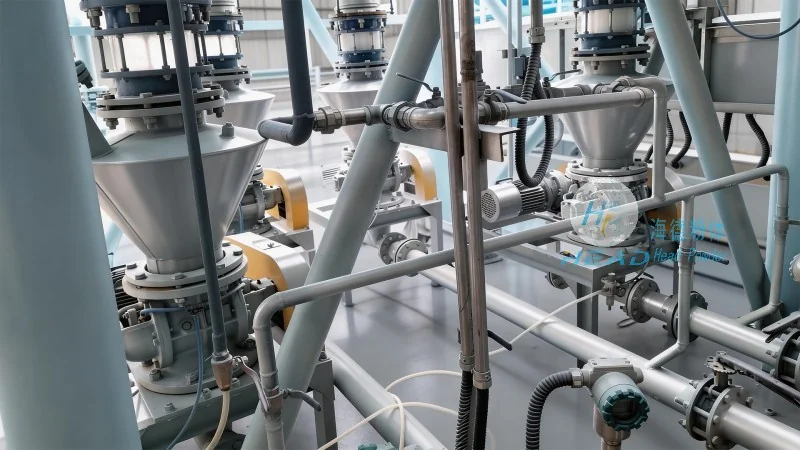
Gypsum alum pneumatic conveying systems are widely applied across various industries, each reaping the benefits of the system’s unique advantages. In water treatment plants, the system efficiently transports gypsum alum slurry to treatment tanks, ensuring optimal coagulation and flocculation processes. In the paper industry, the material is conveyed to papermaking machines, where it serves as a filler or coating agent, improving the paper’s strength and surface properties. In construction, the system delivers gypsum alum to manufacturing facilities, where it is processed into building materials like plaster and drywall. The consistent and dust-free transportation of gypsum alum in these scenarios enhances production efficiency, reduces downtime, and improves overall operational performance.
Technical Advancements and Customization Options
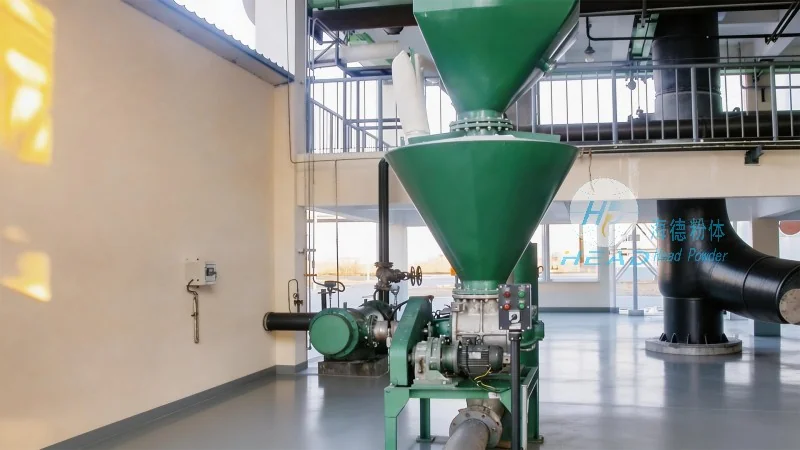
Modern gypsum alum pneumatic conveying systems incorporate advanced technologies to enhance performance and adapt to specific application needs. For instance, variable frequency drives (VFDs) are employed to control air flow and pressure, allowing for precise material control and energy efficiency. Additionally, the use of high-quality materials for conveyor lines—such as stainless steel or corrosion-resistant alloys—ensures durability and resistance to the chemical properties of gypsum alum. Customization options are also available to meet the unique requirements of different industries, including varied pipeline configurations, material handling capacities, and control systems. These advancements ensure that the system can be tailored to the specific needs of each application, maximizing its effectiveness and longevity.
Conclusion and Company Overview
Gypsum alum pneumatic conveying systems represent a sophisticated and efficient solution for handling this critical industrial material. By leveraging the principles of pneumatic transport, these systems offer numerous benefits, including dust-free operation, consistent material quality, and operational flexibility. The working scene characteristics of these systems make them ideal for a wide range of applications, from water treatment to construction. As a leading provider in the field, Shandong HeadPowder Engineering Co., Ltd. specializes in designing and manufacturing customized pneumatic conveying systems tailored to the specific needs of its clients. With a focus on quality, reliability, and innovation, HeadPowder has established itself as a trusted partner in the industrial material handling industry, delivering solutions that enhance productivity and safety for its customers.