

Principle and Application Scenarios of Chromic Oxide Material Pneumatic Conveying Systems
Chromic oxide, a chemical compound with the formula Cr₂O₃, is widely used in various industrial applications, including the production of pigments, ceramics, and as an oxidizing agent in metallurgical processes. Due to its fine particle size and potential health hazards, efficient and safe handling is critical. Pneumatic conveying systems offer a solution by transporting the material through a sealed pipeline using air or gas, minimizing exposure to dust and ensuring consistent product quality. This article delves into the principles of chromic oxide material pneumatic conveying systems and outlines the key operational scenarios where these systems are applied, providing a comprehensive overview for industries seeking reliable material handling solutions.
Understanding the Core Principles of Pneumatic Conveying for Chromic Oxide
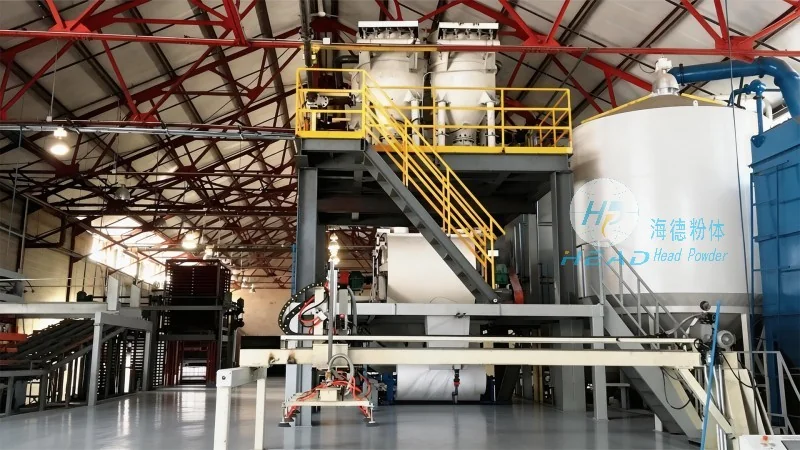
The fundamental principle of pneumatic conveying involves the use of air or gas to transport solid materials through a pipeline. In the case of chromic oxide, which is typically a fine powder or granular material, the system relies on the generation of a flow of air that entrains the particles, moving them from the source to the destination. There are two primary types of pneumatic conveying systems: dilute-phase and dense-phase. Dilute-phase systems operate at higher air velocities, typically transporting particles in a dispersed state, while dense-phase systems use lower air velocities to create a more concentrated flow, often with the aid of pressure or vacuum.
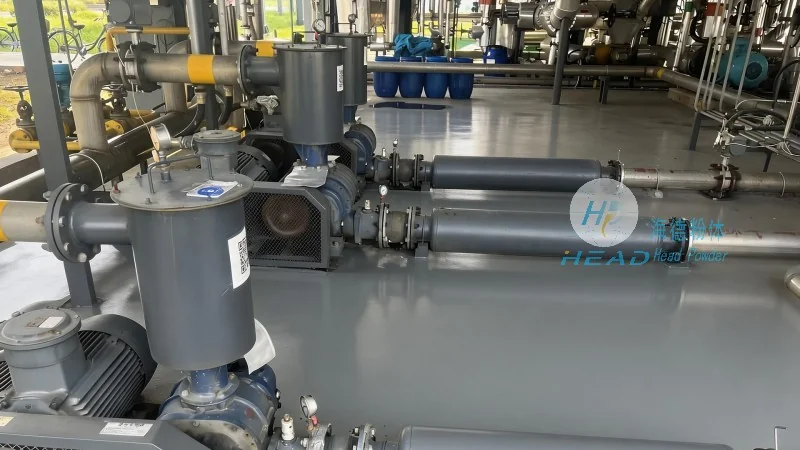
For chromic oxide, the choice of system type depends on factors such as particle size, moisture content, and the distance of transport. Dilute-phase systems are often suitable for short to medium distances and when the material is relatively dry and free-flowing. Dense-phase systems, on the other hand, are preferred for longer distances or when the material is more cohesive or contains higher moisture levels, as they provide better control over particle movement and reduce the risk of clogging. The system design also considers the need to prevent product degradation, which is crucial for chromic oxide due to its reactivity and potential to cause health hazards if not handled properly. Components such as air blowers, filters, and pipeline systems are carefully selected to ensure optimal performance and longevity, especially when dealing with abrasive or corrosive materials like chromic oxide.
Key Operational Scenarios and Application Characteristics
The operational scenarios for chromic oxide pneumatic conveying systems vary widely based on the industrial context. In the chemical industry, these systems are commonly used in the production of pigments, where chromic oxide is used as a colorant. The systems must be designed to maintain strict contamination control, as even trace amounts of impurities can affect the final product quality. In the metallurgical sector, chromic oxide is used as an oxidizing agent in steel production, and the conveying systems must be capable of handling high-temperature environments and abrasive materials, ensuring durability and reliability under harsh conditions. The systems may also need to integrate with other processing equipment, such as crushers or classifiers, to form a seamless material handling line.
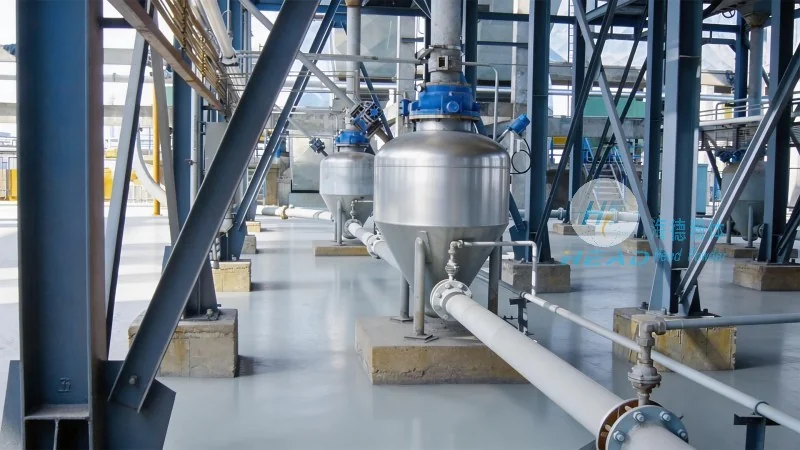
In the mining and processing industries, chromic oxide is often extracted from ore and needs to be transported from processing plants to storage or further processing facilities. The systems in these scenarios must be robust and capable of handling large volumes of material over extended distances. Additionally, the systems may need to adapt to varying material characteristics, such as changes in moisture content or particle size, which can impact flow rates and system efficiency. The operational characteristics also include considerations for safety, as chromic oxide can be hazardous if inhaled or ingested, and the systems must incorporate dust suppression and filtration measures to protect both personnel and the environment. Compliance with environmental regulations, such as emission standards, is also a critical factor in system design, ensuring that the conveying process does not contribute to air pollution.
HeadPowder's Expertise in Designing Tailored Solutions
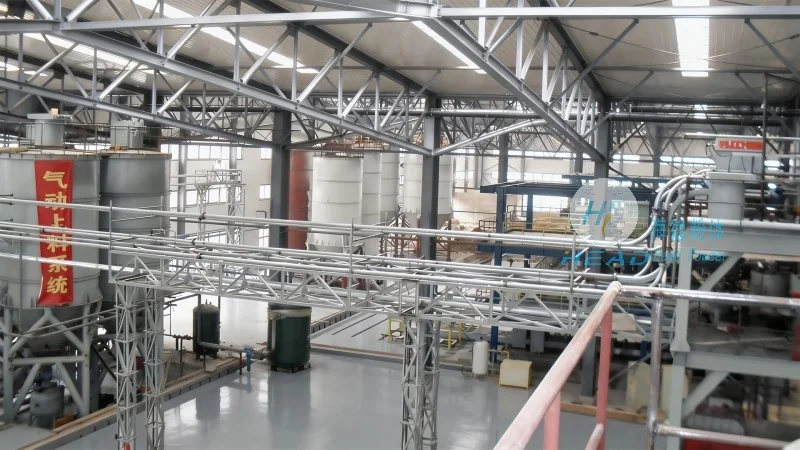
Shandong HeadPowder Engineering Co., Ltd., a leading manufacturer of material handling equipment, specializes in developing customized pneumatic conveying systems for chromic oxide and other similar materials. With years of experience in the industry, HeadPowder understands the unique challenges associated with handling chromic oxide, including its chemical properties and the need for precise control over particle flow. The company's engineering team works closely with clients to assess their specific operational requirements, such as the distance of transport, material characteristics, and environmental regulations, to design systems that meet both functional and safety standards.
HeadPowder's solutions often include advanced features like variable speed drives, which allow for precise control of air flow and particle velocity, ensuring optimal performance and minimizing energy consumption. The systems are also equipped with filtration and dust collection systems to comply with environmental regulations and protect worker health. The company's commitment to quality and innovation has made it a trusted partner for industries relying on efficient and safe chromic oxide handling solutions. By leveraging their expertise in material handling technology, HeadPowder provides systems that are not only effective but also durable and cost-efficient, helping clients improve their operational efficiency and reduce downtime.