

Principle and Application Scenarios of Clay Material Pneumatic Conveying Equipment
Clay material pneumatic conveying equipment is a specialized system designed to transport clay particles through a pipeline using air or gas as the conveying medium. This technology is widely used in industries such as ceramics, construction materials, and mining, where efficient and reliable movement of clay is critical for production processes. The equipment operates on the principle of pneumatic transport, which involves creating a flow of air that lifts and propels the solid particles through the pipeline. By understanding the unique characteristics of clay materials—such as their moisture content, particle size distribution, and density—engineers can design systems that optimize performance and minimize operational issues. Shandong HeadPowder Engineering Co., Ltd., a leading manufacturer in this field, specializes in developing customized pneumatic conveying solutions tailored to the specific needs of clay processing industries.
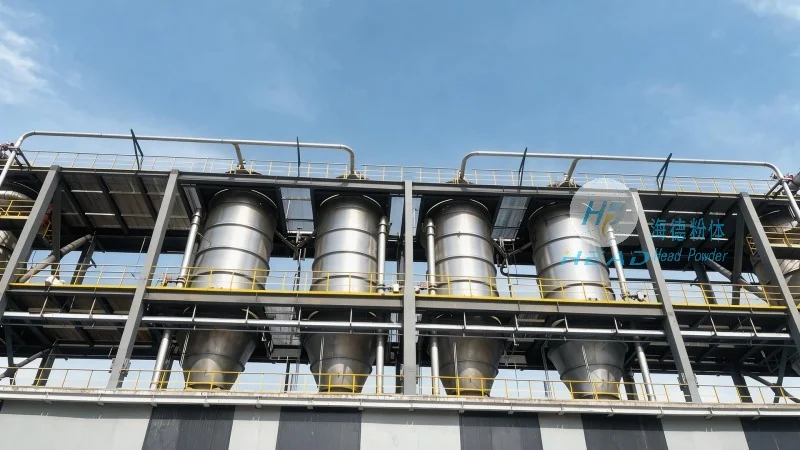
Working Principle of Pneumatic Conveying Systems
The core mechanism of pneumatic conveying for clay materials involves several key steps. First, the clay is introduced into the system, often via a hopper or feeder, where it is mixed with air or a carrier gas. The air flow is then accelerated to a velocity sufficient to overcome the gravitational force acting on the clay particles, allowing them to be suspended and transported through the pipeline. There are two primary types of pneumatic conveying systems: suction (or vacuum) systems and pressure systems. Suction systems use a vacuum to draw the material from the source, while pressure systems use compressed air to push the material forward. For clay materials, which can be prone to caking or bridging, suction systems are often preferred as they can handle materials with higher moisture content and more irregular particle shapes. The system typically includes components such as a material feeder, a conveying line, a separation or collection unit, and a filter or cyclone to remove the clay from the air stream. The design of these components is critical to ensuring consistent flow and preventing blockages, which can lead to system downtime and increased maintenance costs.
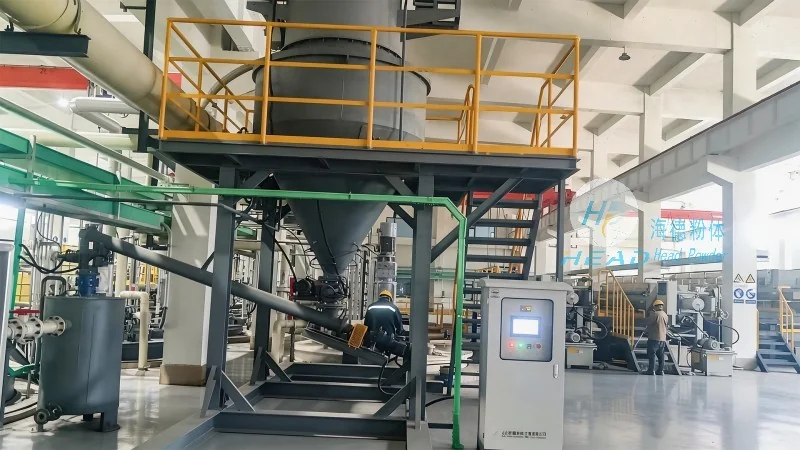
Key Features and Advantages for Clay Processing
When selecting pneumatic conveying equipment for clay applications, several factors must be considered to ensure optimal performance. One of the most important considerations is the moisture content of the clay, as high moisture levels can cause the material to stick to the pipeline walls or form agglomerates, leading to blockages. Advanced systems often incorporate features such as heated air or air conditioning to control moisture levels and maintain consistent particle flow. Another critical factor is the particle size distribution, as clay particles can range from fine powders to larger aggregates. The conveying line diameter and air velocity must be matched to the particle size to prevent excessive pressure drop or particle deposition. Additionally, the system must be designed to handle the density and specific gravity of clay, which can vary depending on the source and processing method. The advantages of using pneumatic conveying for clay materials include high efficiency, as the system can transport material over long distances with minimal energy loss. It also offers a closed-loop operation, which helps to contain dust and prevent environmental contamination, a critical consideration in many industrial applications. Furthermore, pneumatic conveying systems are relatively compact and can be integrated into existing production lines, reducing the need for additional space or infrastructure.
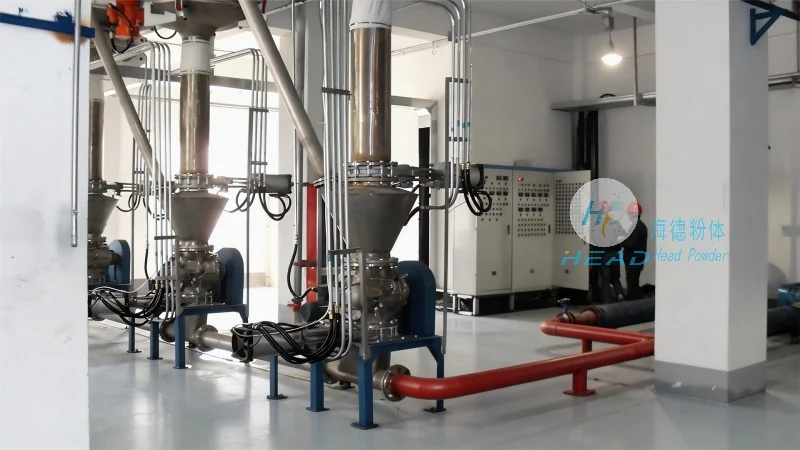
Common Application Scenarios in the Industry
Clay material pneumatic conveying equipment is widely used in various industrial settings, each with specific requirements that influence the system design. In the ceramics industry, for example, the equipment is used to transport raw clay from storage silos to processing plants, where it is mixed with other materials to create ceramic bodies. The system must be capable of handling fine clay powders and maintaining consistent moisture levels to ensure uniform product quality. In the construction materials sector, pneumatic conveying is used to transport clay for brick and tile production, where the material is often mixed with sand and other additives before molding. The equipment in this application must be robust enough to handle larger clay aggregates and withstand the abrasive nature of the material. In mining operations, clay is often extracted from underground or surface mines and transported to processing facilities using pneumatic systems. The systems in these scenarios are designed to handle high volumes of material and operate in harsh environments, with features such as corrosion-resistant materials and heavy-duty components to ensure durability. Additionally, in the chemical industry, clay is used as a filler or filter aid, and pneumatic conveying is used to transport it from storage to processing units. The systems in this application must be able to handle materials with varying chemical properties and ensure that the clay remains free from contamination during transport.
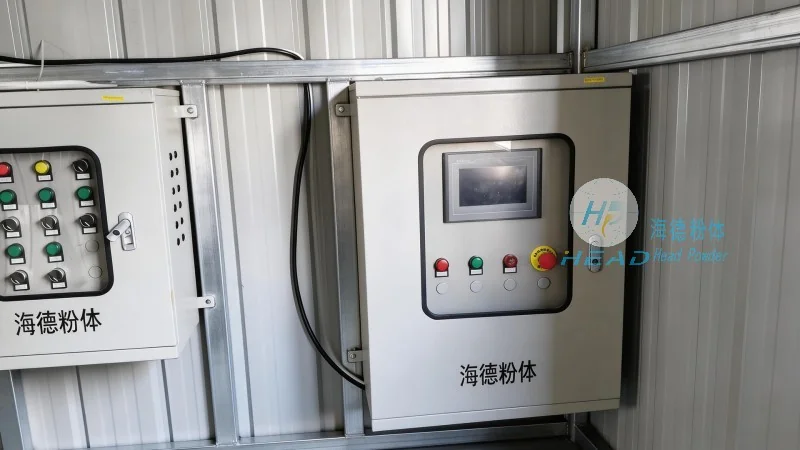
Operational Considerations and Maintenance
Proper operation and maintenance of clay material pneumatic conveying equipment are essential to ensure long-term performance and minimize downtime. Regular inspection of the conveying line and components is necessary to detect signs of wear or damage, such as corrosion or abrasion, which can reduce efficiency and lead to blockages. The air filter and cyclone system must be cleaned or replaced regularly to prevent clogging and maintain air quality. Additionally, the material feeder and hopper should be checked for signs of material buildup or bridging, which can affect the flow rate and cause uneven transport. The system should also be equipped with monitoring devices to track pressure, flow rate, and temperature, allowing operators to identify and address issues before they become major problems. Proper training of operators is also crucial, as they need to understand the system's controls and respond quickly to any operational issues. By following these operational guidelines, companies can maximize the lifespan of their pneumatic conveying equipment and ensure consistent performance in clay processing applications.