

Principle and Working Scene Characteristics of Clay Ash Material Pneumatic Conveying Equipment
Clay ash, a common industrial byproduct, often requires efficient and reliable handling for processing and disposal. The pneumatic conveying equipment designed for clay ash material offers a solution that combines advanced technology with practical application in various industrial settings. This article explores the fundamental principles behind such equipment and highlights the key characteristics of its working scenes, providing insights into how these systems enhance operational efficiency in material handling processes.
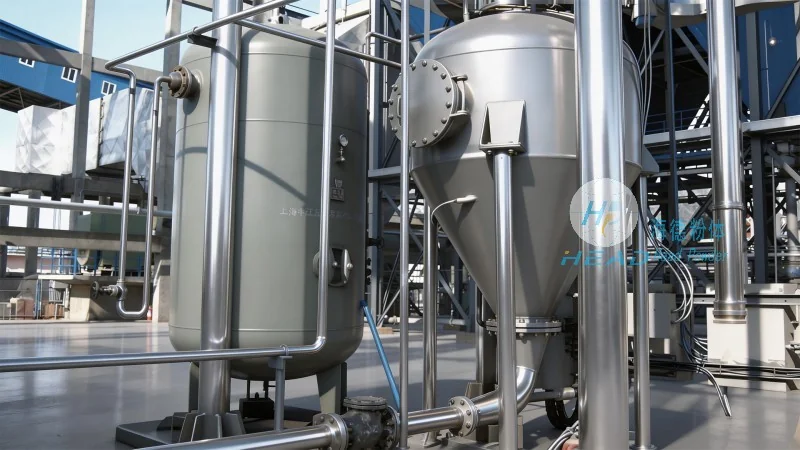
Understanding the Core Principle of Pneumatic Conveying for Clay Ash
The pneumatic conveying system for clay ash operates on the principle of transporting bulk materials through a pipeline using a stream of air or gas. Unlike traditional mechanical conveying methods, which rely on belts, screws, or buckets, pneumatic systems utilize air pressure to move particles. In the case of clay ash, which is typically fine and dusty, this method minimizes dust generation and provides a more hygienic handling environment. The system consists of a series of components, including a hopper for material storage, a feeder to control the flow rate, a conveying pipeline, and a receiver for the material's final destination. The air is generated by a blower or compressor, which creates a pressure differential that propels the clay ash particles through the pipeline. The velocity of the air and the size of the particles determine the efficiency of the conveying process. For clay ash, which is often lightweight and fine, a low-pressure or high-velocity system is commonly employed to ensure stable and continuous transport. The design of the conveying line, including the diameter and length of the pipeline, is critical to maintaining the material's flow without clogging or degradation. Additionally, the use of bends and fittings is optimized to minimize pressure loss and prevent particle accumulation, which could lead to system blockages. The control system, which monitors air pressure, flow rate, and material level, ensures that the operation remains stable and responsive to changes in production demands. This integrated approach to pneumatic conveying not only enhances the efficiency of clay ash handling but also reduces operational costs by minimizing downtime and maintenance requirements.
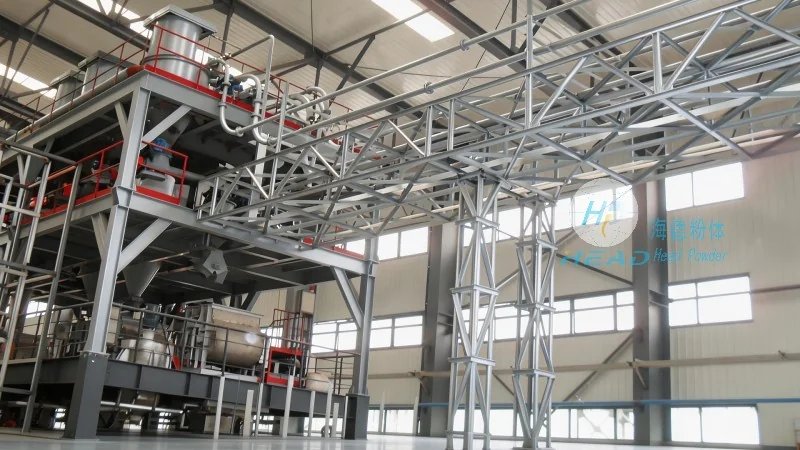
Key Working Scene Characteristics of Clay Ash Pneumatic Conveying Equipment
The working scenes where clay ash pneumatic conveying equipment is applied are diverse and tailored to specific industrial needs. These systems are commonly found in power plants, where clay ash is a byproduct of coal combustion, and in cement factories, where it is used as a raw material or filler. In power plants, the equipment is integrated into the ash handling system, which collects ash from boilers and transports it to storage or disposal sites. The working scene here involves large volumes of ash, often in high-temperature environments, requiring robust and heat-resistant materials for the conveying components. The equipment must be able to handle variations in ash composition, such as changes in moisture content or particle size, which can affect the conveying efficiency. In cement factories, the clay ash is used as a supplementary cementitious material (SCM), and the pneumatic conveying system is used to transport it from storage silos to the cement production line. The working scene in this case involves precise control of the ash flow rate to maintain the desired cement composition, as well as the need for clean and dust-free handling to meet quality standards. The equipment is often installed in enclosed spaces to prevent dust contamination and to comply with environmental regulations. Another common working scene is in recycling facilities, where clay ash is processed and reused in construction materials. Here, the pneumatic conveying system is used to transport the ash from processing units to mixing or storage areas. The working scene in recycling plants emphasizes the need for flexibility and adaptability, as the ash composition may vary depending on the source material. The equipment must be able to handle different particle sizes and moisture levels, ensuring consistent performance. Additionally, the working scene may involve integration with other processing equipment, such as crushers or classifiers, to adjust the ash characteristics before conveying. The characteristics of these working scenes highlight the importance of customizing the pneumatic conveying system to meet the specific requirements of each application. This includes considerations such as the material's physical properties, the distance to be conveyed, and the environmental conditions. By tailoring the equipment to the working scene, the efficiency and reliability of the clay ash handling process are significantly improved.
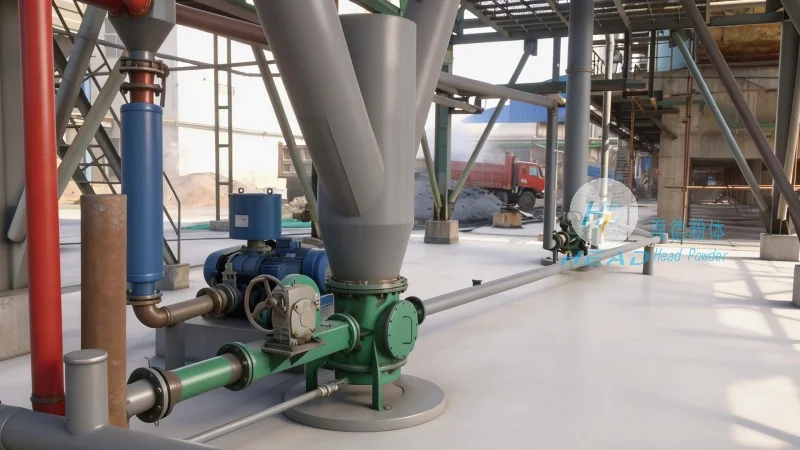
Advantages and Practical Applications in Industrial Settings
The adoption of pneumatic conveying equipment for clay ash material offers several advantages that make it a preferred choice in industrial applications. One of the primary benefits is the reduction in dust generation compared to mechanical conveying methods. This not only improves workplace safety by minimizing respiratory hazards but also reduces the need for dust control measures, such as filtration systems. The equipment is also more compact and flexible, allowing for easier installation in existing facilities or in new construction projects. The ability to transport materials over long distances without the need for intermediate storage or transfer points simplifies the overall material handling process. In addition, the system is less prone to clogging and blockages, as the air flow helps to keep the particles moving and prevents the buildup of material in the pipeline. This reduces maintenance costs and downtime, which are critical factors in industrial operations. The practical applications of clay ash pneumatic conveying equipment are widespread and demonstrate its versatility. In power plants, the system is used to transport ash from the boiler to the storage silo, where it can be used as a fuel or disposed of safely. In cement factories, the equipment is used to deliver clay ash to the cement mill, where it is mixed with other raw materials to produce high-quality cement. The equipment is also used in construction material recycling plants, where the ash is processed and used as a filler in concrete or other building materials. The consistent performance of the system ensures that the ash is delivered to the processing units in the correct quantity and quality, which is essential for maintaining product standards. Furthermore, the system's ability to handle varying ash compositions allows for the efficient utilization of different sources of clay ash, maximizing the resource recovery and reducing waste. The advantages of pneumatic conveying, combined with its practical applications, make it an essential component in modern industrial material handling systems. By understanding the principles and characteristics of these systems, industries can optimize their operations and improve overall efficiency.