

Principle and Working Scene Characteristics of Sodium Hydroxide Material Pneumatic Conveying Equipme
HeadPowder, a leading manufacturer based in Shandong, China, specializes in providing advanced pneumatic conveying solutions for handling sodium hydroxide. This article explores the fundamental principles behind such equipment and highlights the key operational scenarios where these systems are effectively utilized.
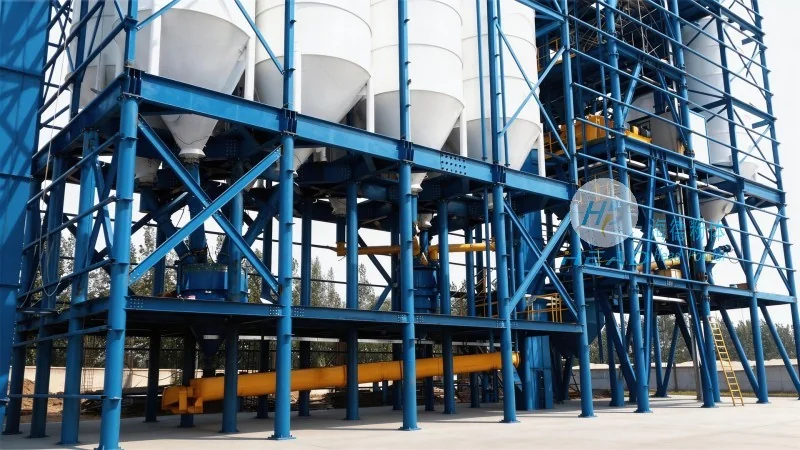
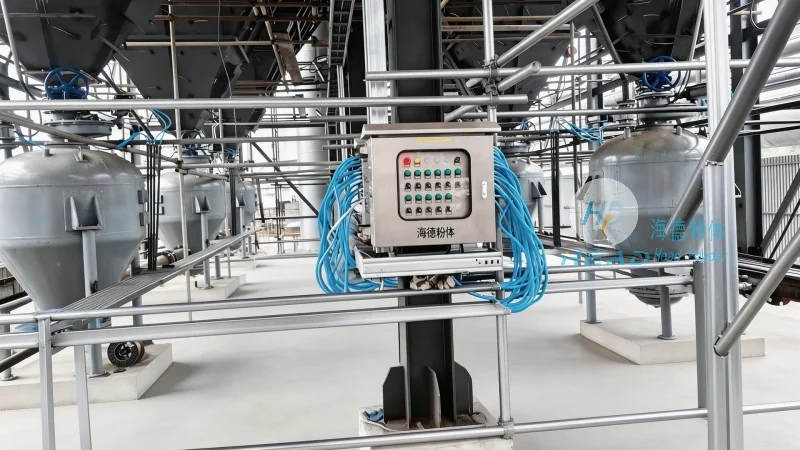
The Working Principle of Pneumatic Conveying Systems for Sodium Hydroxide
Pneumatic conveying equipment operates by transporting bulk materials like sodium hydroxide through a pipeline using a stream of air or other gas. The core mechanism involves creating a pressure differential or utilizing vacuum to move the material. In a typical setup, a blower or compressor generates the necessary airflow, which is then directed into the conveying line. The sodium hydroxide is introduced into the system, often via a hopper or feeder, and is entrained by the air stream. As the mixture travels through the pipeline, the air velocity and pressure are carefully controlled to ensure stable and efficient transport. The system may include components such as a rotary valve, filter, and receiver to manage the material flow and maintain system integrity. This method offers advantages over traditional mechanical conveying, including reduced equipment wear, lower maintenance requirements, and the ability to handle materials in a closed system, minimizing dust and environmental impact.
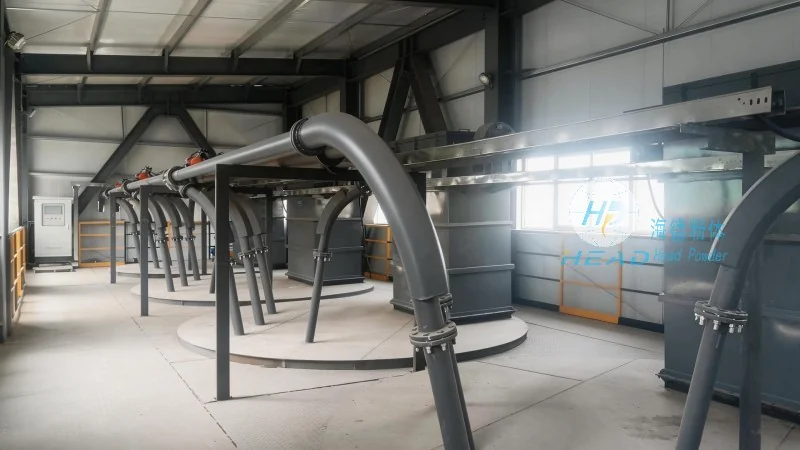
Key Working Scene Characteristics of Sodium Hydroxide Pneumatic Conveying
The application of sodium hydroxide pneumatic conveying equipment varies across different industrial settings. In chemical manufacturing plants, these systems are commonly used for transferring sodium hydroxide from storage silos to processing units, ensuring a continuous and controlled supply. The closed-loop design helps maintain material purity and safety, which is critical in chemical production environments. In food processing facilities, where sodium hydroxide is used for cleaning and processing, pneumatic conveying systems provide a hygienic and efficient method to move the material without direct human contact. Additionally, in industrial cleaning and maintenance operations, these equipment are employed to transport sodium hydroxide for surface treatment and decontamination tasks. The flexibility of pneumatic conveying allows for integration into existing production lines, adapting to various process requirements and spatial constraints. The ability to handle both dry and slightly moist sodium hydroxide makes these systems versatile for diverse applications.
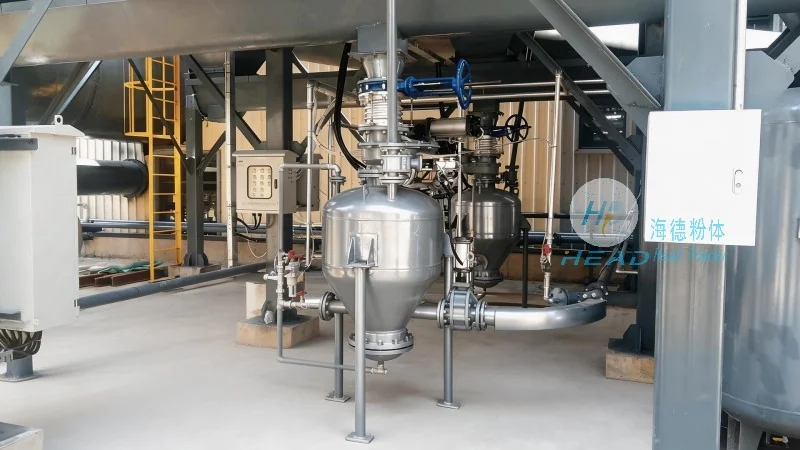
HeadPowder's Expertise in Sodium Hydroxide Pneumatic Conveying Solutions
Shandong HeadPowder Engineering Co., Ltd., with its headquarters in Shandong, China, has established itself as a trusted provider of customized pneumatic conveying equipment tailored to the needs of sodium hydroxide handling. The company leverages advanced engineering and manufacturing capabilities to design systems that meet stringent industry standards. By integrating cutting-edge technology and materials, HeadPowder ensures that its equipment is durable, efficient, and reliable. The company’s team of experts works closely with clients to understand their specific operational requirements, offering tailored solutions that enhance productivity and safety. Whether for new installations or system upgrades, HeadPowder provides comprehensive support, including design, installation, and maintenance services. The company’s commitment to quality and customer satisfaction has made it a preferred choice for industries relying on sodium hydroxide processing and transportation.