

Principle and Working Scene Characteristics of Catalyst Material Pneumatic Conveying Equipment
HeadPowder, a leading provider of industrial material handling solutions, specializes in the design and manufacturing of advanced pneumatic conveying systems tailored for catalyst material transport. This article delves into the fundamental principles behind these systems and highlights the key characteristics of their operational environments.
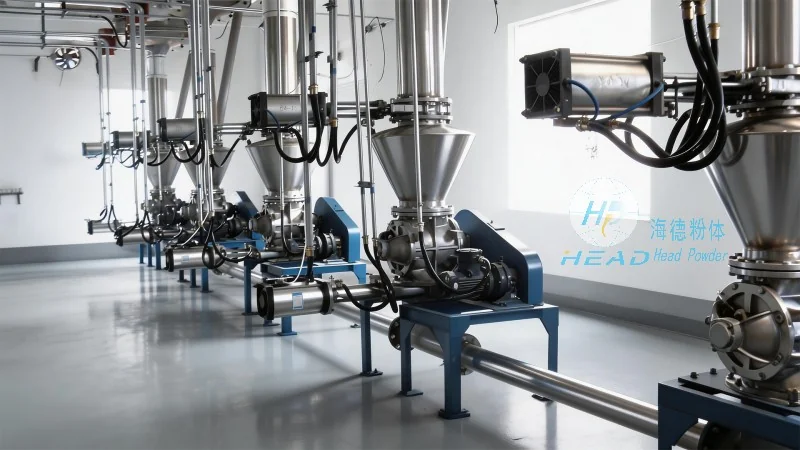
Understanding Pneumatic Conveying for Catalyst Materials
Pneumatic conveying systems utilize air or other gases to transport bulk materials, such as catalyst powders, through a network of pipes. The core principle involves creating a pressure differential that propels the material from the source to the destination. There are two primary types of pneumatic conveying: pressure and vacuum systems. Pressure systems operate by forcing air into the conveying line under pressure, while vacuum systems create a negative pressure to draw material into the system. For catalyst materials, which often require precise handling to maintain their quality and performance, the choice of system depends on factors like material properties, distance, and process requirements.
Key Working Scene Characteristics
The operational environments where catalyst material pneumatic conveying equipment is deployed exhibit distinct characteristics that influence system design and performance. These characteristics include:
1. Process Integration: Catalysts are typically used in high-value industrial processes, such as chemical synthesis and refining. The conveying equipment must seamlessly integrate with existing production lines, ensuring minimal disruption and maintaining the integrity of the catalyst particles. This requires precise control over flow rates, pressure, and temperature to prevent degradation or agglomeration of the material.
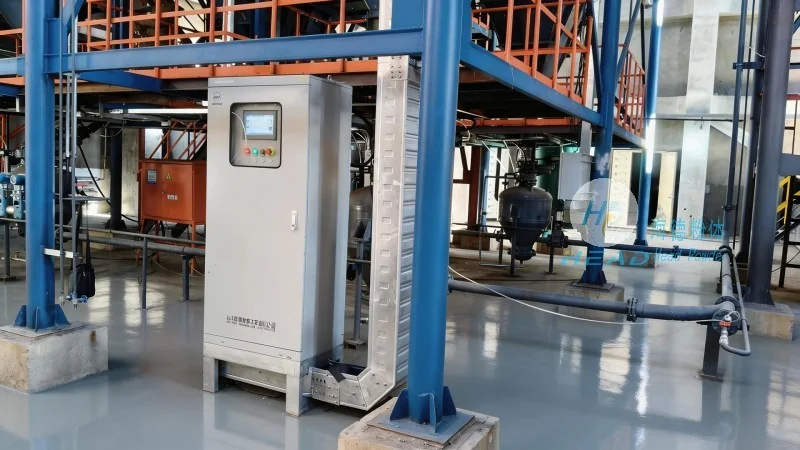
2. Material Handling Requirements: Catalyst powders often have specific particle size distributions, moisture content, and flow characteristics. The pneumatic conveying system must be capable of handling these variations without causing blockages or excessive wear on components. For example, systems designed for fine powders may use high-velocity air to maintain particle suspension, while those for coarser materials might employ lower velocities to reduce energy consumption and equipment wear.
3. Environmental and Safety Considerations: Catalyst materials can be sensitive to environmental factors, including moisture and contamination. The conveying system must be designed to minimize exposure to air and prevent cross-contamination between different batches. Additionally, safety features, such as explosion-proof designs and pressure relief valves, are critical in industrial settings where catalysts may be flammable or reactive.
4. Space and Layout Constraints: Industrial facilities often have limited space and complex layouts. The pneumatic conveying equipment must be adaptable to these constraints, with flexible pipe routing and compact system designs. This allows for efficient use of available space while maintaining optimal material flow and minimizing the risk of leaks or spills.
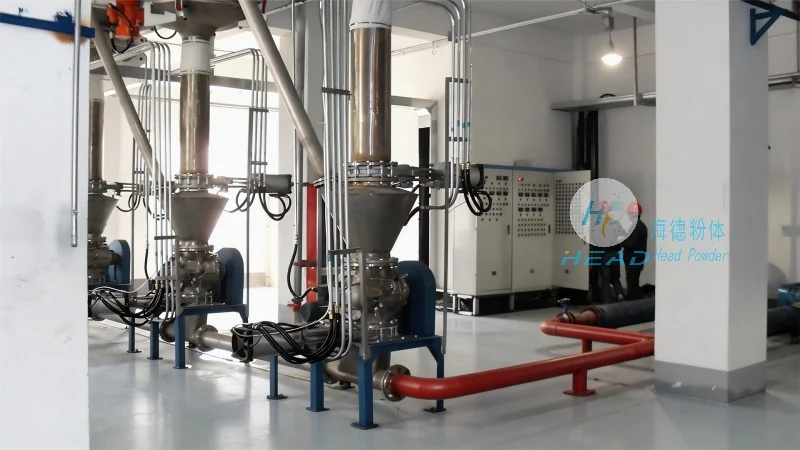
Applications and Performance Optimization
The working scene characteristics directly impact the performance and efficiency of the pneumatic conveying system. To optimize performance, several factors must be considered, including:
1. System Sizing and Design: Proper sizing of the conveying line, air compressor, and control valves is essential to ensure consistent material flow and prevent system overload. The system must be designed to handle the maximum expected material throughput while maintaining energy efficiency.
2. Material Compatibility: The choice of materials for the conveying components, such as pipes, valves, and filters, must be compatible with the catalyst material to avoid chemical reactions or corrosion. For example, stainless steel or special alloys may be used for corrosive catalysts, while plastic components may be suitable for non-reactive materials.
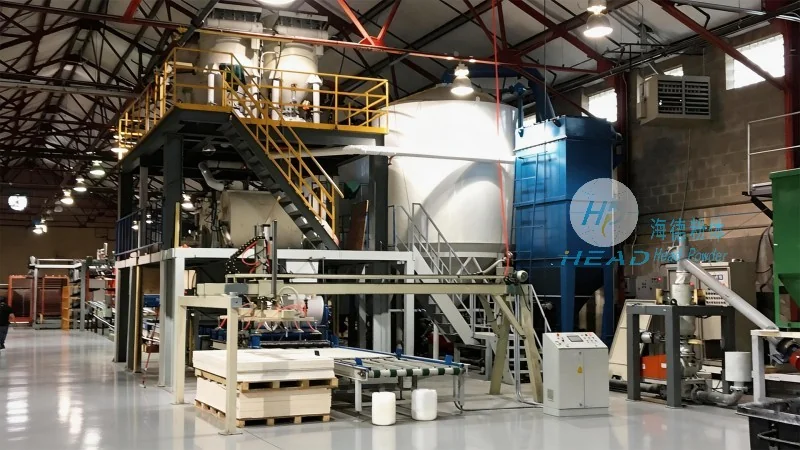
3. Control and Monitoring: Advanced control systems, including sensors and automation, are used to monitor and adjust the conveying process in real-time. This ensures that the system operates within optimal parameters, reducing downtime and improving overall efficiency. For instance, pressure sensors can detect blockages or changes in flow rate, triggering automatic adjustments to maintain consistent performance.
4. Maintenance and Durability: The equipment must be durable and easy to maintain to minimize operational costs. Regular maintenance, such as cleaning filters and inspecting components, is crucial to prevent system failures and ensure long-term reliability. The design of the system, including wear-resistant materials and easy access points, contributes to its overall durability and service life.
Conclusion
In conclusion, the principle and working scene characteristics of catalyst material pneumatic conveying equipment are critical to its successful application in industrial processes. By understanding the fundamental principles of pneumatic conveying and the specific requirements of the working environment, manufacturers like Shandong HeadPowder Engineering Co., Ltd. can design and implement systems that ensure efficient, safe, and reliable transport of catalyst materials. The integration of advanced technology and careful consideration of operational factors enables these systems to meet the demanding needs of modern industrial applications.