

[Principle and Working Scene Characteristics of Silica Micropowder Material Pneumatic Conveying Line
HeadPowder, a leading engineering firm based in Shandong, China, specializes in the design and implementation of advanced pneumatic conveying systems tailored for handling silica micropowder materials. This article delves into the fundamental principles behind these systems and highlights the key characteristics of their operational environments.
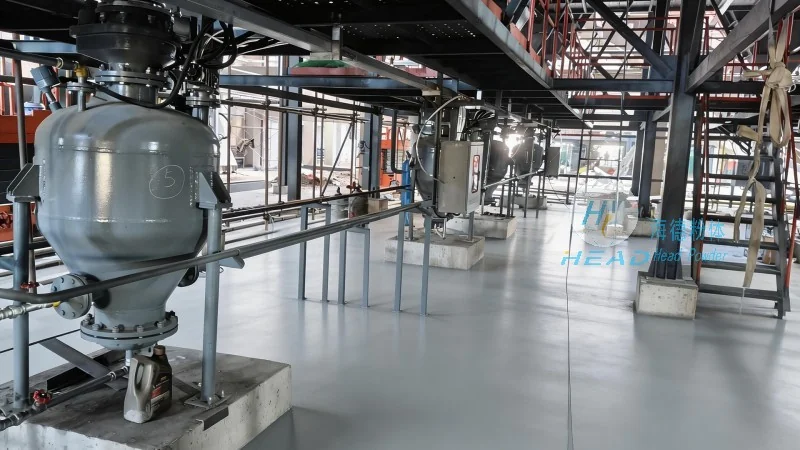
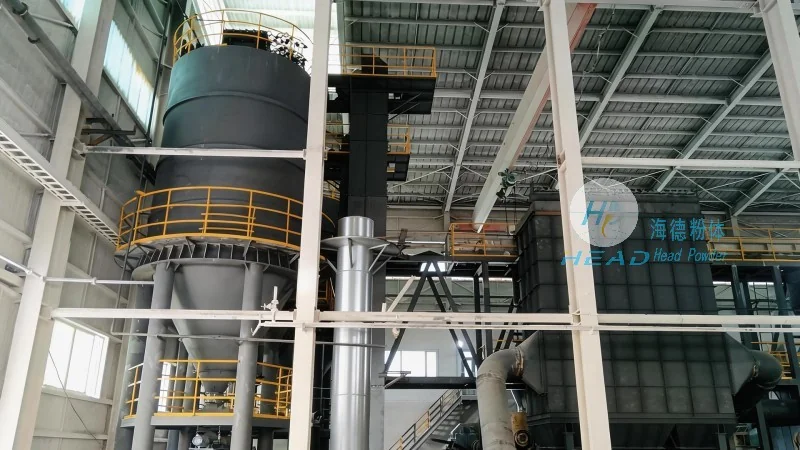
Understanding the Core Principle of Pneumatic Conveying for Silica Micropowders
The pneumatic conveying line for silica micropowder materials operates on the principle of transporting solid particles through a pipeline using a pressurized or vacuum air stream. Unlike traditional mechanical conveying methods, this approach eliminates the need for moving parts in the conveying path, significantly reducing maintenance requirements and enhancing safety. The system typically consists of a material hopper, a conveying pipe, a pressure or vacuum source, and a discharge unit. The silica micropowder is fed into the hopper, where it is pneumatically transported through the pipe by the air flow. This method is particularly effective for handling fine powders that are prone to dusting and caking, as the air stream helps to keep the particles suspended and prevents agglomeration.
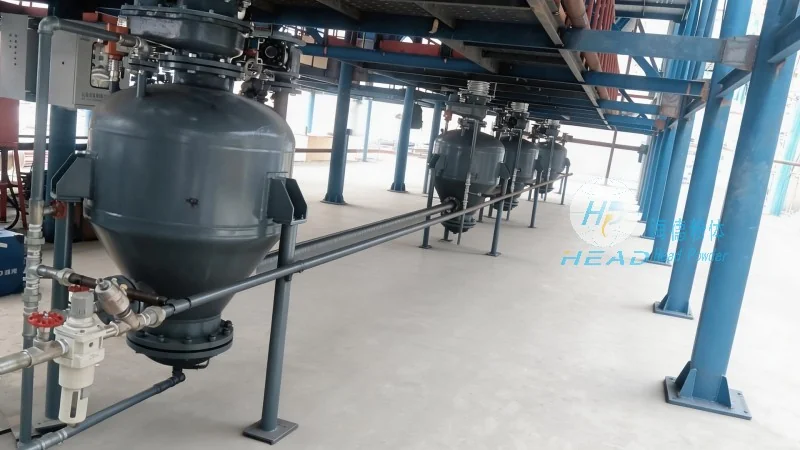
Key Working Scene Characteristics of Silica Micropowder Pneumatic Conveying Systems
When deployed in industrial settings, the pneumatic conveying line for silica micropowders exhibits several distinct characteristics that make it suitable for various applications. First, the system is highly efficient in terms of space utilization, as it can transport materials over long distances without the need for multiple transfer points or intermediate storage. This is crucial in manufacturing facilities where space is limited and material flow needs to be streamlined. Second, the conveying process is gentle on the material, preserving the integrity of the silica micropowder particles. This is vital for applications where the powder's physical properties, such as particle size distribution and surface area, must remain consistent. Third, the system offers excellent dust control, as the enclosed pipeline prevents the release of fine particles into the environment, ensuring compliance with environmental regulations and maintaining a clean working environment. Additionally, the flexibility of the system allows for easy integration with existing production lines, enabling seamless material transfer from one process step to another.
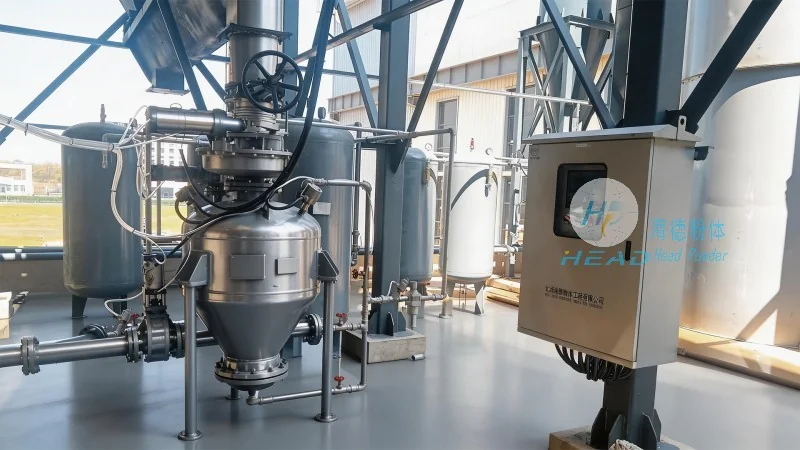
Applications and Operational Advantages in Real-World Scenarios
HeadPowder's pneumatic conveying lines for silica micropowders are widely used in industries such as electronics, pharmaceuticals, and food processing, where the handling of fine powders requires precision and reliability. In the electronics industry, for example, these systems are used to transport silica micropowders used in the production of semiconductor components, ensuring that the powders are delivered to the manufacturing line without contamination or degradation. In the pharmaceutical sector, the gentle conveying process helps maintain the sterility and purity of the materials, which is critical for drug production. The operational advantages of these systems also include reduced downtime due to fewer mechanical components and lower energy consumption compared to traditional conveying methods. Furthermore, the ability to adjust the air pressure and flow rate allows for precise control over the material's velocity and distribution, optimizing the overall production efficiency.