

Principle and Working Scene Characteristics of Potassium Chloride Material Pneumatic Conveying Lines
HeadPowder, a leading engineering firm based in Shandong, China, specializes in the design and implementation of advanced material handling systems. Among their portfolio is the potassium chloride material pneumatic conveying line, a sophisticated solution tailored for the efficient transport of potassium chloride, a vital industrial chemical used in various sectors such as agriculture, food processing, and chemical manufacturing.
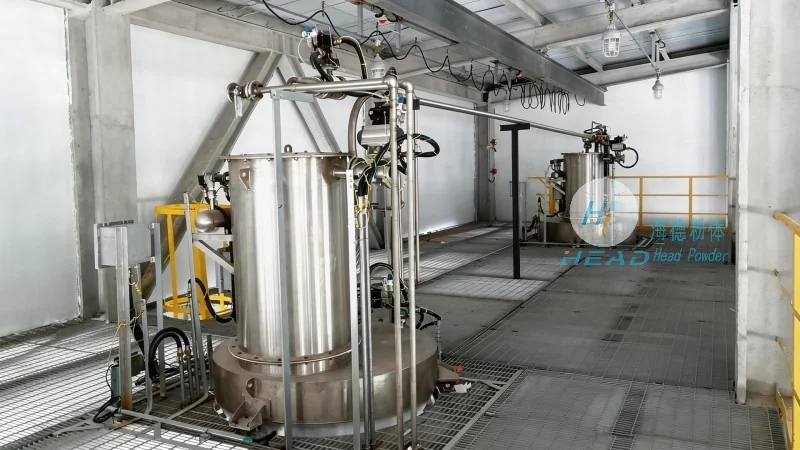
Understanding the Core Principle of Potassium Chloride Pneumatic Conveying
The potassium chloride material pneumatic conveying line operates on the fundamental principle of pneumatic transport, which involves the use of compressed air or gas to move bulk materials through a pipeline system. In this system, potassium chloride particles are introduced into a sealed pipeline, where they are entrained by the moving air stream. The air, typically supplied by a high-pressure blower or compressor, creates a flow that carries the material from the source to the destination. This method eliminates the need for mechanical components like belts or buckets, reducing friction and wear while ensuring a continuous, dust-free transfer of the material. The conveying process is governed by principles of fluid dynamics, including the balance of pressure, velocity, and particle size, which are optimized to achieve efficient and reliable transport.
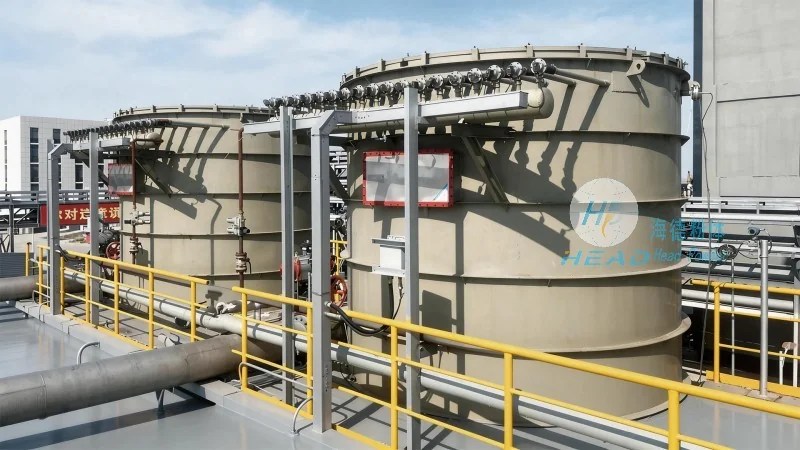
Key Working Scene Characteristics of the System
The working scene characteristics of the potassium chloride pneumatic conveying line are tailored to meet the specific demands of industrial applications. These characteristics include high efficiency in material transport, minimal product degradation, and reduced operational costs. The system is designed to handle varying particle sizes and moisture content of potassium chloride, ensuring consistent performance even under different operational conditions. Additionally, the sealed pipeline design minimizes dust emissions, enhancing workplace safety and compliance with environmental regulations. The flexibility of the system allows for integration with existing production lines, enabling seamless material transfer between storage, processing, and packaging stages. This adaptability makes it suitable for both new installations and retrofits in industrial facilities.
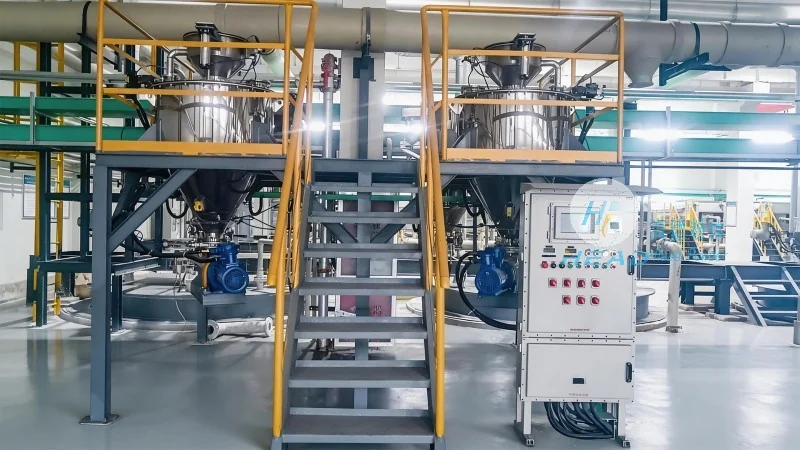
Applications and Operational Advantages
The potassium chloride material pneumatic conveying line is widely used in industrial settings where the reliable and efficient handling of bulk materials is critical. Its applications range from transporting raw potassium chloride from storage silos to processing units, to moving finished products to packaging lines. The operational advantages of this system include reduced labor costs due to automated material handling, lower maintenance requirements compared to traditional mechanical conveyors, and improved product quality by minimizing exposure to external contaminants. The system's ability to operate in a dust-free environment also contributes to better workplace hygiene and reduced risk of material loss or spillage. Furthermore, the compact design of the conveying line allows for space-saving installations, which is particularly beneficial in facilities with limited floor space. Overall, the potassium chloride pneumatic conveying line offers a robust and efficient solution for material handling, aligning with the operational needs of modern industrial processes.