

Principle and Working Scene Characteristics of Phosphate Iron Material Pneumatic Conveying Lines
Phosphate iron is a vital material in contemporary industrial sectors, especially in the manufacturing of lithium iron phosphate batteries and advanced chemical products. The efficient management and transportation of phosphate iron powders and granules are crucial for maintaining production efficiency and product quality. Pneumatic conveying systems have become a preferred solution for this purpose, offering a flexible and reliable method to move phosphate iron materials between processing stages.
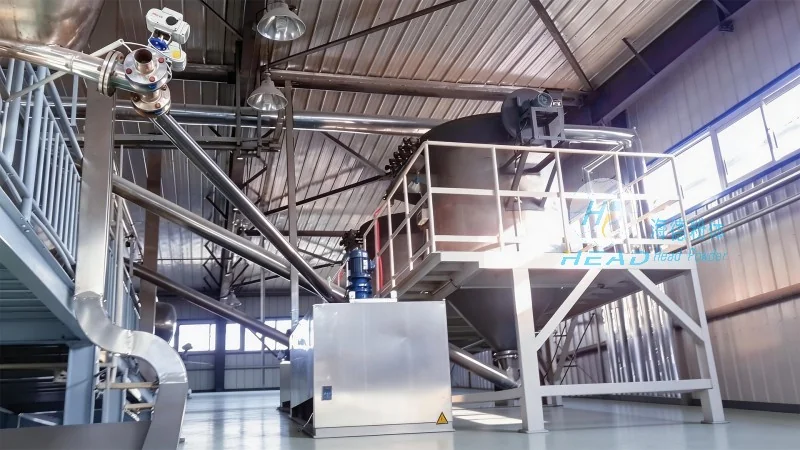
Principle of Pneumatic Conveying for Phosphate Iron Materials
The fundamental principle of pneumatic conveying involves utilizing a stream of air or other gas to transport solid particles through a pipeline. For phosphate iron materials, the system typically operates under pressure or vacuum, depending on the specific application requirements. The material is fed into the conveying line, often with the assistance of a feeder or hopper, and is then entrained by the moving air stream. This process enables continuous and controlled movement of phosphate iron powders or granules without the need for mechanical components like belts or buckets, which can be susceptible to wear and maintenance issues.
There are two primary types of pneumatic conveying systems used for phosphate iron materials: positive pressure systems and negative pressure (or vacuum) systems. Positive pressure systems generate air pressure at the inlet of the conveying line, pushing the material forward. These systems are commonly employed for long-distance or high-capacity transport, as they can maintain consistent flow rates and handle abrasive materials like phosphate iron without significant wear. Negative pressure systems, conversely, create a vacuum at the discharge end, drawing the material into the line. This method is often preferred for applications where dust control is a priority, as the sealed system prevents material from escaping into the environment.
Working Scene Characteristics of Phosphate Iron Pneumatic Conveying Lines
The working scene characteristics of phosphate iron pneumatic conveying lines are shaped by several key factors, including the material properties, production environment, and operational requirements. For phosphate iron, which is often a fine powder or small granules, the conveying system must be designed to handle high dust content and potential agglomeration. The system's design, such as the choice of pipeline material (e.g., stainless steel or plastic) and the configuration of bends and fittings, plays a crucial role in minimizing material degradation and ensuring smooth flow.
One of the primary working scene characteristics is the need for dust control and environmental compliance. Phosphate iron powders can be fine and easily airborne, posing health and safety risks if not properly contained. Therefore, many pneumatic conveying systems for phosphate iron are equipped with dust collection and filtration systems to capture any escaped particles. This not only protects workers and the environment but also maintains the purity of the material, which is critical for downstream processes like battery manufacturing.
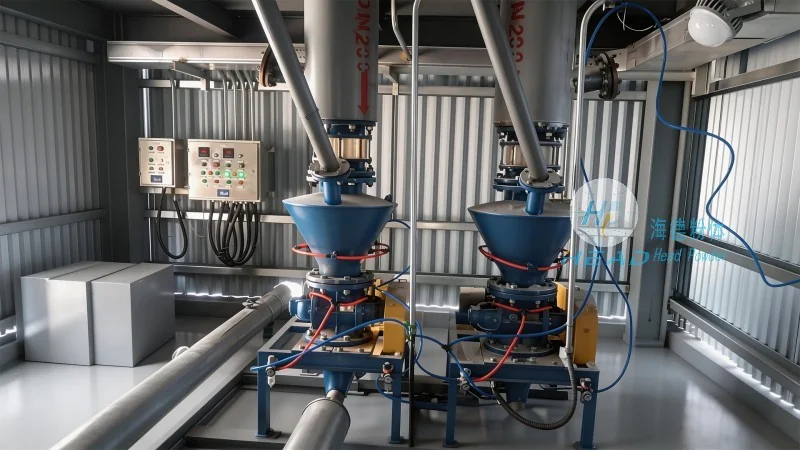
Another important characteristic is the system's adaptability to varying production volumes and operational conditions. In phosphate iron production facilities, demand for material transport can fluctuate based on production schedules or batch processing. Pneumatic conveying systems can be easily scaled or adjusted to handle different flow rates, making them suitable for both small-scale laboratory applications and large-scale industrial production lines. This flexibility allows manufacturers to optimize their operations and respond quickly to changes in production needs.
Application Scenarios in Phosphate Iron Production
Phosphate iron pneumatic conveying lines are widely utilized in various stages of phosphate iron production, from raw material handling to finished product packaging. In the initial stages, the system may be used to transport raw phosphate ore or pre-treated materials from storage silos to processing equipment. This initial transport is critical for ensuring a consistent supply of raw materials, which directly impacts the efficiency of subsequent chemical reactions and product formation.
During the chemical processing stage, pneumatic conveying is often employed to move intermediate products, such as partially reacted phosphate iron compounds, between reactors and filtration or drying units. The ability to handle fine powders and maintain material integrity is particularly important here, as any loss of material or contamination can affect the final product's purity and performance. The system's ability to operate under controlled conditions, such as maintaining specific temperature or humidity levels, further enhances its suitability for these sensitive processes.
In the final stages of production, the pneumatic conveying line may be used to transport finished phosphate iron products to packaging or storage areas. This final transport step requires careful handling to prevent product degradation or contamination, which is essential for meeting quality standards and customer expectations. The system's reliability and efficiency in these final stages contribute to overall production throughput and cost-effectiveness.
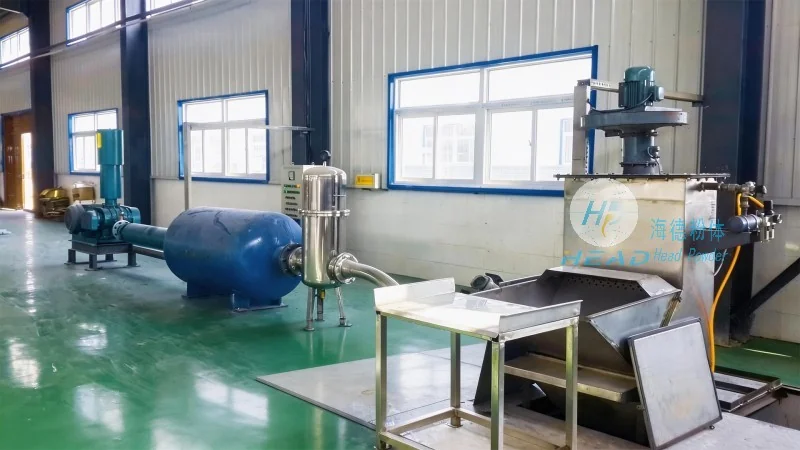
Advantages of Using Pneumatic Conveying for Phosphate Iron
Compared to traditional mechanical conveying methods, pneumatic conveying offers several advantages for handling phosphate iron materials. One of the most significant benefits is the reduction in material degradation and contamination. Since the material is transported in a sealed system, it is less exposed to external factors like moisture, air, or contaminants, which can affect its properties. This is particularly important for phosphate iron, which is sensitive to moisture and can undergo chemical changes if not handled properly.
Another advantage is the system's flexibility and scalability. Pneumatic conveying lines can be easily modified or expanded to accommodate changes in production volume or material types, making them a long-term investment for manufacturers. The system also reduces labor costs and maintenance requirements, as there are fewer mechanical components that need regular inspection or replacement. This leads to lower operational costs and increased overall efficiency.
Furthermore, pneumatic conveying systems provide better dust control and environmental protection compared to other methods. The sealed pipeline and integrated dust collection systems help minimize the release of fine particles into the workplace, improving air quality and worker safety. This is a critical consideration in industries where phosphate iron is processed, as exposure to fine powders can pose health risks. The environmental benefits also contribute to compliance with regulations and sustainability goals.
Conclusion
Phosphate iron material pneumatic conveying lines represent a sophisticated and efficient solution for handling phosphate iron powders and granules in industrial applications. By leveraging the principles of pneumatic transport, these systems offer reliable, flexible, and environmentally friendly methods to move materials through various production stages. The working scene characteristics, including dust control, adaptability, and material integrity, make them an ideal choice for phosphate iron production facilities. As the demand for phosphate iron in battery and chemical industries continues to grow, the importance of efficient material handling systems like pneumatic conveying will only increase. Companies like Shandong HeadPowder Engineering Co., Ltd. play a vital role in providing tailored solutions that meet the specific needs of phosphate iron manufacturers, ensuring optimal performance and sustainability in their operations.