

Principle and Working Scene Characteristics of Chloroprene Rubber Material Pneumatic Conveying Lines
Shandong HeadPowder Engineering Co., Ltd. specializes in providing advanced solutions for material handling, including pneumatic conveying systems tailored for chloroprene rubber applications. The company, known as HeadPowder, is headquartered in Shandong, China, and has established itself as a leader in engineering efficient and reliable systems for industrial material transport.
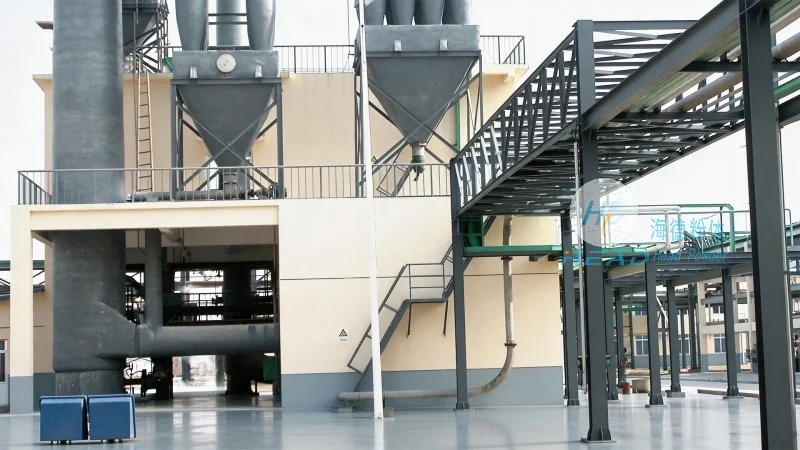
Core Principle of Chloroprene Rubber Pneumatic Conveying Lines
The core principle of a chloroprene rubber material pneumatic conveying line involves the use of air as the medium to transport bulk materials. This system typically operates by generating a pressure differential, either through positive pressure or negative pressure (vacuum) methods. In positive pressure systems, compressed air is introduced into the material feed point, creating a high-pressure environment that propels the rubber particles through the pipeline. The pipeline is designed with appropriate bends, valves, and filters to ensure smooth flow and prevent blockages. Negative pressure systems, on the other hand, use suction to draw the material from the source into the conveying line, often employing cyclone separators or other air filtration components to separate the rubber particles from the air stream.
Working Scene Characteristics and Application Demands
The working scene characteristics of such systems are tailored to the specific demands of chloroprene rubber processing environments. These systems are commonly used in industrial settings where the material needs to be transported over short to medium distances, often within a manufacturing facility or between different processing units. The design of the conveying line is critical to handle the physical properties of chloroprene rubber, which can vary in particle size, density, and moisture content. For instance, in applications involving fine or powdery chloroprene rubber, the system may incorporate special filters and cyclones to ensure high efficiency and minimal loss of material. Additionally, the system's ability to maintain consistent flow rates and pressure levels is essential for maintaining the quality of the rubber product, as fluctuations can affect its final properties.
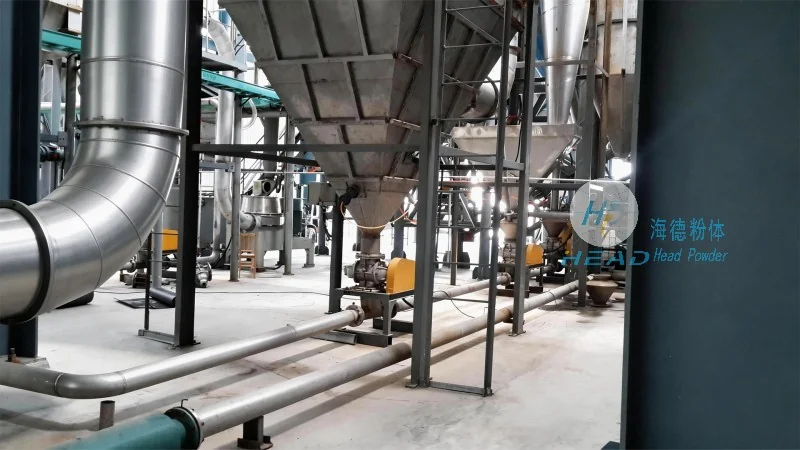
Advantages in Handling Chloroprene Rubber Properties
One of the key advantages of pneumatic conveying lines for chloroprene rubber is their ability to handle abrasive or sticky materials without the need for mechanical components that might wear out or get clogged. The air-based transport minimizes the risk of material degradation, as the rubber particles are not subjected to friction or compression that could alter their molecular structure. Furthermore, these systems offer flexibility in terms of layout, allowing for horizontal, vertical, or combined (inclined) transport paths, which can be adapted to the specific spatial constraints of a facility. The integration of control systems, such as pressure sensors and flow meters, enables real-time monitoring and adjustment of the conveying process, ensuring optimal performance and reducing downtime.
Industrial Application Scenarios
The working scene characteristics of chloroprene rubber material pneumatic conveying lines are closely aligned with the operational requirements of industrial facilities that process this specialized rubber. These systems are typically deployed in environments where the material is produced, processed, or transferred between different stages of manufacturing. For example, in a tire manufacturing plant, the conveying line may transport chloroprene rubber from storage silos to mixing equipment, ensuring a continuous and controlled supply of raw material. Similarly, in a rubber sealant production facility, the system can move the rubber from grinding and drying units to extrusion or molding machines.
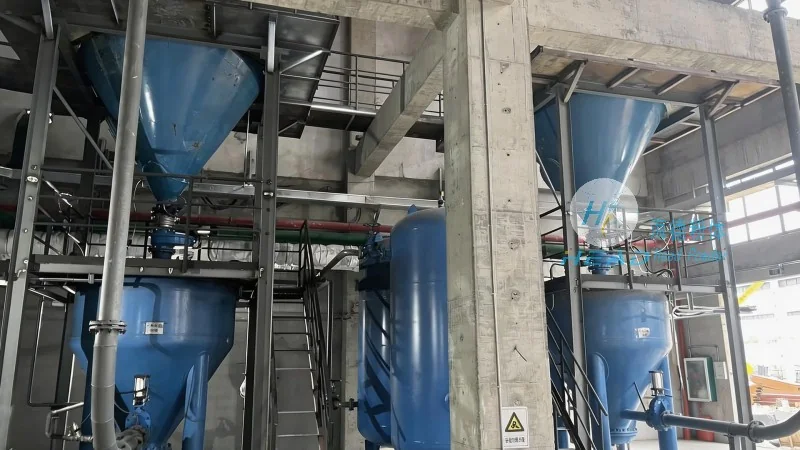
Design Considerations for Chloroprene Rubber Handling
The design of the conveying line is optimized to address the unique challenges posed by chloroprene rubber. The material's properties, such as its relatively high density and potential for stickiness, require specialized components to maintain efficient transport. For instance, the pipeline may be constructed from materials resistant to chemical corrosion, such as stainless steel or special alloys, to prevent degradation over time. The use of air filters and cyclone separators is crucial to remove any dust or moisture from the rubber particles, as these contaminants can affect the quality of the final product. Additionally, the system's control mechanisms, including pressure regulators and flow controllers, are calibrated to handle the specific flow characteristics of chloroprene rubber, ensuring consistent performance under varying load conditions.
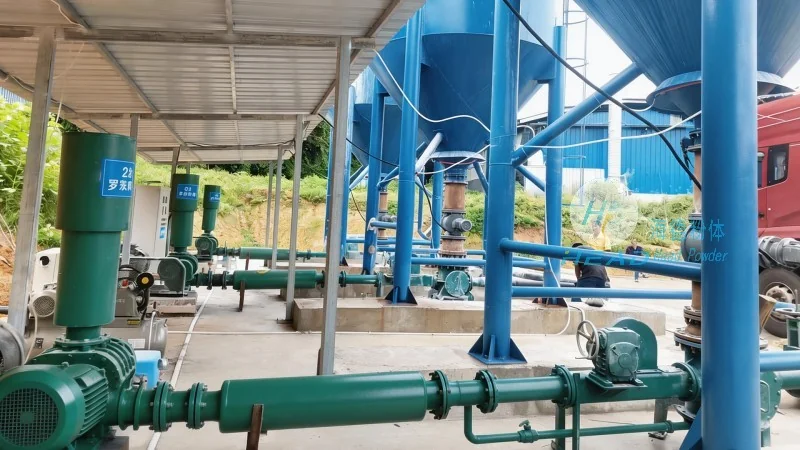
Operational Efficiency and Maintenance Benefits
In terms of operational efficiency, the pneumatic conveying line offers several advantages over traditional mechanical systems. It eliminates the need for conveyor belts or screw conveyors, which can be prone to wear and maintenance issues, especially when handling abrasive materials like chloroprene rubber. The air-based transport also reduces the risk of material contamination, as the rubber particles are not in direct contact with metal or other surfaces that could introduce impurities. Furthermore, the system's ability to operate in a closed loop (with proper filtration) helps maintain a clean and safe working environment, which is essential in industries where product quality and worker safety are paramount.
Flexibility and Adaptability in Working Scenarios
The working scene characteristics also extend to the flexibility and adaptability of the system. Modern pneumatic conveying lines can be customized to meet the specific spatial and operational needs of a facility. This includes the ability to integrate with existing equipment, such as storage silos, mixers, and processing machines, through modular components that can be easily installed and adjusted. The system's control software allows for remote monitoring and adjustment, enabling operators to optimize the conveying process in real-time, thereby improving overall productivity and reducing operational costs.