

Principle and Working Scene Characteristics of Paddy Grain Bulk Material Pneumatic Conveying Lines
HeadPowder, a leading engineering company based in Shandong, China, specializes in the design and manufacturing of advanced pneumatic conveying systems for bulk materials. The company's expertise lies in developing efficient solutions tailored to the unique requirements of paddy grain handling, ensuring optimal performance and reliability in agricultural processing operations.
Principle of Paddy Grain Bulk Material Pneumatic Conveying
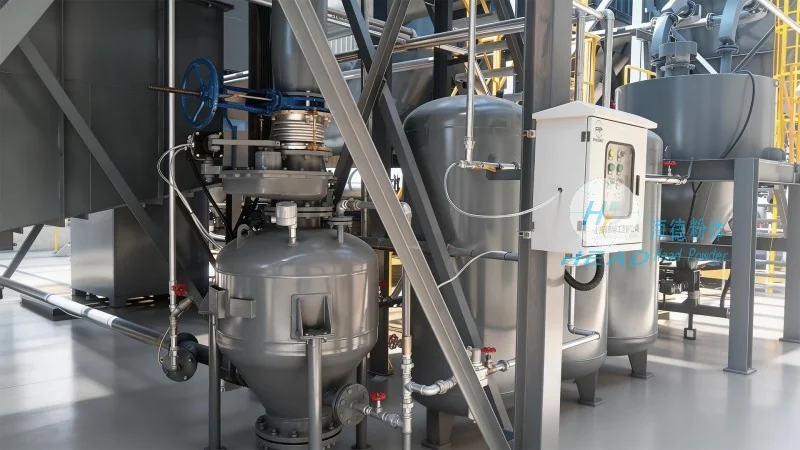
The pneumatic conveying of paddy grains operates on the fundamental principle of utilizing air as a transport medium to move bulk materials through a pipeline system. This method can be categorized into two primary types: positive pressure and negative pressure systems. In positive pressure systems, air is forced into the material using a blower or compressor, creating a pressure higher than the ambient air, which propels the grain-air mixture through the pipeline. Conversely, negative pressure systems create a vacuum by drawing air out of the system, pulling the material along with the air flow. The choice between these systems depends on factors such as the distance to be covered, the material's properties, and the desired level of control. The conveying line typically includes components like a hopper for material storage, a feeder to control the flow rate, and a pipeline network that may include bends, elbows, and expansion joints to accommodate the material's movement. The air mover, whether a rotary lobe blower or a centrifugal fan, is selected based on the required air volume and pressure to ensure efficient material transport. The entire system is designed to maintain a consistent flow rate, preventing material buildup or blockages, which is crucial for maintaining operational efficiency.
Working Scene Characteristics and Application Scenarios
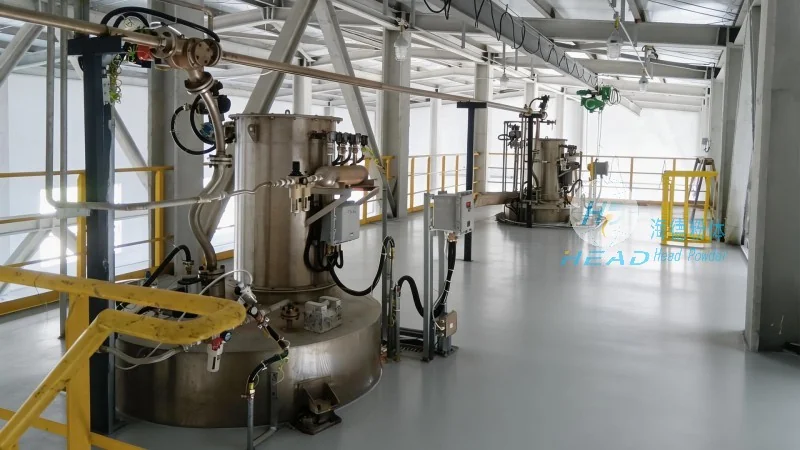
Paddy grain pneumatic conveying systems are integral to modern agricultural processing facilities, where they play a critical role in the handling and transportation of bulk paddy grains. The working scene characteristics of these systems are tailored to the specific operational needs of paddy grain processing plants, including large-scale storage, cleaning, dehusking, and milling operations. For example, in a typical paddy grain mill, the system may be used to transport paddy grains from a storage silo to a cleaning unit, where impurities are removed before further processing. The flexibility of pneumatic conveying allows for the integration of multiple processing stages within a single system, reducing the need for multiple transfer points and enhancing overall workflow efficiency. Additionally, the system is well-suited for applications in multi-story or complex facility layouts, where traditional mechanical conveying methods may be impractical due to space constraints or structural limitations. The working scene also involves considerations for material flow control, such as the use of control valves and flow meters to regulate the speed and volume of the conveying process, ensuring that the material is delivered to the processing equipment at the correct rate. The system's ability to handle varying grain conditions, including different moisture levels and particle sizes, makes it a versatile solution for diverse paddy grain processing operations, from raw grain reception to finished product packaging.
Key Features and Operational Advantages
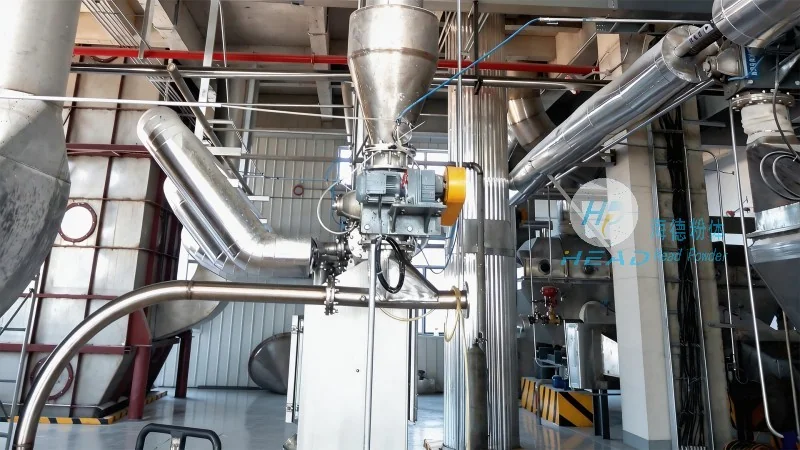
HeadPowder's paddy grain pneumatic conveying lines are engineered with several key features that enhance their performance, reliability, and efficiency. One of the primary advantages is the closed system design, which minimizes the risk of dust contamination and environmental exposure, a critical factor in food processing applications where product quality and hygiene are paramount. The system's high efficiency in material transfer is achieved through optimized air flow management, resulting in minimal energy consumption compared to traditional mechanical conveying methods. The use of air as the conveying medium reduces mechanical wear and tear on equipment, leading to lower maintenance costs and a longer operational lifespan. Furthermore, the modular design of the conveying line allows for easy installation and integration with existing processing equipment, reducing downtime during setup and operation. The system's adaptability to different grain types and processing requirements makes it a cost-effective solution for paddy grain handling operations, as it can be customized to meet specific operational needs. Additional features may include automated control systems that monitor and adjust the conveying process in real-time, ensuring consistent and reliable material transfer. These features collectively contribute to the overall effectiveness and cost-efficiency of paddy grain pneumatic conveying systems in agricultural processing environments.