

Principle and Working Scene Characteristics of Cement Clinker Material Pneumatic Conveying Equipment
For industrial applications involving the transport of cement clinker, pneumatic conveying systems offer a reliable and efficient solution. This article explores the fundamental principles behind cement clinker material pneumatic conveying machines and highlights key working scene characteristics that define their operational effectiveness. By understanding these aspects, industry professionals can better appreciate the role of such equipment in modern material handling processes.
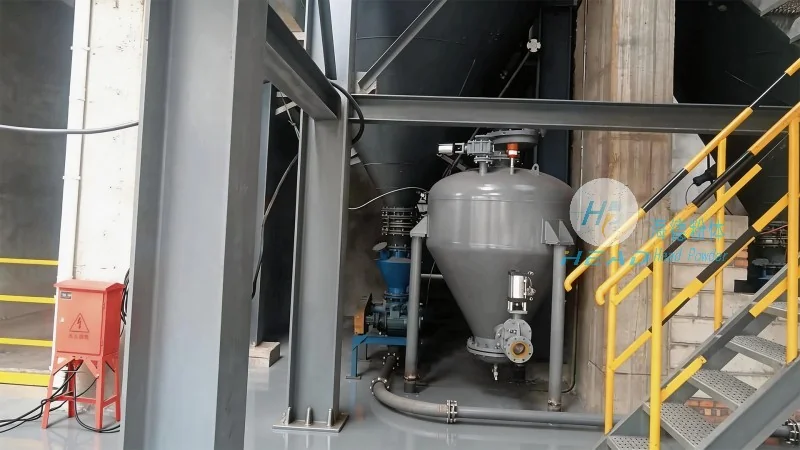
Understanding the Core Principle of Pneumatic Conveying for Cement Clinker
The fundamental principle of cement clinker material pneumatic conveying involves the use of compressed air or other gas to transport bulk materials through a pipeline system. In this process, the cement clinker particles are suspended in the air stream, allowing them to be moved from one location to another without the need for mechanical components like belts or buckets. This method leverages the kinetic energy of the gas to lift and propel the material, making it particularly suitable for applications where dust control and contamination prevention are critical. The efficiency of the system depends on factors such as air velocity, particle size, and the design of the conveying line, all of which are optimized to ensure smooth and continuous material transport.
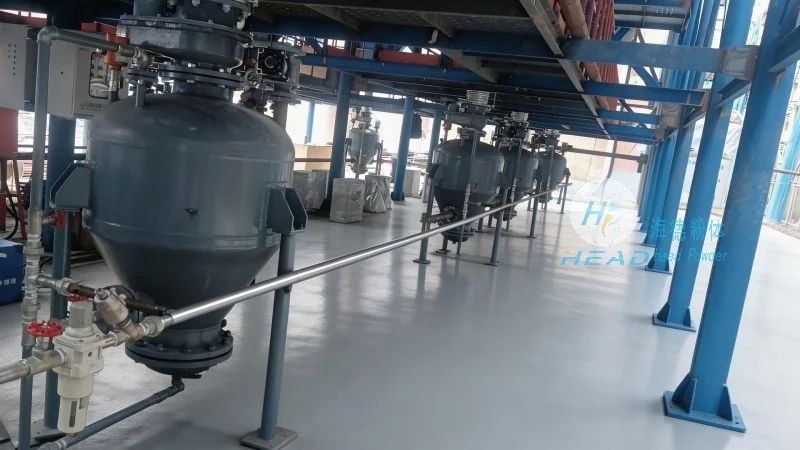
Key Working Scene Characteristics of Cement Clinker Pneumatic Conveying Equipment
When evaluating the working scene characteristics of cement clinker pneumatic conveying machines, several factors emerge as crucial for operational success. Firstly, the system's ability to handle varying material flow rates is essential, as cement clinker production often involves fluctuating output. The design of the equipment must accommodate these variations to maintain consistent performance. Secondly, the system's capacity to manage different particle sizes and moisture content is vital, as clinker can vary in composition. Advanced pneumatic conveying solutions, such as those offered by Shandong HeadPowder Engineering Co., Ltd., incorporate features like adjustable air pressure and specialized hopper designs to address these challenges effectively.
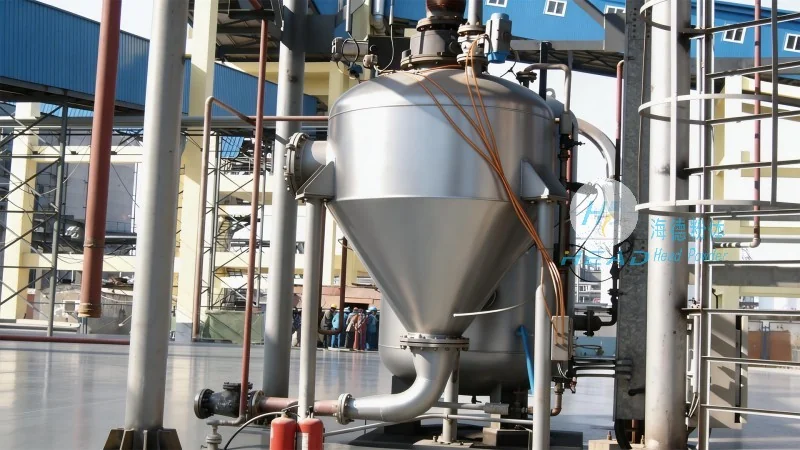
Application Scenarios and Operational Benefits
Cement clinker pneumatic conveying equipment is widely used in various industrial settings, including cement production plants, storage facilities, and distribution centers. The primary benefit of this technology is its ability to minimize material handling time and reduce labor costs. By automating the transport process, companies can enhance overall productivity while maintaining high standards of safety and hygiene. Additionally, pneumatic conveying systems are designed to minimize dust emissions, which is a significant advantage in environments where air quality regulations are stringent. This not only improves workplace conditions but also aligns with environmental compliance requirements.
Technical Advancements and Customization Options
Modern cement clinker pneumatic conveying machines from Shandong HeadPowder Engineering Co., Ltd. incorporate advanced technological features that enhance their performance and adaptability. These include variable speed drives, which allow for precise control of air flow and material transport speed. The company also offers customized solutions tailored to specific client needs, ensuring that the equipment meets the unique requirements of each application. For instance, some systems may include features like cyclone separators to improve material separation and reduce system downtime. Such innovations reflect the company's commitment to providing high-quality, reliable equipment that delivers long-term value to its customers.
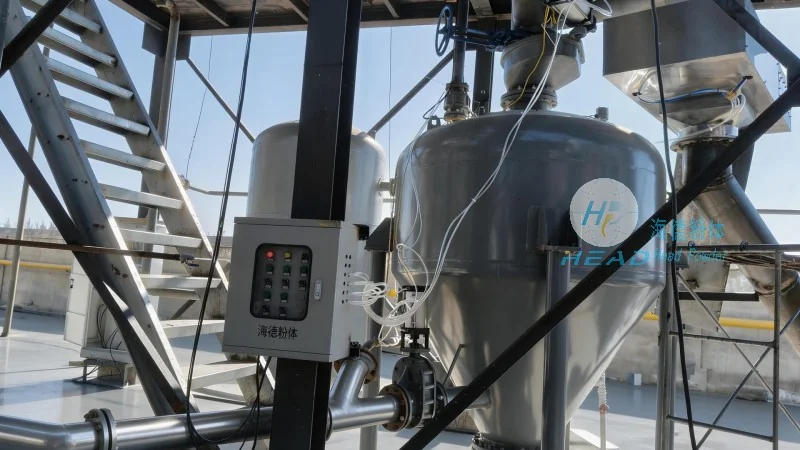
Conclusion: The Role of Pneumatic Conveying in Cement Industry Operations
In conclusion, cement clinker material pneumatic conveying machines represent a sophisticated and efficient solution for material handling in the cement industry. By leveraging the principles of pneumatic transport, these systems offer significant advantages in terms of operational efficiency, safety, and environmental compliance. As a leading manufacturer based in Shandong, China, Shandong HeadPowder Engineering Co., Ltd. continues to innovate and provide tailored solutions that meet the evolving needs of the industry. The working scene characteristics and technical advancements discussed here underscore the importance of selecting the right pneumatic conveying equipment to optimize cement production processes and ensure sustainable operations.