

Principle and Working Scene Characteristics of Denitration Urea Material Pneumatic Conveying Machine
Denitration urea is a critical component in flue gas desulfurization and denitrification processes within power plants and industrial facilities. The efficient handling and transportation of urea, especially in the context of pneumatic conveying systems, is essential for maintaining optimal performance in these applications. This article, produced by Shandong HeadPowder Engineering Co., Ltd., a leading manufacturer based in Shandong, China, explores the principles behind denitration urea material pneumatic conveying machines and highlights the key working scene characteristics that define their operational effectiveness.
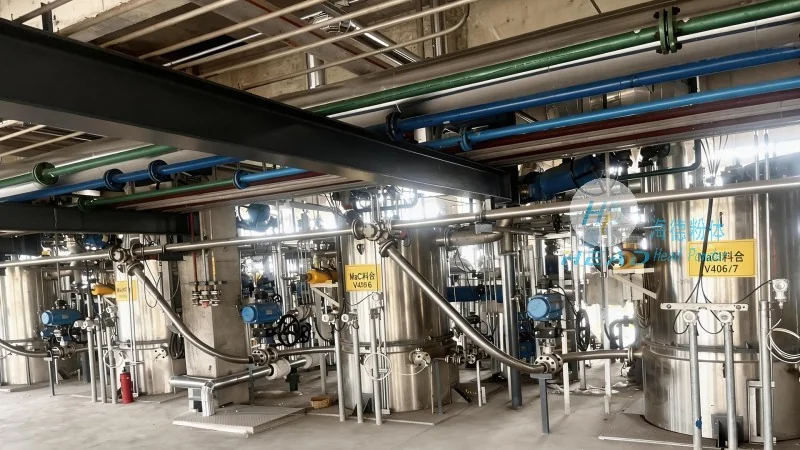
Overview of Denitration Urea Pneumatic Conveying Systems
Denitration urea material pneumatic conveying machines are specialized equipment designed to transport urea granules or powders from storage silos to the injection points in flue gas treatment systems. These systems operate on the principle of air flow, where pressurized or vacuum air is used to move the urea material through a network of pipes and ducts. The core components typically include a feeding device, a conveying pipeline, a control system, and a discharge mechanism. The design of these machines is tailored to handle the specific physical properties of urea, such as its particle size, density, and flow characteristics, ensuring reliable and continuous operation.
Working Scene Characteristics of Pneumatic Conveying Machines
The working scene characteristics of denitration urea pneumatic conveying machines are influenced by several factors, including the application environment, material handling requirements, and operational efficiency. In industrial settings, these machines are often deployed in environments with high ambient temperatures and varying humidity levels. The design of the conveying system must account for these conditions to prevent material degradation or equipment malfunction. For instance, in power plants, the system may need to operate continuously for extended periods, requiring robust construction and reliable control mechanisms to minimize downtime.
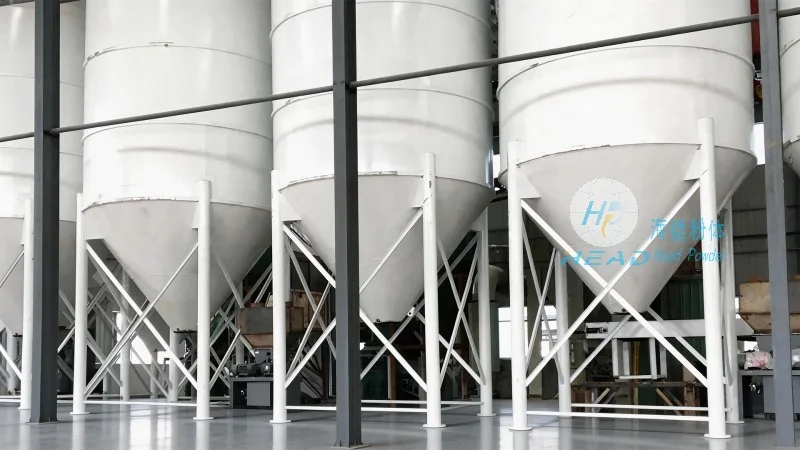
Key Operational Principles
The fundamental principle of pneumatic conveying for urea involves the use of air to create a flow that transports the material. There are two primary modes of operation: pressure conveying and vacuum conveying. Pressure conveying uses a positive pressure air stream to push the urea material through the pipeline, while vacuum conveying employs a negative pressure to draw the material from the source. The choice between these modes depends on factors like the distance between the storage and injection points, the required flow rate, and the material's properties. In denitration applications, pressure conveying is commonly preferred due to its ability to handle longer distances and maintain consistent flow rates, which is crucial for maintaining the efficiency of the flue gas treatment process.
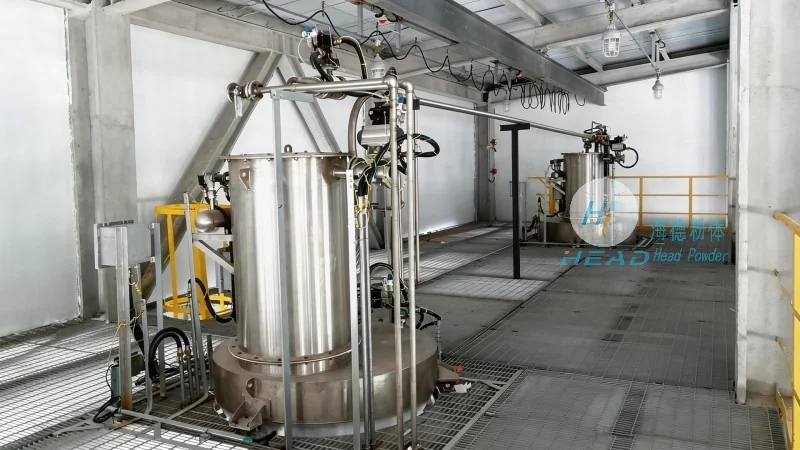
Advantages and Applications
Denitration urea pneumatic conveying machines offer several advantages over traditional mechanical conveying methods. These include reduced material handling costs, improved safety by eliminating manual handling of urea, and enhanced operational flexibility. The systems are particularly suitable for applications where the urea needs to be transported over long distances or through complex piping networks. In power plants, these machines are integral to the selective catalytic reduction (SCR) system, where urea is injected into the flue gas to reduce nitrogen oxide emissions. The reliability and efficiency of the conveying system directly impact the overall performance of the SCR process, making it a critical component in modern power generation and industrial operations.
Technical Considerations for Effective Operation
Effective operation of denitration urea pneumatic conveying machines requires careful consideration of several technical aspects. The selection of the appropriate air pressure and flow rate is essential to ensure that the urea material is transported without clogging or degradation. The design of the feeding device, such as a rotary valve or a screw feeder, must be optimized to provide a consistent flow of urea into the conveying pipeline. Additionally, the material of construction for the pipeline and components must be compatible with urea to prevent corrosion or chemical reactions that could affect the system's performance. Regular maintenance and monitoring of the system are also crucial to ensure long-term reliability and to identify any potential issues before they lead to operational failures.