

Principle and Working Scene Characteristics of Desulfurization and Dust Removal Ash Material Pneumat
Desulfurization and dust removal processes in industrial facilities generate large volumes of ash and dust, which require efficient and reliable handling systems. The pneumatic conveying equipment designed for these materials is a critical component in managing the byproducts of such processes. This article explores the underlying principles of this equipment, its operational mechanisms, and the specific working environments where it is most effectively applied. The focus is on the technology developed by Shandong HeadPowder Engineering Co., Ltd., a leading provider in the field, to address the unique challenges associated with handling desulfurization and dust removal ash.
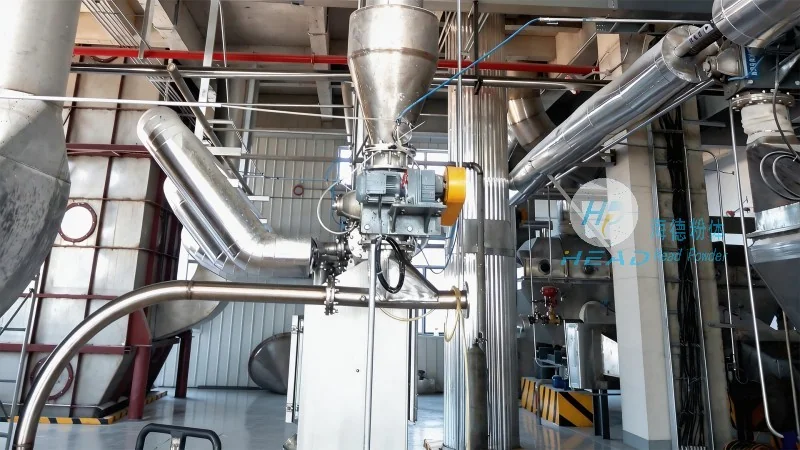
Core Principles of Pneumatic Conveying Systems
The fundamental principle of pneumatic conveying for desulfurization and dust removal ash is the use of air or gas to transport particulate materials through a pipeline. This method, known as pneumatic transport, relies on the creation of a pressure differential to move the material from a source to a destination. The system typically consists of a blower or compressor, a hopper for material storage, a conveying line, and a receiver for the discharged material. The choice of conveying method—whether positive pressure, negative pressure, or a combination—depends on factors such as material characteristics, distance, and system layout. For desulfurization ash, which often has a fine particle size and may be abrasive, the design of the conveying system must consider factors like air velocity, pipeline diameter, and the prevention of material deposition or blockage.
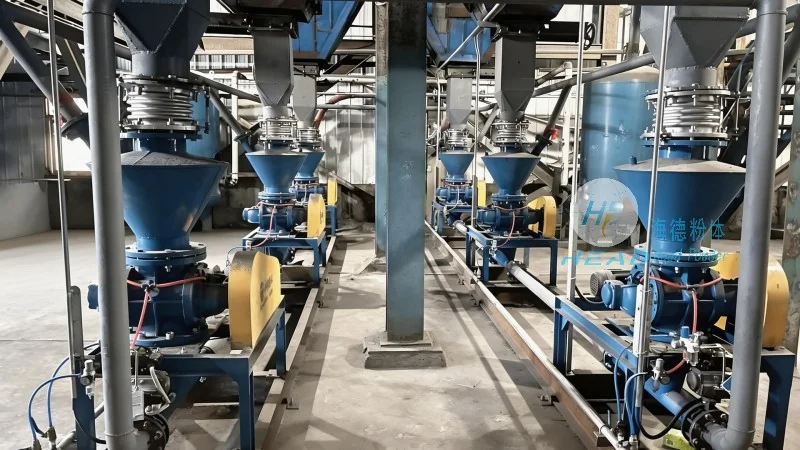
Working Scene Characteristics and Application Environments
The working scene characteristics of pneumatic conveying equipment for desulfurization and dust removal ash are defined by the industrial settings where it is deployed. These environments typically include power plants, thermal power stations, and industrial facilities that employ flue gas desulfurization (FGD) systems. The equipment is designed to operate in environments with varying temperatures and humidity levels, often in conjunction with other pollution control equipment. The key working scene characteristics include the need for continuous operation, high reliability, and the ability to handle large volumes of ash. The equipment is also adapted to handle ash with different moisture contents and particle sizes, ensuring efficient transport without compromising system performance. In these industrial settings, the pneumatic conveying system integrates seamlessly with the overall process, providing a closed-loop solution that minimizes dust emissions and environmental impact.
Technical Features and Advantages of HeadPowder's Equipment
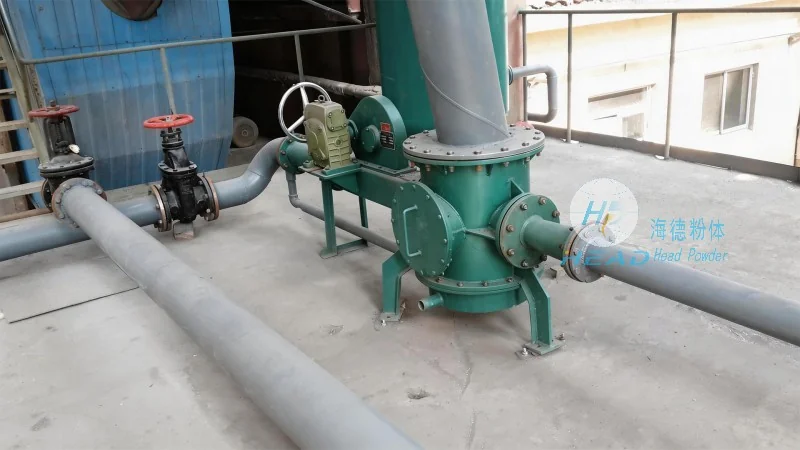
Shandong HeadPowder Engineering Co., Ltd. specializes in the design and manufacturing of pneumatic conveying systems tailored to the demands of desulfurization and dust removal ash. The company's equipment incorporates several technical features that enhance performance and reliability. For instance, the use of high-efficiency blowers ensures consistent air pressure and flow, while the material hopper is equipped with level sensors and feeding mechanisms to maintain a steady material supply. The conveying pipelines are constructed from corrosion-resistant materials, such as stainless steel or special alloys, to withstand the acidic and abrasive nature of the ash. Additionally, the system includes features like automatic cleaning and blockage detection to prevent system downtime. These features contribute to the overall efficiency and longevity of the equipment, making it a preferred choice for industrial facilities seeking reliable ash handling solutions.
Conclusion and Company Information
Pneumatic conveying equipment for desulfurization and dust removal ash plays a vital role in modern industrial operations, enabling the efficient management of byproducts while adhering to environmental regulations. The technology, as exemplified by the solutions from Shandong HeadPowder Engineering Co., Ltd., combines advanced engineering principles with practical application to address the unique challenges of ash handling. By understanding the core principles and working scene characteristics of such systems, industrial facilities can make informed decisions about implementing effective and sustainable ash transport solutions. The company, with its headquarters in Shandong, China, continues to innovate and provide tailored solutions to meet the evolving needs of the industry.