

Operation Process and Working Principle of Metering Bin Pump Pneumatic Conveying
Welcome to Shandong HeadPowder Engineering Co., Ltd., a leading manufacturer specializing in advanced pneumatic conveying solutions. Our core product, the metering bin pump, is designed to provide efficient and reliable material handling for various industrial applications. This article delves into the operation process and working principle of this innovative system, highlighting its key features and benefits.
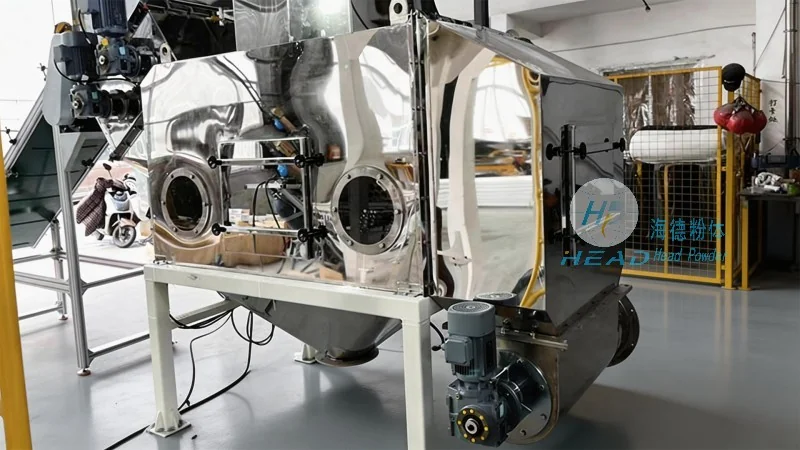
Understanding the Metering Bin Pump System
The metering bin pump is a critical component in modern material handling, particularly for bulk materials such as powders, granules, and fine particles. It operates on the principle of pneumatic conveying, where compressed air or other gases are used to transport materials through a pipeline network. The system is engineered to ensure precise control over material flow, making it ideal for applications requiring accurate dosing and consistent performance.
Key Components of the Metering Bin Pump
The metering bin pump consists of several essential components that work in tandem to achieve efficient material transport. These include the hopper or metering bin, which stores and feeds the material; the airlock or feeder mechanism, which controls the discharge rate; the pump body, which houses the conveying mechanism; and the pipeline system, which transports the material to the destination. Each component is designed with durability and precision in mind, ensuring long-term reliability and minimal maintenance.
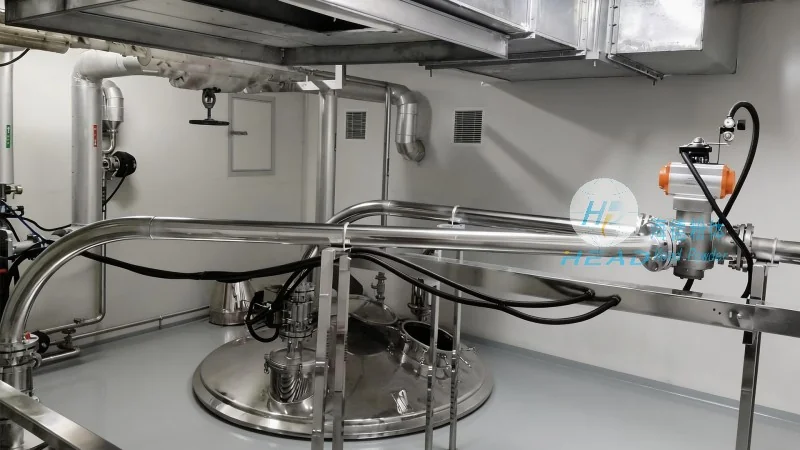
The Operation Process: Step-by-Step
The operation of the metering bin pump follows a systematic process to ensure smooth and controlled material transfer. Initially, the material is loaded into the metering bin. The airlock or feeder then regulates the flow of material into the pump body. Compressed air is introduced into the pump, creating a pressure differential that propels the material through the pipeline. The pump's design allows for precise control over the air pressure and flow rate, enabling accurate metering of the material being conveyed. This process continues until the material is fully transferred to the destination vessel or processing unit.
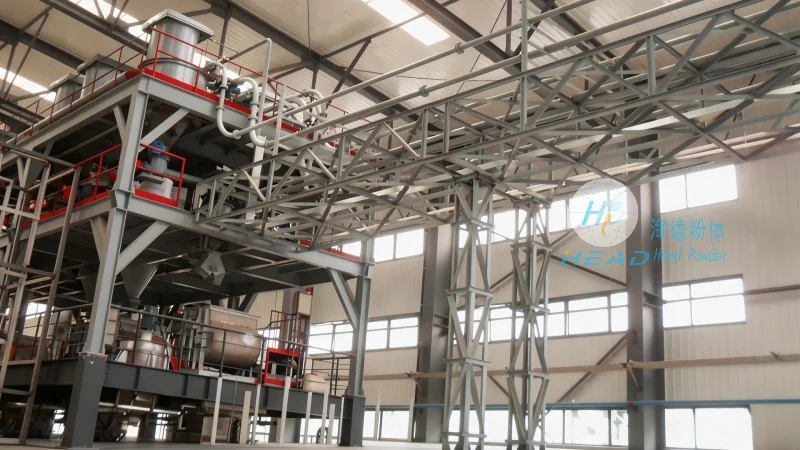
Working Principle: How It Works
The working principle of the metering bin pump is based on the fundamentals of pneumatic conveying. When compressed air is introduced into the pump chamber, it creates a low-pressure environment that draws the material from the metering bin into the pump. The air and material mixture then moves through the pipeline under the pressure of the compressed air. The pump's internal mechanism, such as a diaphragm or piston, helps to maintain consistent flow and pressure, ensuring that the material is conveyed efficiently without clogging or loss. This principle allows for the safe and effective transport of even the most challenging materials, including those that are abrasive or prone to bridging.
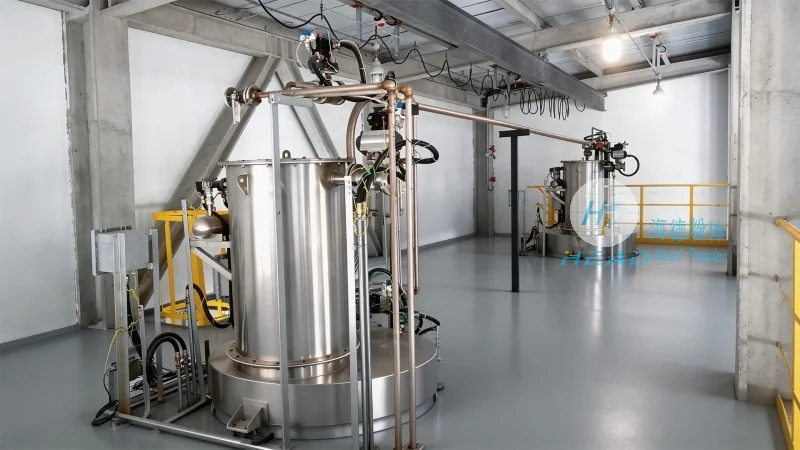
Benefits and Applications
The metering bin pump offers numerous advantages in industrial material handling. Its ability to handle a wide range of materials, from fine powders to bulk granules, makes it versatile for various applications. The precise control over material flow ensures accurate dosing, which is crucial in processes such as chemical manufacturing, food processing, and pharmaceutical production. Additionally, the system is designed for low maintenance and high efficiency, reducing operational costs and downtime. Industries that benefit from this technology include cement, mining, food, and chemical sectors, where reliable and efficient material transport is essential for productivity and quality.
Conclusion
Shandong HeadPowder Engineering Co., Ltd. specializes in providing high-quality metering bin pump systems that meet the demanding requirements of modern industrial operations. By understanding the operation process and working principle of this technology, users can appreciate its efficiency and reliability. The metering bin pump is an essential tool for any facility that requires precise and consistent material handling, ensuring smooth operations and optimal performance.