

Operation Process and Working Principle of Clay Pneumatic Conveying
Clay pneumatic conveying systems are critical in modern material handling, offering efficient and reliable transport solutions for clay materials. Understanding the operation process and working principles of such systems is essential for optimizing performance and ensuring operational efficiency. This article provides a detailed overview of the clay pneumatic conveying process, highlighting the key components, operational steps, and the underlying principles that drive the system's functionality.
Company Introduction: Shandong HeadPowder Engineering Co., Ltd.
HeadPowder, as the company name suggests, specializes in engineering solutions for material handling and processing. With a strong presence in the industry, Shandong HeadPowder Engineering Co., Ltd. has established itself as a trusted provider of pneumatic conveying systems. The company's expertise lies in designing and manufacturing systems tailored to the unique requirements of various industries, including those dealing with clay materials. HeadPowder's commitment to quality and innovation ensures that their clay pneumatic conveying systems meet the highest standards of performance and reliability.
Overview of Clay Pneumatic Conveying Systems
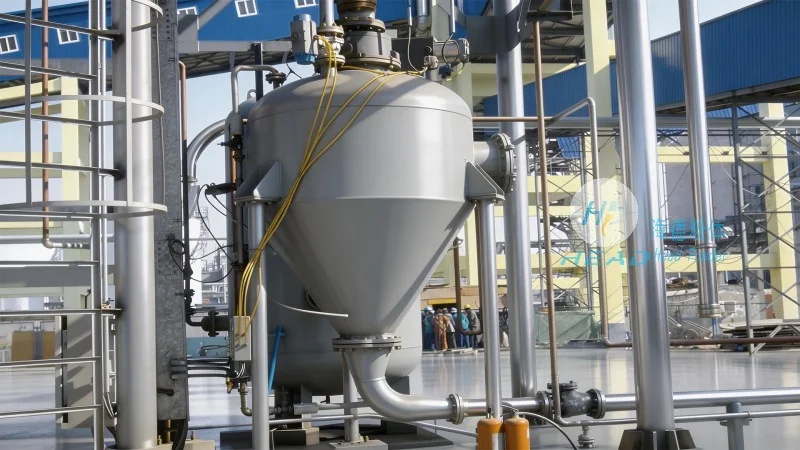
A clay pneumatic conveying system is a type of pneumatic transport system that uses air pressure to move clay particles from one location to another. These systems are widely used in industries such as ceramics, construction, and agriculture, where the transport of clay is a common requirement. The primary advantage of pneumatic conveying over traditional methods like belt conveyors or bucket elevators is its ability to handle fine, dusty materials without the need for additional equipment like hoppers or chutes. This makes it an ideal solution for clay, which can be abrasive and difficult to handle using conventional methods.
Key Components of a Clay Pneumatic Conveying System
The operation of a clay pneumatic conveying system relies on several key components that work in tandem to achieve efficient material transport. The main components include the material feed hopper, the air supply system (usually a blower or compressor), the conveying line (often made of metal or plastic pipes), and the discharge hopper or collection point. Each component plays a crucial role in the overall functionality of the system.
The Material Feed Hopper
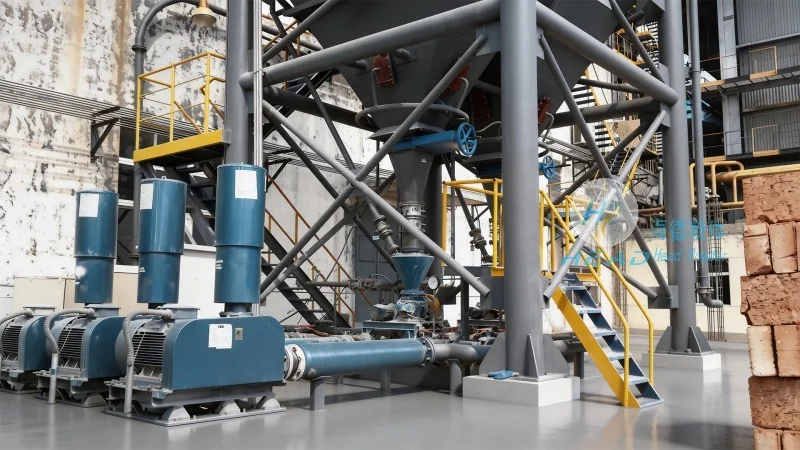
The material feed hopper is the starting point of the clay pneumatic conveying process. It is designed to hold the clay material and provide a controlled feed into the system. The hopper typically features a hopper lid and a discharge valve that allows the clay to be introduced into the conveying line. For clay, which can be cohesive and sticky, the hopper may include features like a vibratory feeder or a rotary valve to ensure consistent and reliable material flow. This component is critical as it determines the uniformity of the material entering the system, which directly impacts the efficiency of the conveying process.
The Air Supply System
The air supply system is the heart of the clay pneumatic conveying system. It generates the necessary air pressure and flow rate to move the clay particles through the conveying line. The system typically consists of a blower or a compressor, which can be either positive displacement or centrifugal types. The choice of the air supply system depends on the specific requirements of the application, such as the distance to be covered and the volume of material to be transported. The blower or compressor is connected to the conveying line and provides the motive force that propels the clay particles forward. The air pressure and flow rate are carefully controlled to ensure that the clay particles are transported efficiently without causing excessive wear on the system components.
The Conveying Line
The conveying line is the main pathway through which the clay particles are transported. It is typically made of metal pipes, such as stainless steel or aluminum, which are resistant to corrosion and abrasion from the clay material. The line may be straight or include bends and elbows to navigate the path from the feed hopper to the discharge point. The diameter of the conveying line is an important factor, as it must be large enough to accommodate the volume of air and clay particles while minimizing pressure drop. The line is also equipped with pressure relief valves and check valves to prevent backflow and ensure safe operation. For long-distance conveying, the line may include intermediate blowers or booster stations to maintain the air pressure and prevent material settling.
The Discharge Hopper or Collection Point
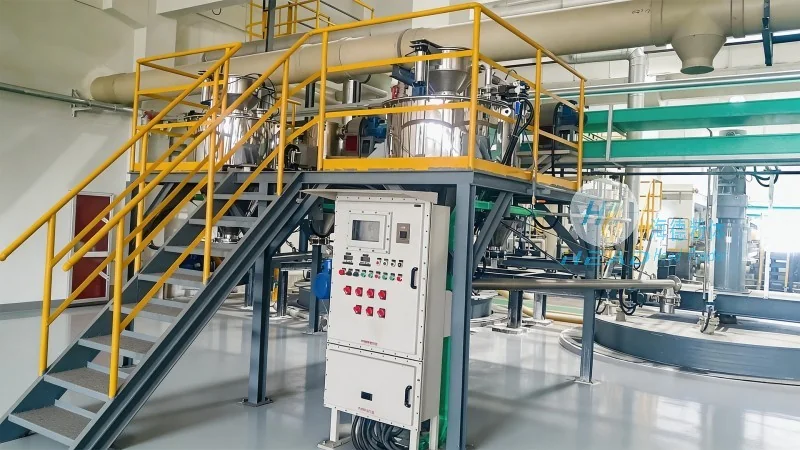
The discharge hopper or collection point is the end of the clay pneumatic conveying system, where the clay material is deposited. It is designed to collect the clay particles and prevent them from escaping or causing dust emissions. The hopper may include a discharge valve or a rotary valve to control the release of the material. For applications where the clay needs to be further processed or stored, the discharge hopper may be connected to a storage silo or a processing unit. The design of the discharge hopper is critical to ensure that the clay is discharged smoothly and without causing blockages or spillage.
Operation Process of Clay Pneumatic Conveying
The operation of a clay pneumatic conveying system involves several sequential steps that ensure the efficient transport of the material. The process begins with the loading of the clay into the material feed hopper. The hopper is then sealed, and the discharge valve is opened, allowing the clay to fall into the conveying line. Simultaneously, the air supply system is activated, and the blower or compressor starts to generate the necessary air pressure. The air flows through the conveying line, creating a low-pressure zone at the discharge end, which draws the clay particles into the line. As the air and clay particles mix, they form a slurry-like mixture that is propelled forward by the air pressure. The mixture travels through the conveying line, passing through any bends or elbows, and reaches the discharge hopper. At the discharge point, the air pressure is reduced, causing the clay particles to separate from the air and fall into the hopper. The air is then released back into the atmosphere or recirculated through the system.
Working Principles of Clay Pneumatic Conveying
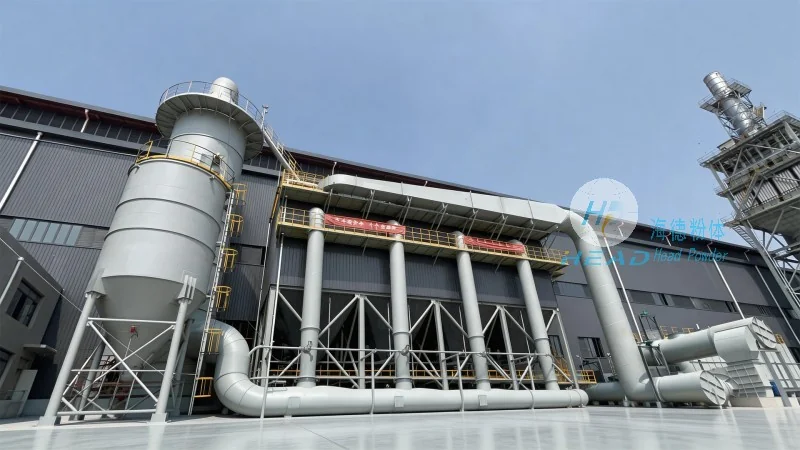
The working principles of a clay pneumatic conveying system are based on the fundamental laws of fluid dynamics and particle transport. The primary principle is the use of air pressure to create a flow of material through the conveying line. The system operates on the principle of differential pressure, where the air pressure at the feed end is higher than at the discharge end, creating a pressure gradient that drives the material forward. The clay particles are suspended in the air stream and transported as a dilute or dense phase flow, depending on the system design and operating conditions. In the dilute phase system, the clay particles are dispersed in the air and travel at high velocities, while in the dense phase system, the particles are more concentrated and travel at lower velocities. The choice between dilute and dense phase depends on the specific requirements of the application, such as the distance to be covered and the material characteristics. The system also relies on the principle of particle size and density, as the clay particles are typically fine and have a relatively low density, which allows them to be easily suspended and transported by the air stream.
Advantages of Clay Pneumatic Conveying Systems
Clay pneumatic conveying systems offer several advantages over traditional material handling methods. One of the key advantages is the ability to handle fine, dusty materials without the need for additional equipment like hoppers or chutes. This reduces the risk of material spillage and dust emissions, making it a more environmentally friendly solution. Another advantage is the flexibility of the system, as it can be easily adapted to different applications and distances. The system can be configured to transport clay over short or long distances, and the components can be modified to suit the specific requirements of the application. Additionally, pneumatic conveying systems are relatively low maintenance, as they have fewer moving parts compared to traditional systems like belt conveyors. This reduces the downtime and maintenance costs, making it a cost-effective solution for clay transport.
Applications of Clay Pneumatic Conveying Systems
Clay pneumatic conveying systems are widely used in various industries that deal with clay materials. In the ceramics industry, these systems are used to transport clay from the storage silos to the processing units, such as mixers and extruders. In the construction industry, they are used to transport clay for brick-making and other building materials. In the agricultural industry, they are used to transport clay for soil conditioning and other applications. The systems are also used in the chemical and pharmaceutical industries, where clay is used as a filler or a filter material. The versatility of the clay pneumatic conveying system makes it an ideal solution for a wide range of applications, from small-scale operations to large industrial plants.