

Operation Process and Working Principle of Rice Bran Pneumatic Conveying
HeadPowder, a leading engineering firm based in Shandong, China, specializes in the design and implementation of advanced pneumatic conveying systems for various bulk materials, including rice bran. This article provides a detailed exploration of the operational process and underlying principles of rice bran pneumatic conveying, highlighting the technical aspects and practical applications of such systems.
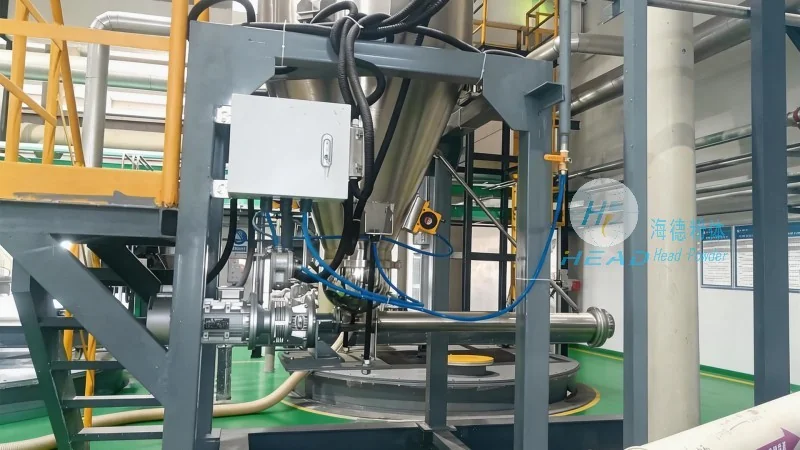
Introduction to Rice Bran Pneumatic Conveying Systems
Rice bran, a byproduct of rice milling, is a valuable material used in food, feed, and industrial applications. Efficient and reliable transportation of rice bran is crucial for optimizing production lines and ensuring product quality. Pneumatic conveying systems offer a solution by using air to transport bulk materials, eliminating the need for mechanical components like belts or buckets. These systems are particularly effective for handling fine, dusty, or sticky materials like rice bran, which can be challenging to convey using traditional methods.
Key Components of a Rice Bran Pneumatic Conveying System
A typical rice bran pneumatic conveying system consists of several key components that work in tandem to ensure smooth material transport. These components include the material hopper, which stores the rice bran; a feeder, such as a rotary valve or screw feeder, that controls the flow rate; a conveying line, often made of metal or plastic pipes; a compressor or blower that generates the air pressure; and a receiver or discharge hopper where the material is deposited. Each component plays a critical role in maintaining the system's efficiency and preventing material degradation or blockages.
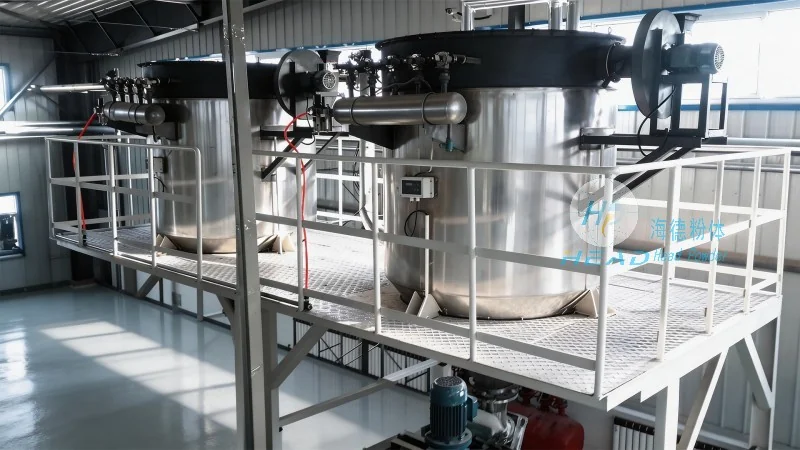
Operation Process of Rice Bran Pneumatic Conveying
The operation of a rice bran pneumatic conveying system involves a sequential process that ensures consistent and controlled material transport. The process begins with the rice bran being loaded into the material hopper. The feeder then regulates the flow of rice bran into the conveying line, ensuring a steady supply of material. Simultaneously, the compressor or blower generates high-pressure air, which is introduced into the conveying line. The air and rice bran mixture travels through the pipe, with the air providing the necessary force to move the material. As the mixture reaches the receiver, the air is separated from the rice bran, typically through a cyclone separator or filter, and the rice bran is collected in the discharge hopper. The separated air is then discharged back into the system or vented to the atmosphere, depending on the system design.
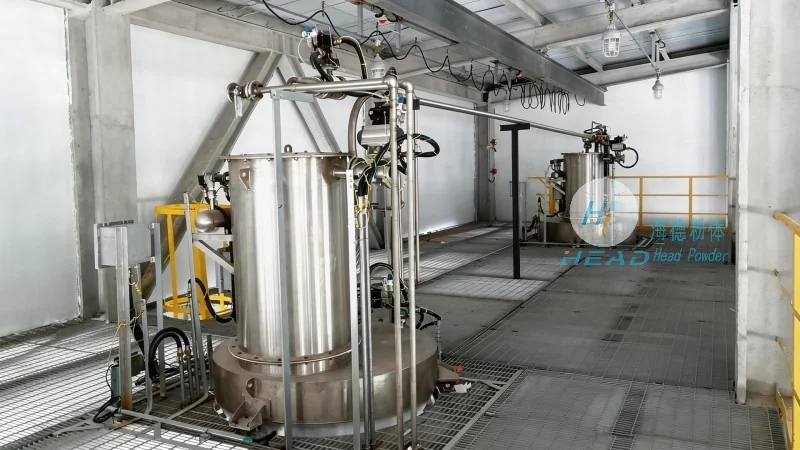
Working Principle of Pneumatic Conveying for Rice Bran
The working principle of pneumatic conveying for rice bran relies on the interaction between the material particles and the air stream. There are two primary modes of pneumatic conveying: dilute phase and dense phase. Dilute phase conveying involves the material being suspended in the air stream as individual particles, which is suitable for long-distance or high-velocity transport. Dense phase conveying, on the other hand, involves the material being transported as a slurry or dense mixture, which is more efficient for short distances or when handling sensitive materials. For rice bran, dilute phase systems are commonly used due to their ability to handle fine particles and maintain material quality. The system operates by creating a pressure differential between the hopper and the receiver, which drives the material along the conveying line. The air pressure is carefully controlled to prevent material degradation, such as caking or agglomeration, which can occur if the air velocity is too low or the pressure is insufficient.
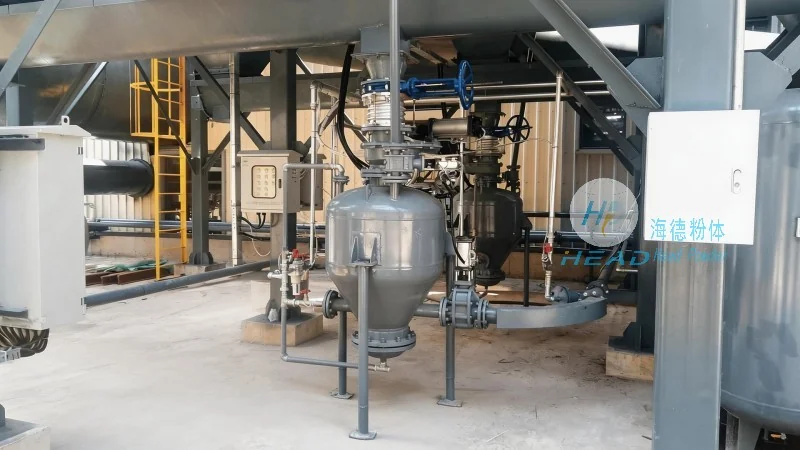
Advantages of Using Pneumatic Conveying for Rice Bran
Implementing a pneumatic conveying system for rice bran offers several advantages over traditional mechanical conveying methods. Firstly, it provides a dust-free and hygienic environment, which is essential for food and feed applications where contamination must be minimized. Secondly, the system is highly efficient in terms of energy consumption and material handling, as it eliminates the need for moving parts that can wear out or cause maintenance issues. Thirdly, pneumatic conveying systems are flexible and can be easily integrated into existing production lines, allowing for adjustments in material flow rates and transport distances. Additionally, these systems can handle a wide range of material properties, including varying moisture content and particle sizes, making them suitable for diverse applications.
Conclusion
In conclusion, the operation process and working principle of rice bran pneumatic conveying systems are critical for ensuring efficient and reliable material transport in industrial settings. By understanding the key components, operational steps, and technical principles involved, manufacturers can optimize their systems to meet specific production requirements and maintain product quality. HeadPowder, with its expertise in engineering and design, offers tailored solutions for rice bran pneumatic conveying, helping clients achieve their operational goals while adhering to industry standards and best practices.