

Operation Process and Working Principle of High-Calcium Pneumatic Conveying
High-calcium pneumatic conveying systems represent a sophisticated method for transporting bulk materials, particularly those with high calcium content, through a pipeline using air as the conveying medium. The operation process and working principles of such systems are critical for ensuring efficient, reliable, and safe material handling in industrial applications. This article delves into the detailed operation process and working principles of high-calcium pneumatic conveying, providing insights into how these systems function and the key components involved.
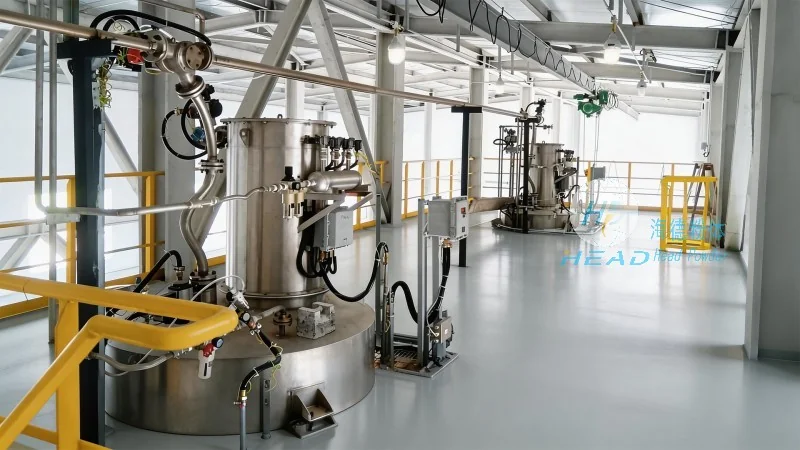
Overview of High-Calcium Pneumatic Conveying Systems
High-calcium pneumatic conveying systems are designed to transport materials like limestone, calcium carbonate, or other high-calcium powders from a source to a destination, such as a storage silo, processing unit, or packaging area. The core principle involves creating a flow of air within a pipeline that lifts and transports the solid particles. These systems are widely used in industries including chemical, food, and pharmaceuticals, where precise control over material flow and dust containment is essential.
Key Components and Their Roles
The operation of a high-calcium pneumatic conveying system relies on several key components, each playing a crucial role in the overall process. The primary components include the material hopper, feeder, air compressor, conveying line, and receiver. The material hopper stores the high-calcium material and feeds it to the system. The feeder, often a rotary or vibratory type, controls the flow rate of the material into the conveying line. The air compressor generates the necessary air pressure to create the conveying airflow. The conveying line, typically made of stainless steel or other corrosion-resistant materials, transports both air and material. The receiver collects the conveyed material at the destination.
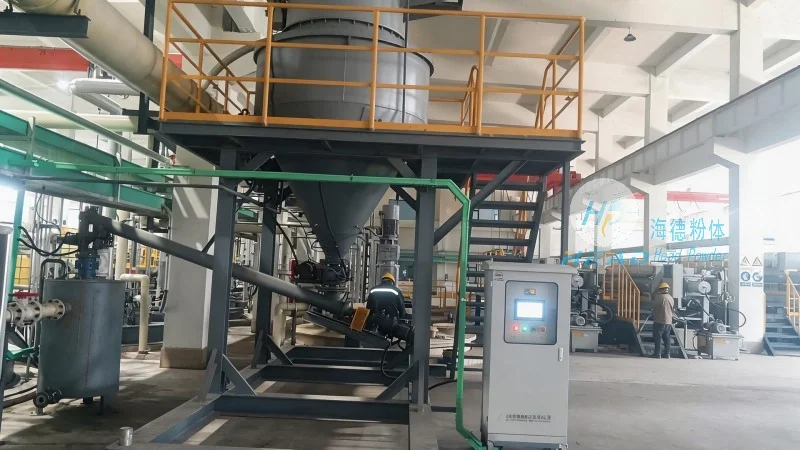
Operation Process: Step-by-Step
The operation process of a high-calcium pneumatic conveying system can be broken down into several sequential steps. First, the material is loaded into the hopper. The feeder then regulates the flow of material into the conveying line. The air compressor starts, and the air is introduced into the line, creating a low-pressure or high-pressure environment depending on the system design. As the air flows, it lifts the material particles, forming a dense or dilute phase flow. The material is then transported through the pipeline to the receiver. At the receiver, the material is discharged, and the air is either filtered and recirculated or vented to the atmosphere. This continuous cycle ensures efficient material transport.
Working Principles: Airflow and Material Transport
The working principle of high-calcium pneumatic conveying is based on the interaction between air and solid particles. In a dilute-phase system, the air velocity is high enough to keep the particles suspended in the air stream, allowing them to travel through the pipeline. The pressure drop along the pipeline is a critical factor, as it determines the air velocity and thus the conveying capacity. In a dense-phase system, the air velocity is lower, and the particles move in a more cohesive manner, reducing the risk of particle degradation and improving material quality. The system's design, including the air pressure, flow rate, and pipeline diameter, is optimized to achieve the desired conveying performance for high-calcium materials.
Advantages of High-Calcium Pneumatic Conveying
High-calcium pneumatic conveying offers several advantages over traditional methods like belt conveyors or bucket elevators. These include reduced material degradation due to minimal mechanical contact, improved dust control through enclosed systems, and the ability to transport materials over long distances with minimal maintenance. The system's flexibility allows for easy integration with other processing equipment, and the ability to handle a wide range of particle sizes and moisture content makes it suitable for various high-calcium applications.
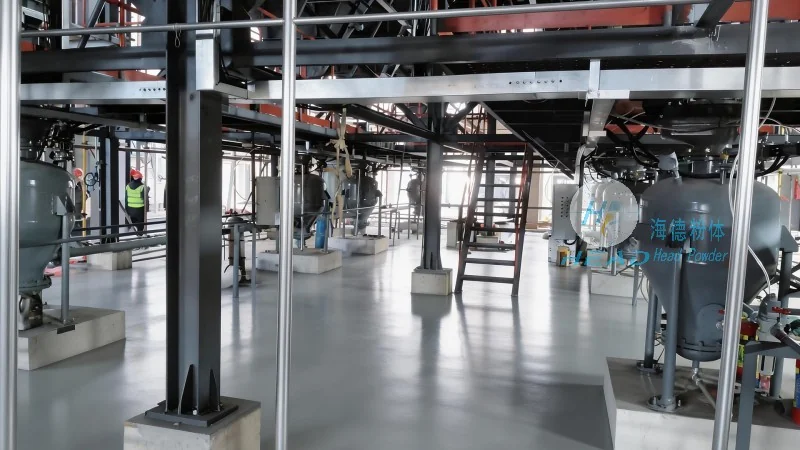
Applications in Industrial Settings
High-calcium pneumatic conveying systems are widely used in industrial settings where high-calcium materials are processed. For example, in the chemical industry, these systems are used to transport calcium carbonate for use in coatings, plastics, and other products. In the food industry, they are employed to handle calcium-rich powders like calcium lactate or calcium carbonate in food supplements. The pharmaceutical industry also utilizes high-calcium pneumatic conveying for transporting raw materials with high calcium content, ensuring compliance with strict quality and safety standards.
Maintenance and Operational Considerations
Proper maintenance is essential to ensure the efficient and reliable operation of high-calcium pneumatic conveying systems. Regular inspection of components such as the feeder, air compressor, and conveying line is necessary to prevent issues like blockages or leaks. The system's air filtration and cleaning systems must be maintained to prevent dust accumulation and ensure air quality. Additionally, monitoring the pressure drop and air flow rate helps in identifying potential problems early, allowing for timely maintenance and reducing downtime. Proper training of operators on the system's operation and safety procedures is also crucial for safe and efficient operation.