

Operation Process and Working Principle of Cassava Pneumatic Conveying
For agricultural processing facilities, especially those handling cassava, efficient material handling is crucial for maintaining production efficiency and product quality. Pneumatic conveying systems offer a reliable solution for transporting cassava from storage to processing units. This article explores the operation process and working principle of cassava pneumatic conveying, highlighting the key components and mechanisms involved in the system. As a leading provider in the field, Shandong HeadPowder Engineering Co., Ltd. specializes in designing and manufacturing advanced pneumatic conveying solutions tailored to the unique needs of cassava processing industries.
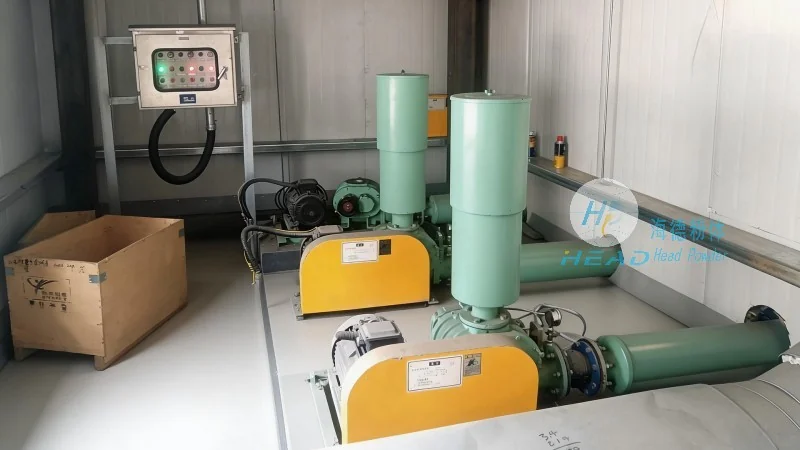
Key Components of a Cassava Pneumatic Conveying System
The cassava pneumatic conveying system typically consists of several essential components that work in tandem to achieve effective material transport. These components include the hopper for material storage, the conveyor pipeline, the air supply system (blowers or compressors), and the control valves. Each component plays a vital role in ensuring the smooth and continuous operation of the system. The hopper is designed to hold a large volume of cassava, providing a consistent feed to the conveyor. The pipeline, often made of durable materials like stainless steel or high-density polyethylene, is responsible for transporting the material and air mixture. The air supply system generates the necessary airflow to move the cassava particles through the pipeline, while the control valves regulate the flow rate and pressure to maintain optimal conveying conditions.
Working Principle of Pneumatic Conveying for Cassava
The working principle of cassava pneumatic conveying is based on the use of air to transport solid particles. There are two main types of pneumatic conveying systems: dilute-phase and dense-phase. Dilute-phase systems use low air-to-material ratios, resulting in a relatively low pressure and high velocity of the air-material mixture. This method is suitable for short to medium conveying distances and is commonly used in cassava processing due to its simplicity and cost-effectiveness. Dense-phase systems, on the other hand, use higher air-to-material ratios, leading to higher pressure and lower velocity. This approach is ideal for longer distances or when handling more delicate materials, as it reduces the risk of material degradation and blockages.
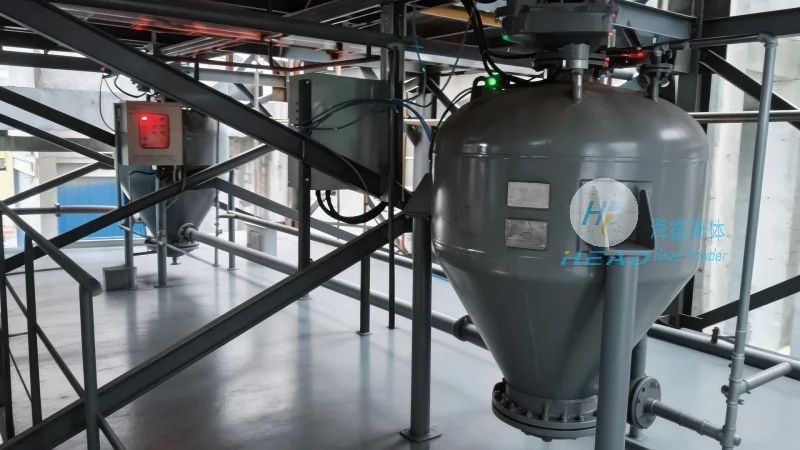
Operation Process of the Cassava Pneumatic Conveying System
The operation process of a cassava pneumatic conveying system involves several sequential steps. First, cassava is fed into the hopper from a storage area. The material is then discharged from the hopper into the conveyor pipeline through a feeder, which controls the flow rate. Simultaneously, the air supply system generates the required airflow, which is introduced into the pipeline at a specific point. The air and cassava particles mix and are propelled forward by the airflow. As the mixture travels through the pipeline, it passes through any necessary control valves or diverters, which adjust the direction or pressure of the flow. The conveying process continues until the material reaches the destination, such as a processing unit or a storage silo. At the end of the pipeline, the air and material are separated, with the air being discharged and the cassava collected for further processing.
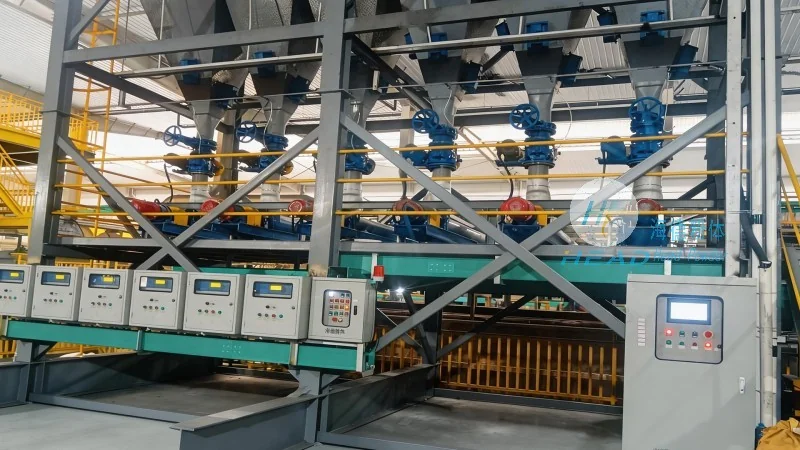
Advantages of Using Pneumatic Conveying for Cassava Handling
Implementing a pneumatic conveying system for cassava handling offers several advantages over traditional methods like belt conveyors or bucket elevators. One of the primary benefits is the ability to transport materials in a closed system, which helps maintain hygiene and prevent contamination from external factors. This is particularly important in food processing industries where product quality and safety are paramount. Additionally, pneumatic conveying systems are more flexible in terms of layout, as they can be installed in various configurations to suit the specific needs of a facility. They also reduce the risk of material spillage and dust generation, contributing to a cleaner and safer working environment. Furthermore, these systems can handle a wide range of cassava particle sizes and moisture contents, making them versatile for different processing stages.
Maintenance and Operational Considerations for Cassava Pneumatic Conveying
To ensure the reliable and efficient operation of a cassava pneumatic conveying system, regular maintenance and proper operational management are essential. The air supply system, including the blowers or compressors, should be checked regularly for proper performance and maintenance. Filters and separators in the system need to be cleaned or replaced as needed to prevent clogging and maintain airflow efficiency. The conveyor pipeline should be inspected for any signs of wear or damage, such as leaks or cracks, which could affect the conveying process. Additionally, the control valves and feeders should be calibrated to ensure consistent material flow and pressure levels. Proper training of operators on the system's operation and maintenance procedures is also crucial to prevent operational issues and extend the system's lifespan.